High-Performance Thermostatic Traps - Advanced Steam Condensate Management Solutions

All Categories

Get a Free Quote

Our representative will contact you soon.
Email
Name
Company Name
Message
0/1000

thermostatic trap

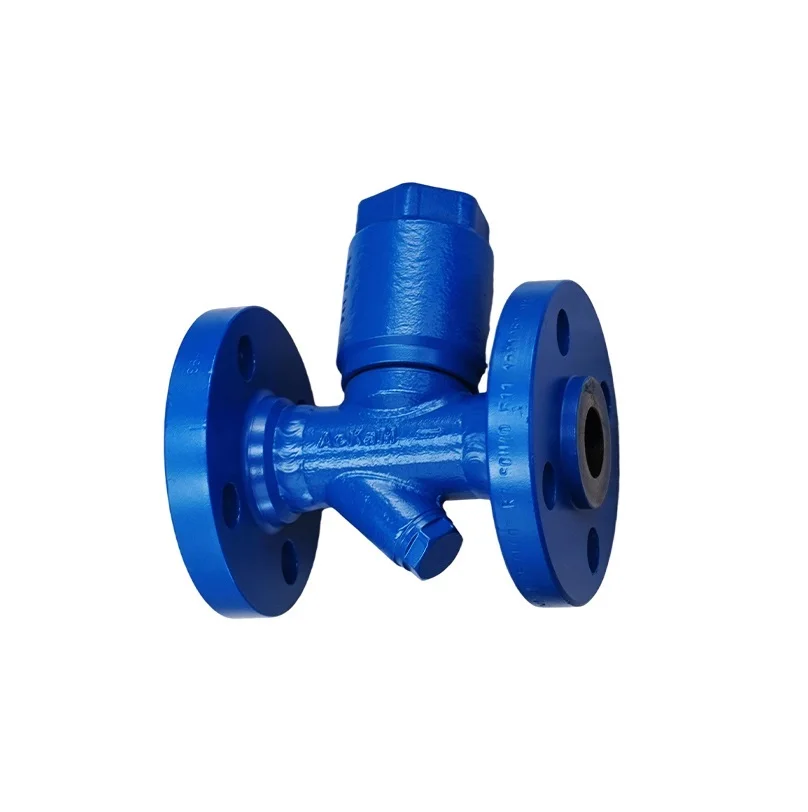
A thermostatic trap represents an essential component in steam systems, designed to automatically discharge condensate while preventing steam loss through intelligent temperature-responsive operation. This sophisticated device operates on the principle of thermal expansion and contraction, utilizing a thermostatic element that responds to temperature variations between steam and condensate. The primary function of a thermostatic trap involves maintaining optimal system efficiency by removing unwanted condensate from steam lines, heating equipment, and distribution networks. The device features a thermostatic element, typically containing a volatile liquid or wax-filled capsule, which expands when exposed to steam temperatures and contracts when cooled by condensate. This mechanical response controls a valve mechanism that opens to discharge condensate and closes to prevent steam escape. Thermostatic traps excel in applications requiring precise temperature control, including heating systems, process equipment, and industrial steam distribution networks. The technology incorporates robust construction materials such as stainless steel or bronze to withstand high-pressure environments and corrosive conditions. Modern thermostatic trap designs integrate advanced sealing mechanisms and durable valve components to ensure long-term reliability. These devices prove particularly effective in systems with varying load conditions, as they respond dynamically to temperature changes throughout the operational cycle. Installation versatility allows thermostatic traps to function effectively in horizontal or vertical orientations, making them suitable for diverse piping configurations. The self-regulating nature of thermostatic traps eliminates the need for external power sources or complex control systems, providing autonomous operation that reduces maintenance requirements and operational costs.

Popular Products

Thermostatic traps deliver exceptional performance benefits that significantly enhance steam system efficiency and operational reliability. These devices provide superior energy conservation by preventing valuable steam from escaping while ensuring complete condensate removal, resulting in reduced heating costs and improved thermal efficiency. The automatic operation of thermostatic traps eliminates manual intervention, reducing labor requirements and minimizing human error in system management. Users experience consistent temperature control throughout their heating systems, as thermostatic traps respond instantly to temperature variations, maintaining optimal heat transfer conditions. The robust construction of these devices ensures extended service life, often operating reliably for years without requiring replacement or major maintenance. Installation simplicity represents another significant advantage, as thermostatic traps require minimal setup time and can be easily integrated into existing steam systems without extensive modifications. The compact design allows installation in confined spaces where other trap types might not fit, providing flexibility in system design and retrofit applications. Thermostatic traps demonstrate excellent performance across wide temperature ranges, adapting to seasonal variations and changing operational demands without performance degradation. These devices offer superior resistance to water hammer and pressure fluctuations, protecting downstream equipment from damage while maintaining consistent operation. The self-cleaning action of thermostatic traps prevents debris accumulation, reducing blockage risks and extending maintenance intervals. Users benefit from reduced system downtime, as thermostatic traps rarely fail catastrophically and typically provide warning signs before complete failure occurs. The precise temperature response of thermostatic traps ensures optimal subcooling of condensate, maximizing heat recovery potential and improving overall system thermal efficiency. Cost-effectiveness becomes apparent through reduced energy consumption, lower maintenance requirements, and extended equipment life, providing excellent return on investment for facility operators.

Latest News

Soaring to New Heights: AcKaM Industrial Surges in Billion-Dollar Market with 200% H1 Sales Growth

04

Nov

Soaring to New Heights: AcKaM Industrial Surges in Billion-Dollar Market with 200% H1 Sales Growth

View More
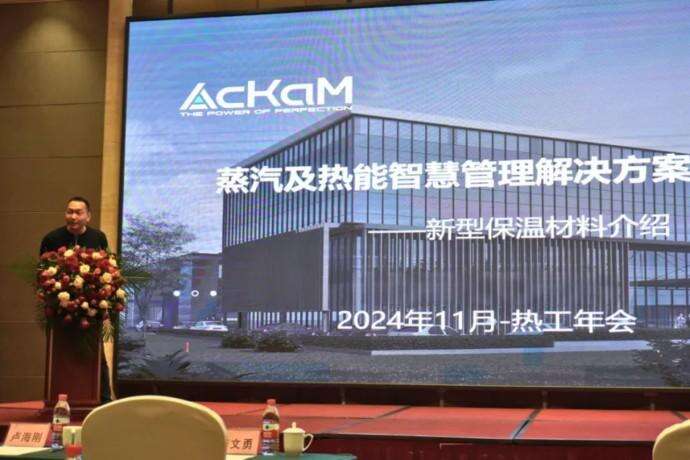
Innovation in Thermal Insulation Technology! AcKaM Delivers Keynote Speech at 2024 National Thermal Engineering Conference

05

Nov

Innovation in Thermal Insulation Technology! AcKaM Delivers Keynote Speech at 2024 National Thermal Engineering Conference

View More
AcKaM: Riding the Trillion-Yuan Wave to Pioneer Innovation

04

Nov

AcKaM: Riding the Trillion-Yuan Wave to Pioneer Innovation

View More

Get a Free Quote

Our representative will contact you soon.
Email
Name
Company Name
Message
0/1000

thermostatic trap

Advanced Temperature-Responsive Technology

Advanced Temperature-Responsive Technology

The thermostatic trap incorporates cutting-edge temperature-responsive technology that sets it apart from conventional condensate removal solutions. This sophisticated system utilizes a precisely calibrated thermostatic element containing specialized materials that respond accurately to temperature variations between steam and condensate. The thermostatic element expands when exposed to steam temperatures, typically around 212°F (100°C), causing the valve mechanism to close and prevent steam loss. Conversely, when condensate at lower temperatures contacts the element, it contracts, opening the valve to discharge the cooled condensate efficiently. This intelligent response mechanism ensures optimal performance across varying operational conditions, adapting automatically to load changes without requiring manual adjustment. The technology provides exceptional sensitivity to temperature differences, typically responding to variations as small as 10-15°F, ensuring precise control over condensate discharge timing. This advanced responsiveness prevents both steam loss and condensate backup, maintaining ideal heat transfer conditions throughout the system. The thermostatic element design incorporates corrosion-resistant materials and protective housings that ensure long-term reliability even in challenging industrial environments. Modern thermostatic traps feature enhanced sealing technologies that prevent internal leakage and maintain accurate temperature response over extended operational periods. The temperature-responsive mechanism operates independently of pressure variations, providing consistent performance regardless of system pressure fluctuations. This technology eliminates the guesswork associated with manual condensate management, providing reliable automated operation that optimizes energy efficiency and reduces operational costs. The precision of the temperature response mechanism ensures that subcooled condensate is discharged at the optimal temperature, maximizing heat recovery potential and improving overall system thermal performance.
Exceptional Durability and Low Maintenance Requirements

Exceptional Durability and Low Maintenance Requirements

Thermostatic traps demonstrate outstanding durability characteristics that significantly reduce maintenance requirements and operational disruptions. The robust construction utilizes premium materials such as stainless steel, bronze, or specialized alloys that resist corrosion, erosion, and thermal stress throughout extended service periods. The thermostatic element itself is engineered for longevity, featuring protective housings and carefully selected fill materials that maintain their responsive properties over thousands of thermal cycles. This exceptional durability translates to service lives often exceeding five to ten years in typical applications, substantially reducing replacement costs and system downtime. The self-cleaning action inherent in thermostatic trap operation prevents debris accumulation and scaling that commonly affects other trap types, eliminating many maintenance issues before they develop. The simple mechanical design incorporates fewer moving parts compared to alternative trap technologies, reducing potential failure points and maintenance complexity. When maintenance is required, thermostatic traps typically provide clear warning signs such as gradual performance degradation rather than sudden failure, allowing planned maintenance scheduling that minimizes operational disruption. The straightforward design enables quick inspection and servicing by standard maintenance personnel without specialized training or equipment. Replacement parts are readily available and easily installed, often requiring only basic tools and minimal system shutdown time. The thermostatic trap design resists damage from water hammer, pressure spikes, and thermal shock that can quickly destroy more delicate trap mechanisms. Field testing demonstrates that properly installed thermostatic traps maintain their performance characteristics even after years of continuous operation in demanding industrial environments. The low maintenance requirements result in reduced labor costs, fewer spare parts inventory requirements, and improved system reliability, making thermostatic traps an economical choice for long-term operation.
Versatile Installation and Superior System Compatibility

Versatile Installation and Superior System Compatibility

Thermostatic traps offer exceptional installation versatility and system compatibility that makes them ideal for diverse steam applications and piping configurations. These devices can be installed in horizontal, vertical, or inclined orientations without performance degradation, providing engineers with maximum flexibility in system design and retrofit applications. The compact footprint of thermostatic traps allows installation in confined spaces where larger trap types cannot fit, making them particularly valuable in crowded mechanical rooms or process areas with space constraints. The universal connection options include threaded, flanged, and socket weld configurations that accommodate various piping systems and installation preferences. Thermostatic traps demonstrate excellent compatibility with different steam pressures, operating effectively from low-pressure heating systems to high-pressure industrial processes without requiring special modifications or accessories. The devices integrate seamlessly with existing steam systems, often serving as direct replacements for failed traps of other types without requiring piping modifications or system redesign. Installation procedures are straightforward and can be completed quickly by standard maintenance personnel, reducing installation costs and system downtime. The thermostatic trap design accommodates thermal expansion and contraction of connected piping without stress or alignment issues that might affect performance. These traps work effectively with various condensate return systems, including gravity return, pumped return, and pressurized return configurations. The superior system compatibility extends to different steam qualities and operating conditions, performing reliably with wet steam, dry steam, and superheated steam applications. Thermostatic traps require minimal auxiliary equipment such as strainers or check valves, simplifying installation and reducing system complexity. The devices can be easily relocated or repositioned during system modifications without losing their calibration or performance characteristics. This exceptional versatility makes thermostatic traps suitable for applications ranging from residential heating systems to large industrial processes, providing consistent performance across diverse operational requirements.

Get a Free Quote

Our representative will contact you soon.
Email
Name
Company Name
Message
0/1000