Intelligent Temperature Control Technology
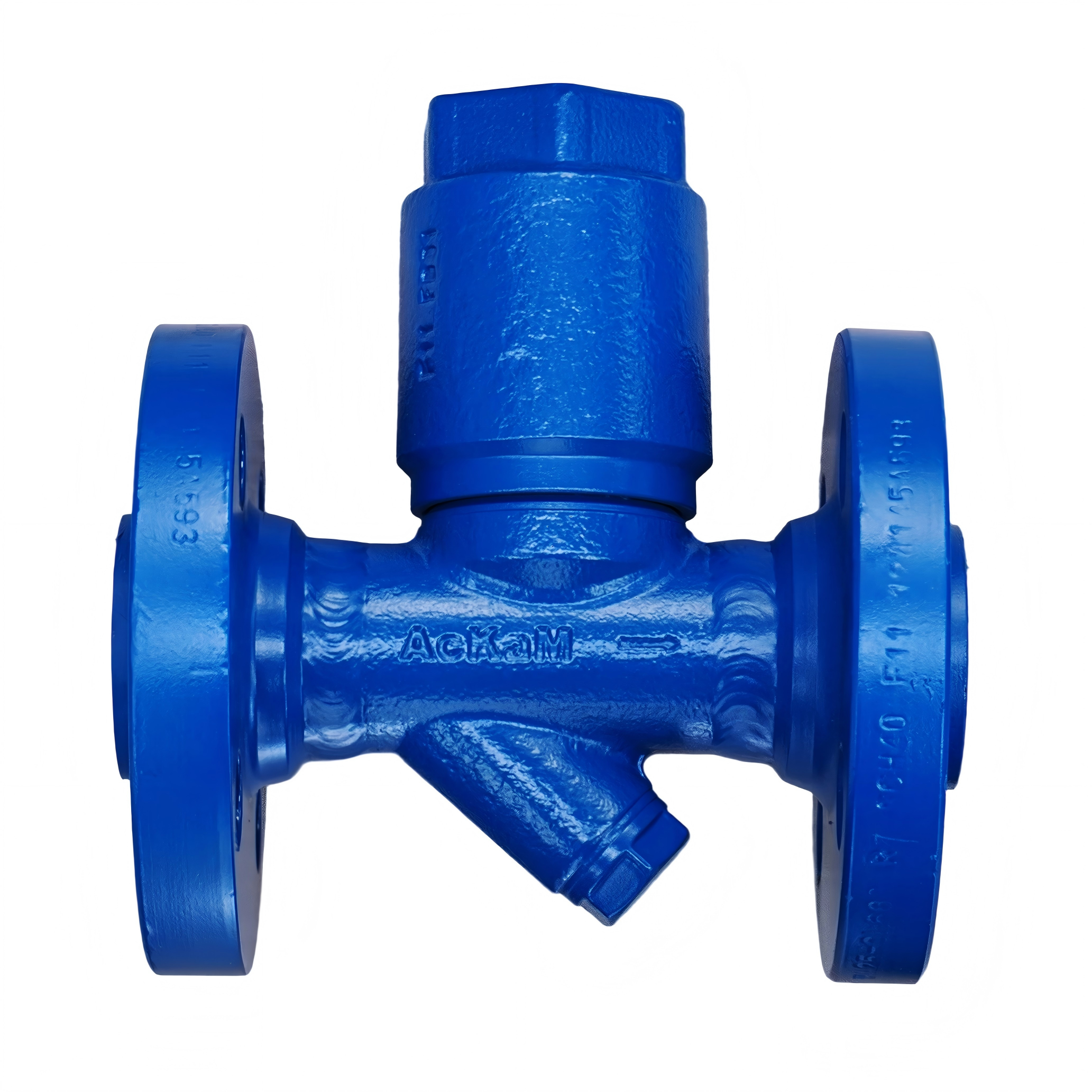
The thermostatic steam valve incorporates cutting-edge temperature sensing technology that delivers unparalleled precision in thermal management applications. This intelligent control system utilizes a specialized thermostatic element filled with temperature-sensitive material that expands and contracts in direct response to ambient temperature changes. The responsive mechanism ensures accurate temperature regulation within tight tolerances, typically maintaining setpoint accuracy within plus or minus two degrees Fahrenheit. This precision level exceeds manual control capabilities and provides consistent performance across varying load conditions. The advanced sensing technology responds rapidly to temperature fluctuations, typically within thirty seconds of temperature change detection, preventing uncomfortable temperature swings and maintaining stable thermal conditions. Unlike electronic control systems that require external power sources and complex programming, the thermostatic steam valve operates purely on mechanical principles, ensuring reliable operation regardless of electrical availability. The self-contained operation eliminates concerns about power failures, control system malfunctions, or communication disruptions that can compromise temperature control in electronically managed systems. The thermostatic element design incorporates materials specifically engineered for steam applications, providing excellent thermal conductivity while resisting corrosion and thermal shock. This specialized construction ensures accurate temperature sensing throughout the valve's operational life, maintaining calibration accuracy without periodic adjustments or recalibration procedures. The intelligent temperature control extends beyond simple on-off operation, providing proportional flow control that matches steam delivery to actual heating requirements. This proportional control eliminates the energy waste associated with bang-bang control systems while maintaining superior comfort levels. The technology adapts automatically to changing load conditions, seasonal variations, and occupancy patterns without requiring manual intervention or system reprogramming. Users benefit from consistent temperature performance that improves comfort, reduces energy consumption, and enhances system reliability across diverse operating conditions.