Float and Thermostatic Steam Trap - Advanced Condensate Management Solution

All Categories

Get a Free Quote

Our representative will contact you soon.
Email
Name
Company Name
Message
0/1000

float and thermostatic steam trap

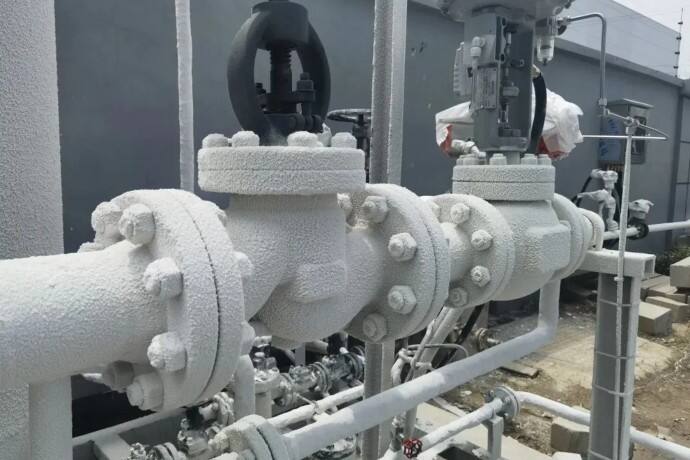
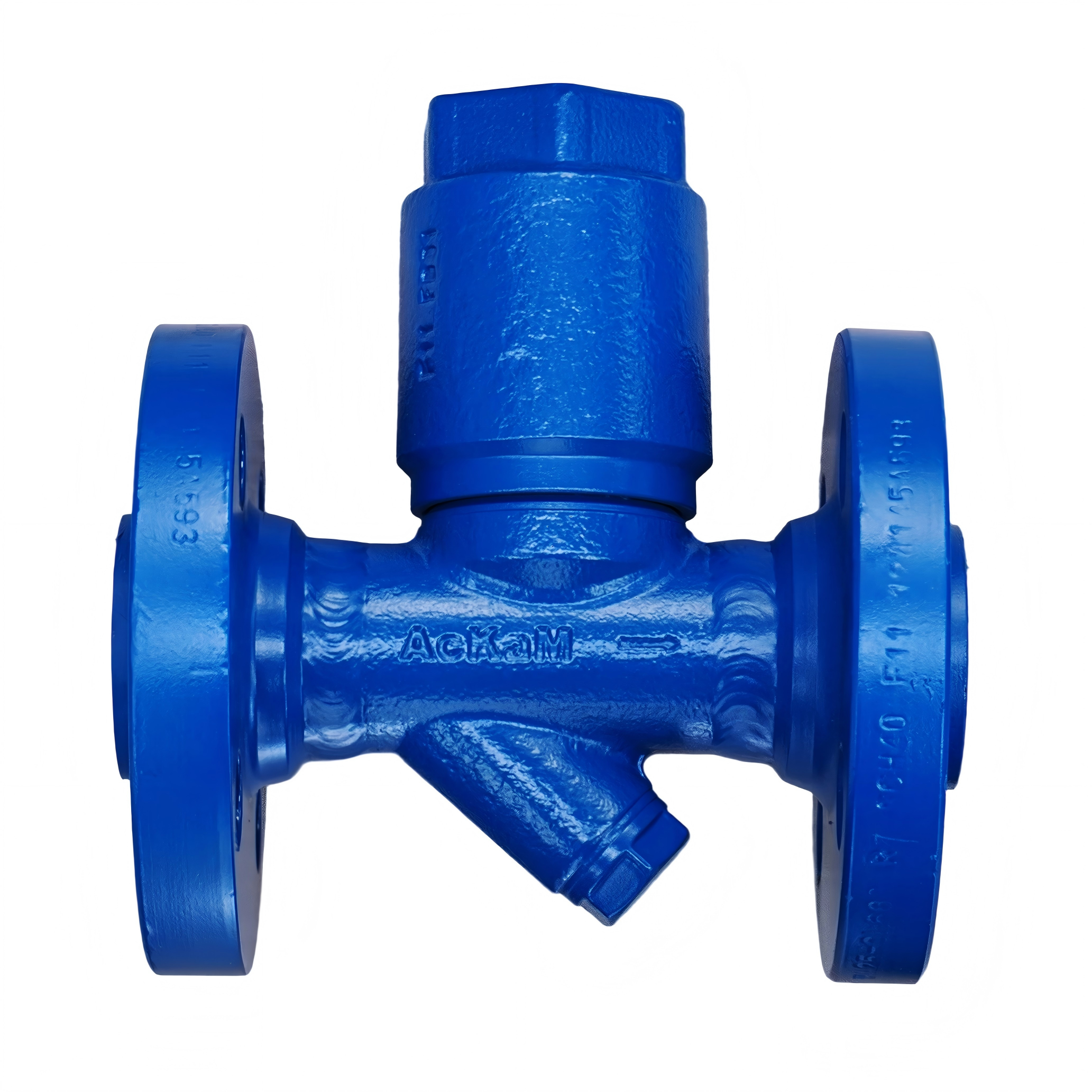
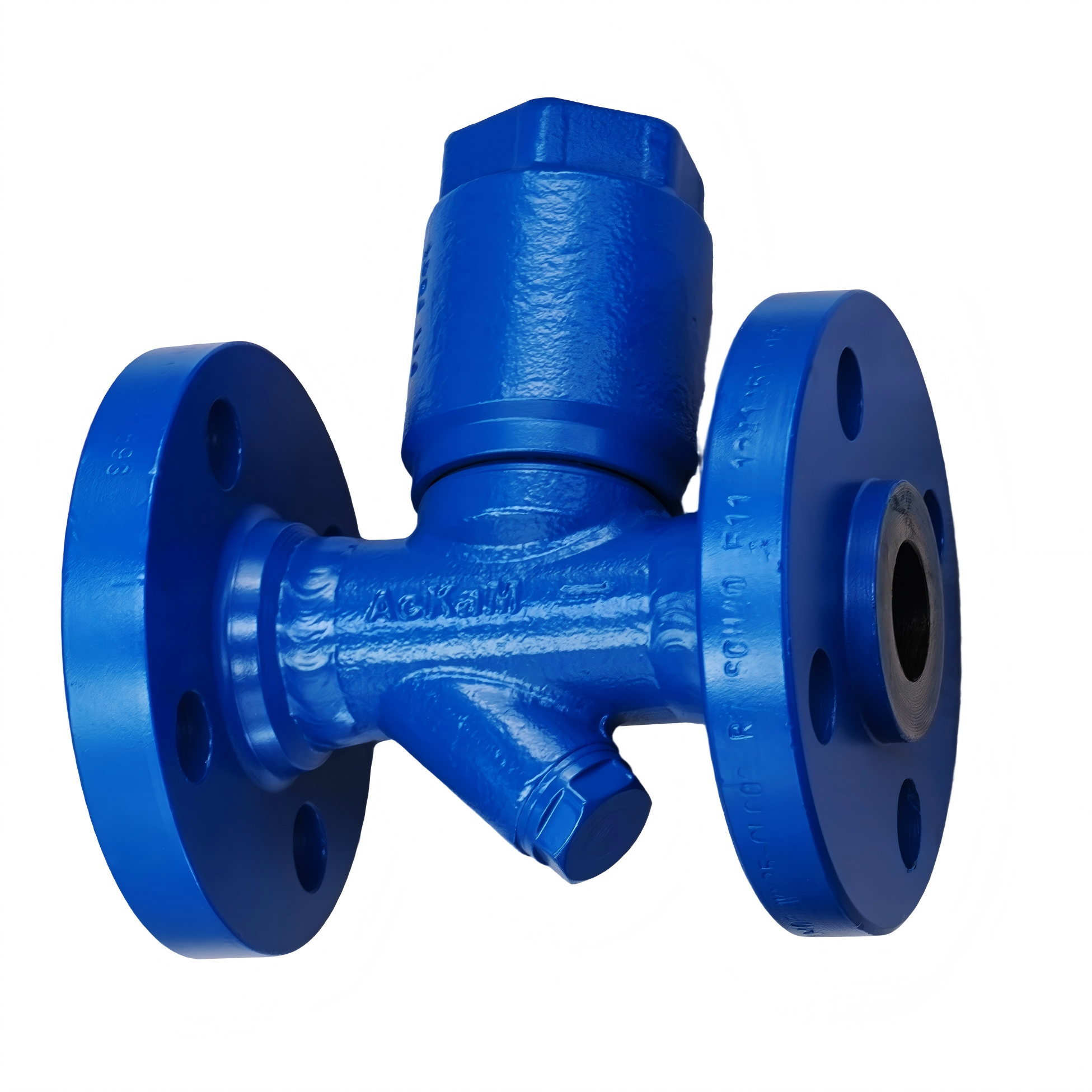
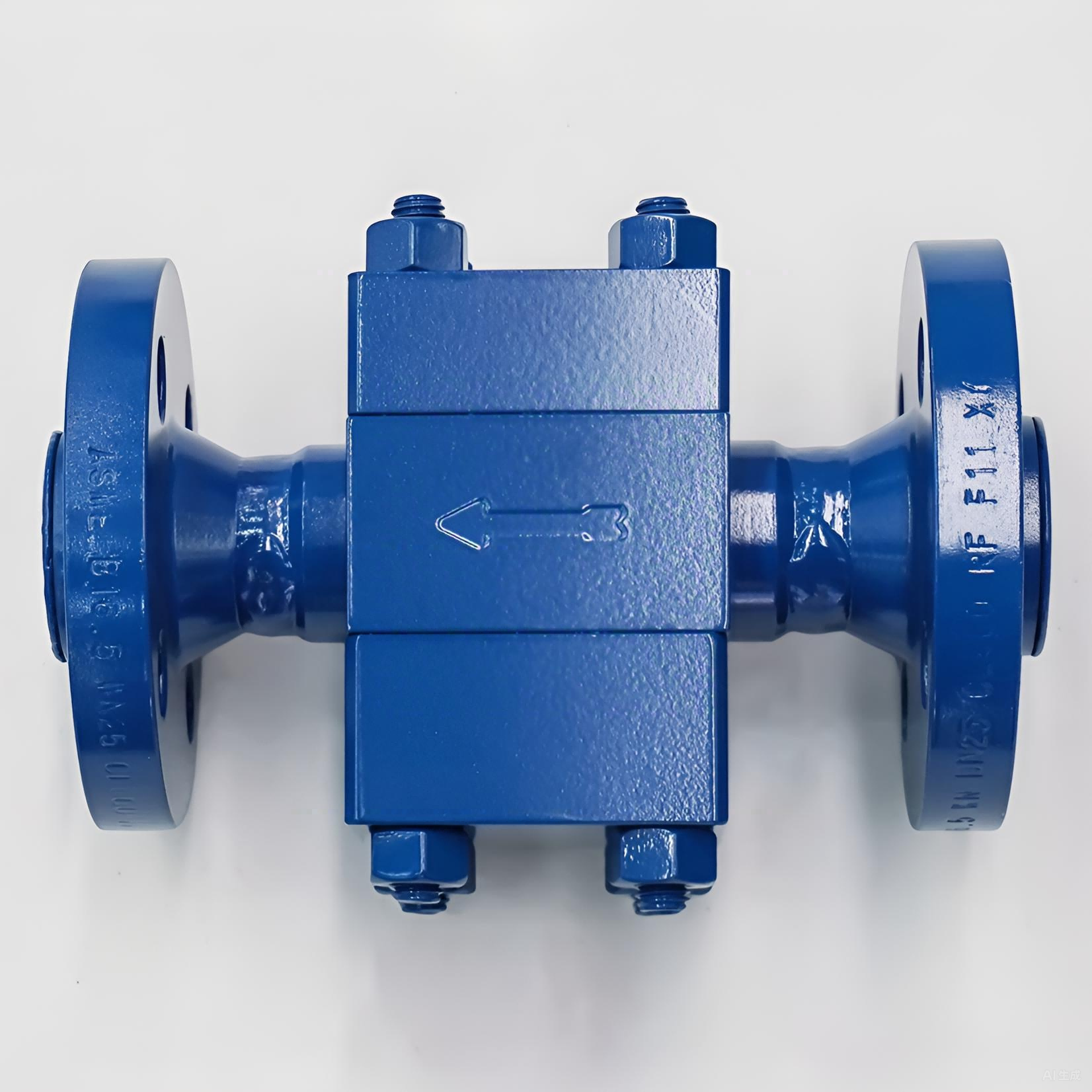
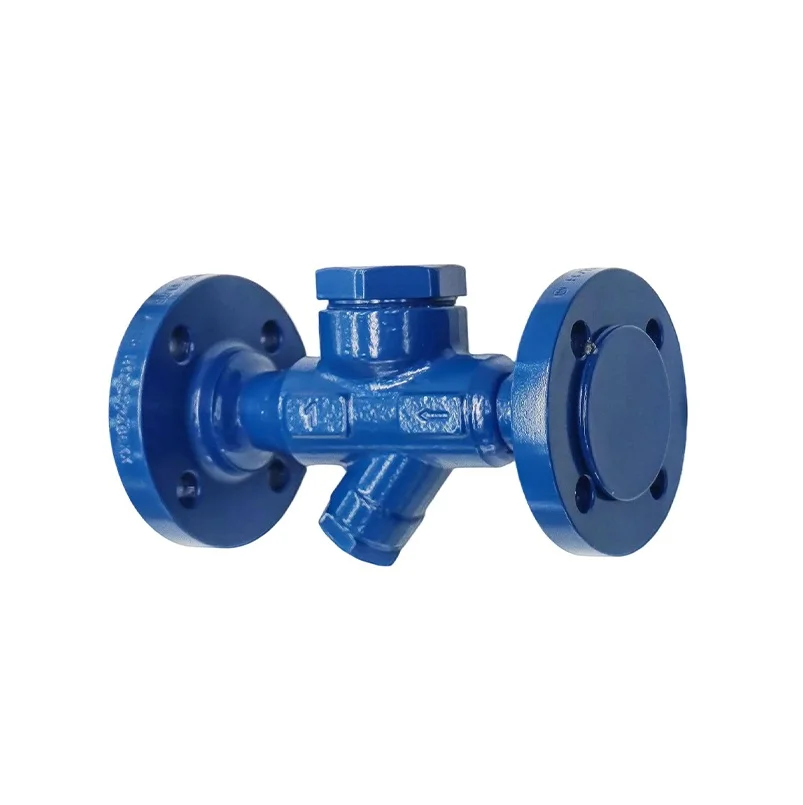
The float and thermostatic steam trap represents a sophisticated engineering solution designed to efficiently manage condensate removal while preventing valuable steam loss in industrial heating systems. This innovative device combines two distinct operating mechanisms within a single robust housing, delivering superior performance across diverse operating conditions. The primary function of the float and thermostatic steam trap centers on automatically discharging condensate water that forms when steam transfers its heat energy to processes or heating applications. Unlike basic mechanical traps, this advanced system integrates a float mechanism for continuous condensate discharge with a thermostatic element that responds to temperature variations, ensuring optimal steam system efficiency. The technological features of the float and thermostatic steam trap include a precisely calibrated float chamber that rises and falls with condensate levels, automatically opening and closing the discharge valve. The thermostatic component utilizes a bellows or bimetallic element that contracts when exposed to saturated steam temperatures and expands when cooler condensate is present. This dual-action design enables the trap to handle varying load conditions effectively while maintaining consistent performance throughout different operational phases. Industrial applications for the float and thermostatic steam trap span numerous sectors including manufacturing facilities, chemical processing plants, food production operations, pharmaceutical manufacturing, and commercial heating systems. These traps excel in applications requiring precise temperature control and efficient energy utilization. The float and thermostatic steam trap proves particularly valuable in process heating applications where maintaining optimal steam quality is critical for product consistency and energy efficiency. Installation flexibility allows these traps to function effectively in horizontal or vertical orientations, accommodating diverse piping configurations and space constraints commonly encountered in industrial environments.


New Products

The float and thermostatic steam trap delivers exceptional operational benefits that directly translate into cost savings and improved system reliability for industrial facilities. Energy efficiency stands as the most significant advantage, as this trap design prevents steam loss while ensuring rapid condensate removal, maintaining optimal heat transfer rates throughout the system. Users typically experience substantial reductions in fuel consumption and energy costs, as the float and thermostatic steam trap maintains steam quality by preventing dilution with condensate water. The continuous discharge capability eliminates the intermittent operation cycles common in other trap designs, resulting in more stable process temperatures and improved product quality control. Maintenance requirements remain minimal due to the robust construction and simple operating principles of the float and thermostatic steam trap. The absence of complex mechanical components reduces wear and tear, extending service life significantly compared to alternative trap technologies. This reliability translates directly into reduced downtime costs and lower maintenance expenses over the equipment lifecycle. The thermostatic element provides automatic air venting during system startup, eliminating the need for separate air vents and reducing installation complexity. This feature ensures faster system heating during cold starts while preventing air binding that can impair heat transfer efficiency. Versatility in application makes the float and thermostatic steam trap suitable for varying load conditions, from light condensate loads during low-demand periods to heavy loads during peak operations. The trap automatically adjusts its discharge rate based on actual condensate formation, optimizing performance without manual intervention. Installation simplicity reduces project costs, as the float and thermostatic steam trap requires minimal piping modifications and can integrate seamlessly into existing steam systems. The compact design accommodates tight spaces while delivering full-size performance capabilities. Corrosion resistance features built into quality float and thermostatic steam trap models ensure longevity even in harsh industrial environments, protecting the investment while maintaining consistent performance standards.

Tips And Tricks

Soaring to New Heights: AcKaM Industrial Surges in Billion-Dollar Market with 200% H1 Sales Growth

04

Nov

Soaring to New Heights: AcKaM Industrial Surges in Billion-Dollar Market with 200% H1 Sales Growth

View More
Innovation in Thermal Insulation Technology! AcKaM Delivers Keynote Speech at 2024 National Thermal Engineering Conference

05

Nov

Innovation in Thermal Insulation Technology! AcKaM Delivers Keynote Speech at 2024 National Thermal Engineering Conference

View More
AcKaM: Riding the Trillion-Yuan Wave to Pioneer Innovation

04

Nov

AcKaM: Riding the Trillion-Yuan Wave to Pioneer Innovation

View More

Get a Free Quote

Our representative will contact you soon.
Email
Name
Company Name
Message
0/1000

float and thermostatic steam trap

Advanced Dual-Mechanism Operation for Superior Performance

Advanced Dual-Mechanism Operation for Superior Performance

The float and thermostatic steam trap distinguishes itself through its innovative dual-mechanism design that combines mechanical float operation with thermostatic temperature response, creating a sophisticated system that outperforms single-mechanism alternatives. The mechanical float component operates continuously, rising and falling with condensate levels to provide immediate discharge response as soon as condensate enters the trap chamber. This instantaneous reaction prevents condensate accumulation that could impair heat transfer efficiency or cause water hammer damage in steam lines. The float mechanism consists of a precisely engineered sphere or cylindrical float connected to a lever arm that actuates the discharge valve, ensuring proportional response to varying condensate loads throughout operational cycles. The thermostatic element complements the float mechanism by responding to temperature variations that indicate the presence of steam versus condensate, providing an additional layer of protection against steam loss. This thermostatic component utilizes advanced materials that expand and contract reliably across thousands of temperature cycles, maintaining calibration accuracy over extended service periods. The integration of these two mechanisms within the float and thermostatic steam trap creates synergistic operation where each component enhances the effectiveness of the other. During system startup, the thermostatic element ensures complete air evacuation while the float remains ready to discharge condensate as soon as formation begins. Under varying load conditions, the float provides immediate condensate handling while the thermostatic element prevents steam breakthrough during low-load periods when temperature differentials might be minimal. This dual-mechanism approach enables the float and thermostatic steam trap to maintain optimal performance across the widest range of operating conditions, from startup through peak demand periods, ensuring consistent energy efficiency and system reliability that translates directly into operational cost savings and improved process control for industrial applications.
Exceptional Energy Efficiency and Cost Reduction

Exceptional Energy Efficiency and Cost Reduction

The float and thermostatic steam trap delivers remarkable energy efficiency improvements that generate substantial cost savings for industrial operations through its ability to maintain optimal steam quality while ensuring complete condensate removal. Energy waste typically occurs in steam systems when traps either allow live steam to escape or permit condensate accumulation that reduces heat transfer effectiveness. The float and thermostatic steam trap addresses both issues simultaneously through its advanced design that prevents steam loss while ensuring immediate condensate discharge. The continuous operation capability eliminates the energy losses associated with intermittent discharge cycles found in other trap designs, maintaining consistent steam temperatures and pressures throughout the distribution system. This steady-state operation results in more efficient heat transfer to processes, reducing the overall steam demand required to maintain target temperatures. Industrial facilities using float and thermostatic steam trap systems typically report energy savings ranging from fifteen to thirty percent compared to conventional trap installations, with savings varying based on system size and operating conditions. The thermostatic component contributes significantly to energy efficiency by ensuring complete air removal during system startup, eliminating the insulating effect of non-condensable gases that can reduce heat transfer rates by up to fifty percent. The rapid air evacuation capability of the float and thermostatic steam trap reduces startup times, minimizing the energy required to bring systems up to operating temperature. Additionally, the prevention of steam loss through the trap mechanism ensures that expensive steam energy reaches its intended destination rather than being wasted through premature discharge. The float mechanism responds immediately to condensate formation, preventing the temperature reduction that occurs when condensate accumulates in heat exchangers or process equipment. This immediate response maintains optimal temperature differentials for heat transfer, maximizing the useful energy extracted from each unit of steam consumed. The cumulative effect of these efficiency improvements makes the float and thermostatic steam trap an excellent investment for facilities seeking to reduce operating costs while improving process performance and environmental sustainability through reduced fuel consumption and emissions.
Unmatched Reliability and Low Maintenance Requirements

Unmatched Reliability and Low Maintenance Requirements

The float and thermostatic steam trap provides exceptional reliability and minimal maintenance requirements that significantly reduce total ownership costs while ensuring consistent operational performance over extended service periods. The robust mechanical design eliminates many common failure points found in other trap technologies, utilizing simple yet effective principles that resist wear and corrosion under demanding industrial conditions. The float mechanism operates without the tight tolerances required by disc or impulse traps, reducing the likelihood of malfunction due to dirt, scale, or debris commonly found in industrial steam systems. The stainless steel or bronze construction typically used in quality float and thermostatic steam trap models provides excellent corrosion resistance, extending service life even in aggressive chemical environments or high-temperature applications. The thermostatic element utilizes proven bellows or bimetallic technology that maintains calibration accuracy through hundreds of thousands of thermal cycles, eliminating the drift problems that affect some electronic or pneumatic control systems. Maintenance procedures for the float and thermostatic steam trap remain straightforward, typically involving only periodic visual inspection and occasional cleaning of the strainer screen if equipped. The accessibility of internal components allows maintenance personnel to service the trap without removing it from the pipeline in many cases, reducing maintenance time and associated production disruptions. The absence of complex adjustment mechanisms eliminates the need for specialized maintenance procedures or frequent recalibration that other trap types might require. Failure modes for the float and thermostatic steam trap are typically gradual rather than sudden, allowing maintenance teams to schedule repairs during planned downtime rather than responding to emergency failures that can disrupt production schedules. The modular design of many float and thermostatic steam trap models enables component replacement without complete unit replacement, reducing spare parts inventory costs and repair expenses. The reliable operation characteristics translate directly into improved system availability and reduced risk of process interruptions, making the float and thermostatic steam trap an excellent choice for critical applications where consistent performance is essential for product quality and operational continuity in industrial manufacturing environments.

Get a Free Quote

Our representative will contact you soon.
Email
Name
Company Name
Message
0/1000