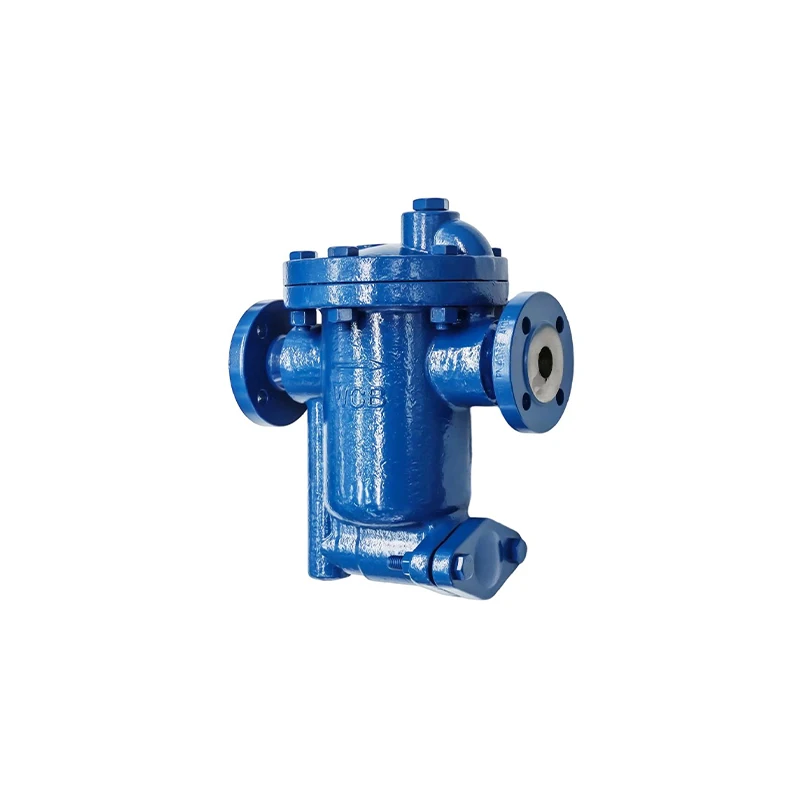
Professional Condensate Collection Station Solutions | Automated Systems & Benefits

All Categories

Get a Free Quote

Our representative will contact you soon.
Email
Name
Company Name
Message
0/1000

condensate collection station

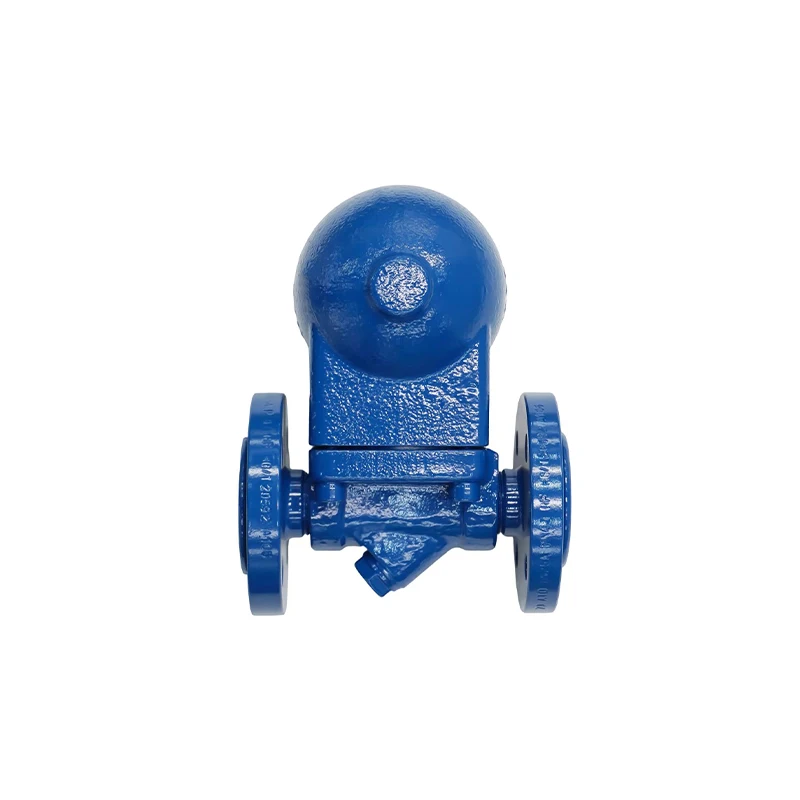
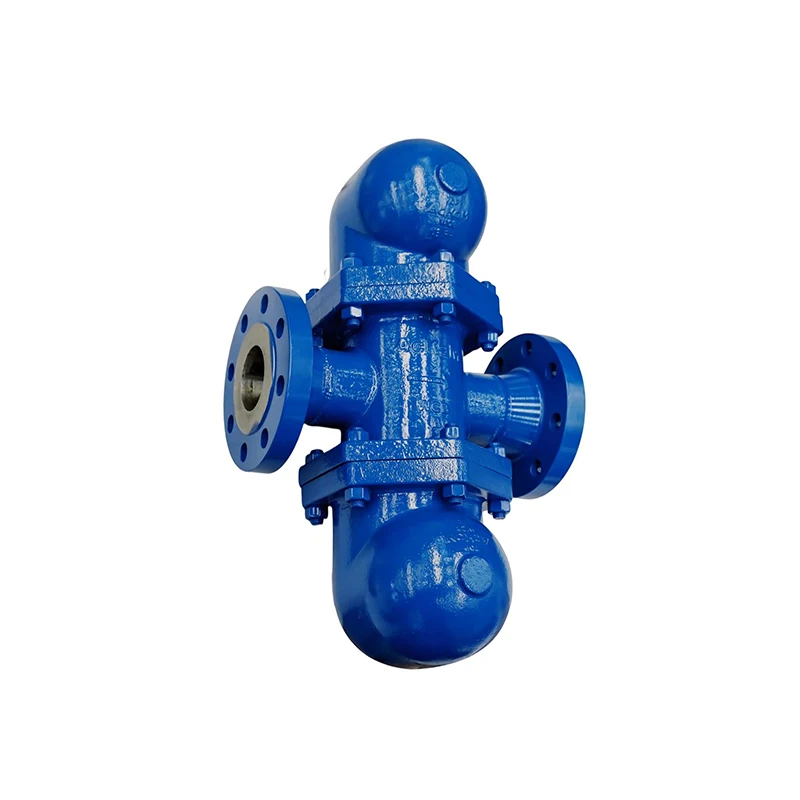
A condensate collection station represents a critical infrastructure component designed to efficiently gather, process, and manage condensed hydrocarbons from natural gas transmission and distribution systems. This sophisticated equipment serves as a centralized hub where natural gas liquids separate from the gas stream through temperature and pressure changes during transportation. The condensate collection station operates by capturing these valuable liquid hydrocarbons that naturally occur when gas flows through pipelines, compression facilities, and processing equipment. The primary function involves systematic collection of condensate through strategically positioned collection points, automated drainage systems, and specialized storage vessels. Modern condensate collection stations incorporate advanced monitoring technologies that continuously track liquid levels, pressure variations, and flow rates to optimize collection efficiency. The technological framework includes automated control systems, remote monitoring capabilities, and safety protocols that ensure reliable operation while minimizing environmental impact. These stations typically feature multiple collection tanks, separation equipment, and transfer pumps that work together to handle varying condensate volumes. The design accommodates different types of condensate compositions, from light hydrocarbon liquids to heavier petroleum products, ensuring versatile processing capabilities. Integration with existing pipeline infrastructure allows seamless operation without disrupting gas flow or system pressure. Applications span across natural gas processing facilities, transmission pipeline systems, distribution networks, and industrial gas operations. The condensate collection station proves essential for upstream oil and gas operations, midstream transportation companies, and downstream processing facilities. Utility companies utilize these systems to maintain pipeline efficiency while capturing valuable byproducts. Industrial facilities with significant natural gas consumption benefit from condensate recovery to reduce waste and generate additional revenue streams. The station's modular design enables customization for specific operational requirements, site conditions, and regulatory compliance standards.
Popular Products

The condensate collection station delivers substantial economic benefits by transforming waste products into valuable revenue streams for operators. Companies can monetize previously lost condensate, creating additional income while reducing operational waste. This revenue generation often justifies the initial investment within months of operation, particularly in high-volume applications. The automated collection process eliminates manual handling requirements, reducing labor costs and improving workplace safety. Operators save significant time and resources compared to traditional manual collection methods that require frequent site visits and physical intervention. Environmental compliance becomes streamlined through controlled collection and proper condensate management, helping companies meet regulatory requirements while avoiding potential fines or penalties. The system prevents condensate from accumulating in pipeline low points, which could cause flow restrictions, corrosion, or operational disruptions. Regular condensate removal maintains optimal pipeline performance, reducing maintenance costs and extending equipment lifespan. Energy efficiency improves as clean pipelines operate with less pressure drop, reducing compression requirements and associated energy consumption. The condensate collection station enhances system reliability by preventing liquid accumulation that could cause pipeline slugging, equipment damage, or safety hazards. Automated monitoring capabilities provide real-time data on system performance, enabling proactive maintenance and preventing costly downtime. Remote access features allow operators to monitor multiple collection points from centralized control rooms, improving operational efficiency and response times. The modular design facilitates easy expansion or relocation as operational needs change, protecting long-term investment value. Quality control mechanisms ensure collected condensate meets specifications for sale or further processing, maximizing product value. Safety systems integrated into the condensate collection station protect personnel and equipment while maintaining regulatory compliance. Reduced environmental footprint results from proper condensate handling, supporting corporate sustainability goals and community relations. The system's robust construction ensures reliable operation in challenging environmental conditions, minimizing weather-related disruptions. Standardized components simplify maintenance procedures and reduce spare parts inventory requirements, lowering total cost of ownership.

Latest News

Soaring to New Heights: AcKaM Industrial Surges in Billion-Dollar Market with 200% H1 Sales Growth

04

Nov

Soaring to New Heights: AcKaM Industrial Surges in Billion-Dollar Market with 200% H1 Sales Growth

View More
Innovation in Thermal Insulation Technology! AcKaM Delivers Keynote Speech at 2024 National Thermal Engineering Conference

05

Nov

Innovation in Thermal Insulation Technology! AcKaM Delivers Keynote Speech at 2024 National Thermal Engineering Conference

View More
AcKaM: Riding the Trillion-Yuan Wave to Pioneer Innovation

04

Nov

AcKaM: Riding the Trillion-Yuan Wave to Pioneer Innovation

View More

Get a Free Quote

Our representative will contact you soon.
Email
Name
Company Name
Message
0/1000

condensate collection station

Advanced Automated Control Systems

Advanced Automated Control Systems

The condensate collection station incorporates state-of-the-art automated control systems that revolutionize traditional condensate management approaches. These sophisticated control mechanisms utilize programmable logic controllers, advanced sensors, and intelligent software algorithms to monitor and manage the entire collection process without human intervention. The automation system continuously monitors liquid levels across multiple collection points, automatically initiating drainage cycles when predetermined thresholds are reached. Smart pressure sensors detect system conditions and adjust collection parameters in real-time, ensuring optimal performance under varying operational conditions. The integrated control platform provides comprehensive data logging capabilities, recording operational parameters, maintenance schedules, and performance metrics for analysis and optimization. Remote monitoring features enable operators to access system status from anywhere, receiving instant alerts about abnormal conditions or maintenance requirements. This connectivity reduces the need for frequent site visits while ensuring prompt response to operational issues. The automated system prevents overfilling conditions that could cause environmental releases or equipment damage, incorporating multiple safety interlocks and redundant monitoring systems. Predictive maintenance algorithms analyze operational data to forecast equipment service needs, enabling proactive maintenance scheduling that minimizes downtime. The control system interfaces seamlessly with existing plant automation systems, providing centralized monitoring and control capabilities. Customizable alarm settings allow operators to define specific conditions that require attention, ensuring appropriate response to critical situations. Historical data analysis capabilities help identify trends and optimize collection schedules for maximum efficiency. The user-friendly interface simplifies operator training and reduces the potential for human error during system operation. Energy management features optimize pump operation and heating systems to minimize power consumption while maintaining effective condensate collection. The robust cybersecurity framework protects against unauthorized access while enabling secure remote connectivity for authorized personnel.
Modular and Scalable Design Architecture

Modular and Scalable Design Architecture

The condensate collection station features innovative modular design architecture that provides unparalleled flexibility for diverse operational requirements and future expansion needs. This engineering approach allows customers to configure systems precisely matching their current capacity requirements while maintaining the ability to expand seamlessly as operations grow. The modular framework consists of standardized components that can be combined in various configurations, reducing manufacturing costs and simplifying installation procedures. Each module undergoes rigorous factory testing before shipment, ensuring reliable performance and reducing on-site commissioning time. The standardized interfaces between modules enable rapid assembly and disassembly, facilitating relocation or reconfiguration as operational needs evolve. Scalability extends from small single-point collection systems to large multi-station networks handling thousands of gallons per day. The design accommodates various condensate types and compositions, with specialized modules for different applications such as sweet gas, sour gas, or high-pressure systems. Modular construction simplifies transportation to remote locations, with components sized for standard shipping methods and equipment access limitations. Installation flexibility allows adaptation to existing infrastructure without major modifications, reducing project costs and implementation time. The plug-and-play connectivity between modules minimizes field wiring and reduces installation errors, ensuring faster project completion. Maintenance accessibility is enhanced through modular design, with individual components easily removable for service without affecting system operation. Spare parts inventory is simplified through standardized components used across multiple modules, reducing warehouse requirements and costs. Future technology upgrades can be implemented through module replacement rather than complete system overhaul, protecting long-term investment value. The modular approach enables phased implementation for large projects, allowing operators to start with essential components and expand systematically. Quality control is improved through factory assembly and testing of complete modules under controlled conditions. Site preparation requirements are minimized through standardized foundation designs and utility connections, reducing civil construction costs and environmental impact.
Enhanced Safety and Environmental Protection

Enhanced Safety and Environmental Protection

The condensate collection station prioritizes safety and environmental protection through comprehensive design features that exceed industry standards and regulatory requirements. Multiple containment systems prevent accidental releases, with primary and secondary containment barriers designed to handle maximum capacity plus emergency scenarios. The robust leak detection system incorporates multiple monitoring technologies including visual indicators, electronic sensors, and automatic shutdown mechanisms that respond immediately to any breach in system integrity. Explosion-proof electrical components and intrinsically safe instrumentation ensure safe operation in potentially hazardous atmospheres where flammable vapors may be present. The advanced ventilation system maintains safe atmospheric conditions around collection equipment, preventing vapor accumulation that could create safety hazards. Fire suppression systems integrate with local emergency response protocols, providing both automatic activation and manual override capabilities for maximum protection. Grounding and bonding systems eliminate static electricity buildup that could ignite flammable vapors during condensate handling operations. The corrosion-resistant materials and protective coatings ensure long-term structural integrity even in harsh environmental conditions, preventing equipment failure that could compromise safety. Comprehensive safety interlocks prevent unsafe operating conditions, automatically shutting down systems when parameters exceed safe limits or when maintenance access is required. Emergency shutdown capabilities can be activated remotely or locally, providing multiple options for rapid system isolation during emergency situations. Environmental monitoring systems track air quality and detect any releases, enabling prompt corrective action to minimize environmental impact. The closed-loop design minimizes vapor emissions during normal operation, supporting air quality compliance and reducing environmental footprint. Spill prevention measures include drip pans, containment sumps, and automated isolation valves that prevent minor leaks from becoming major incidents. Regular safety inspections and maintenance protocols are built into the system design, with automated reminders and documentation systems ensuring compliance with safety regulations. Training programs and operational procedures are developed specifically for each installation, ensuring operators understand proper safety protocols and emergency response procedures. The system design facilitates safe maintenance operations through proper isolation procedures, confined space protocols, and equipment lockout capabilities that protect maintenance personnel.

Get a Free Quote

Our representative will contact you soon.
Email
Name
Company Name
Message
0/1000