Inverted Bucket Type Steam Trap: Superior Steam Conservation and Reliable Condensate Removal Solutions

All Categories

Get a Free Quote

Our representative will contact you soon.
Email
Name
Company Name
Message
0/1000

inverted bucket type steam trap

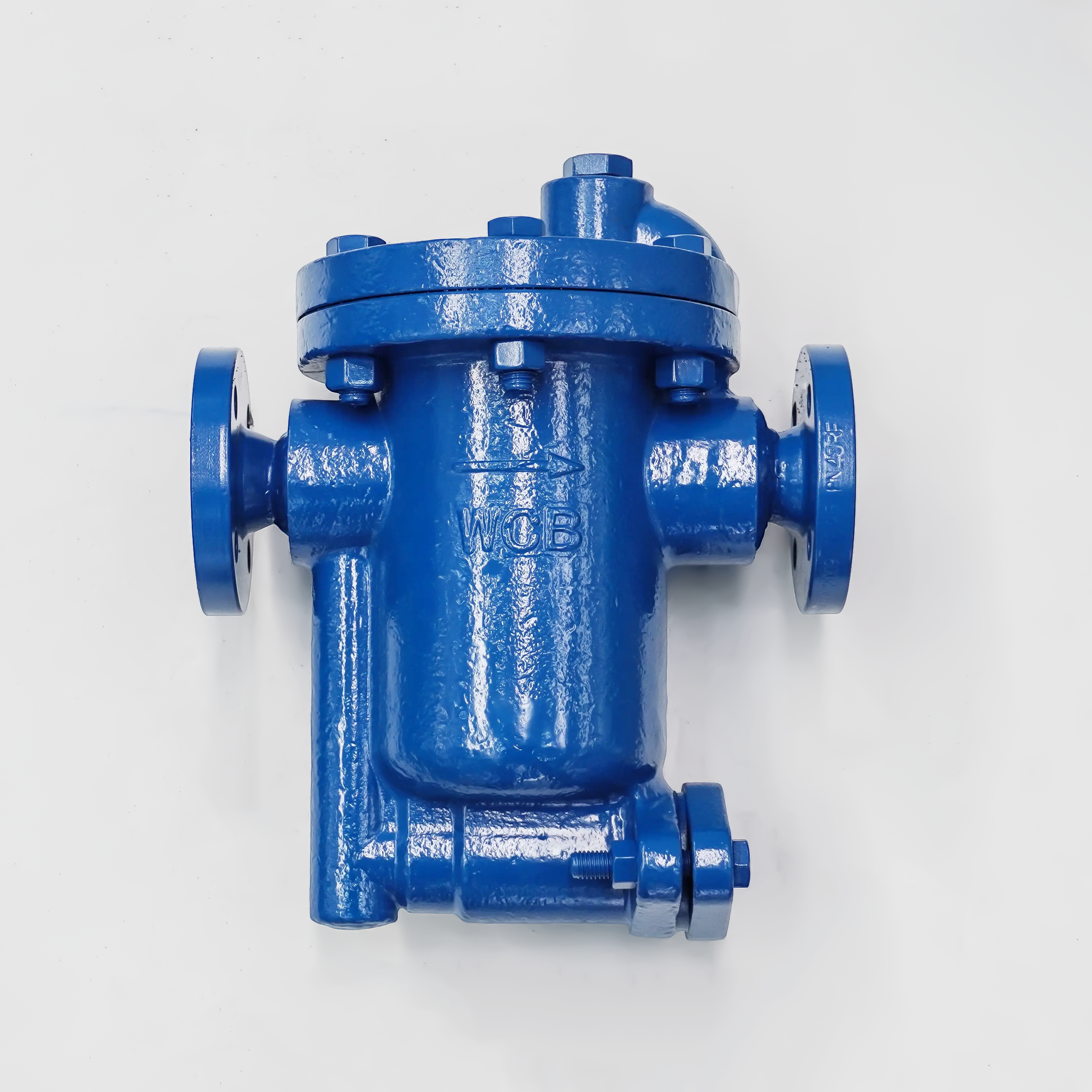
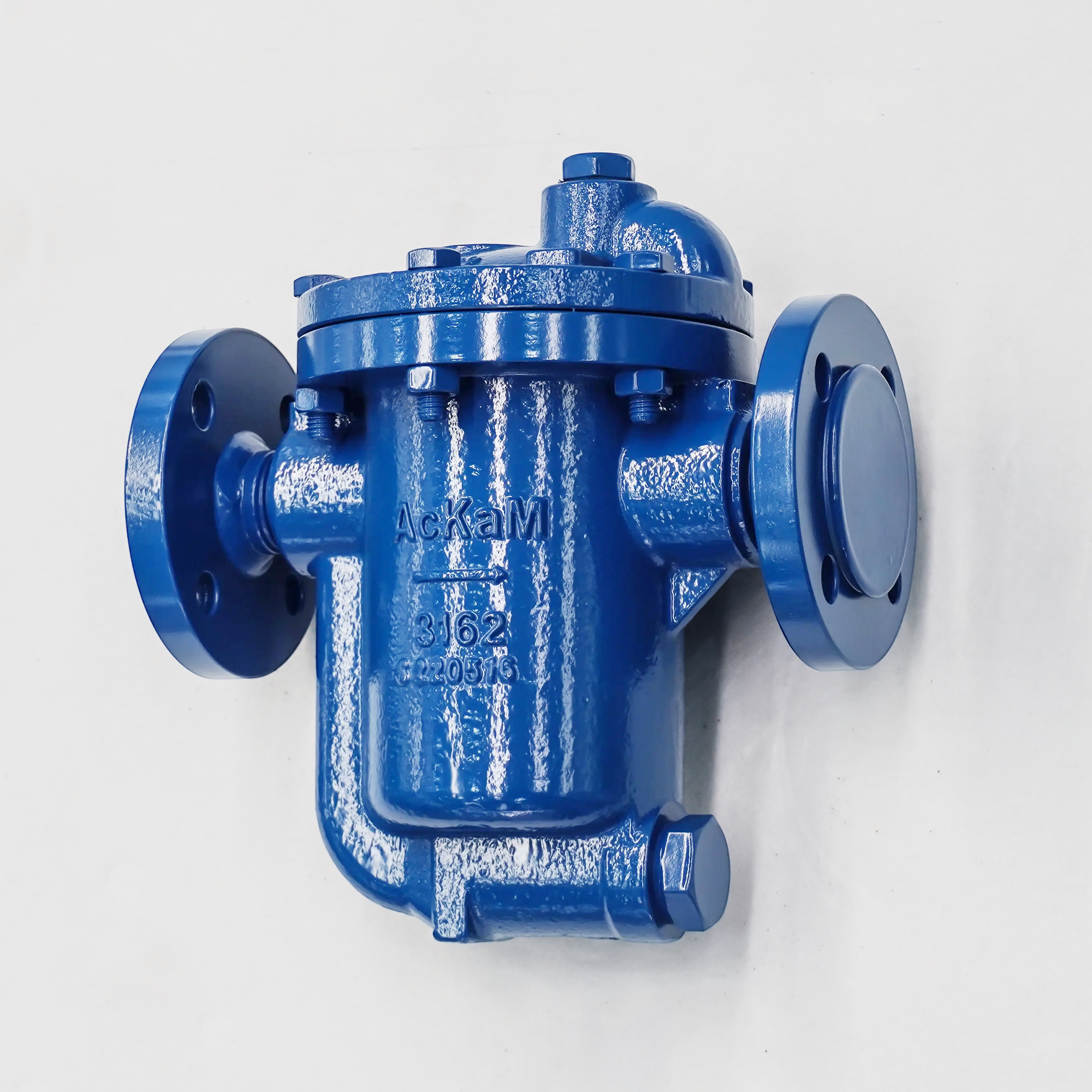
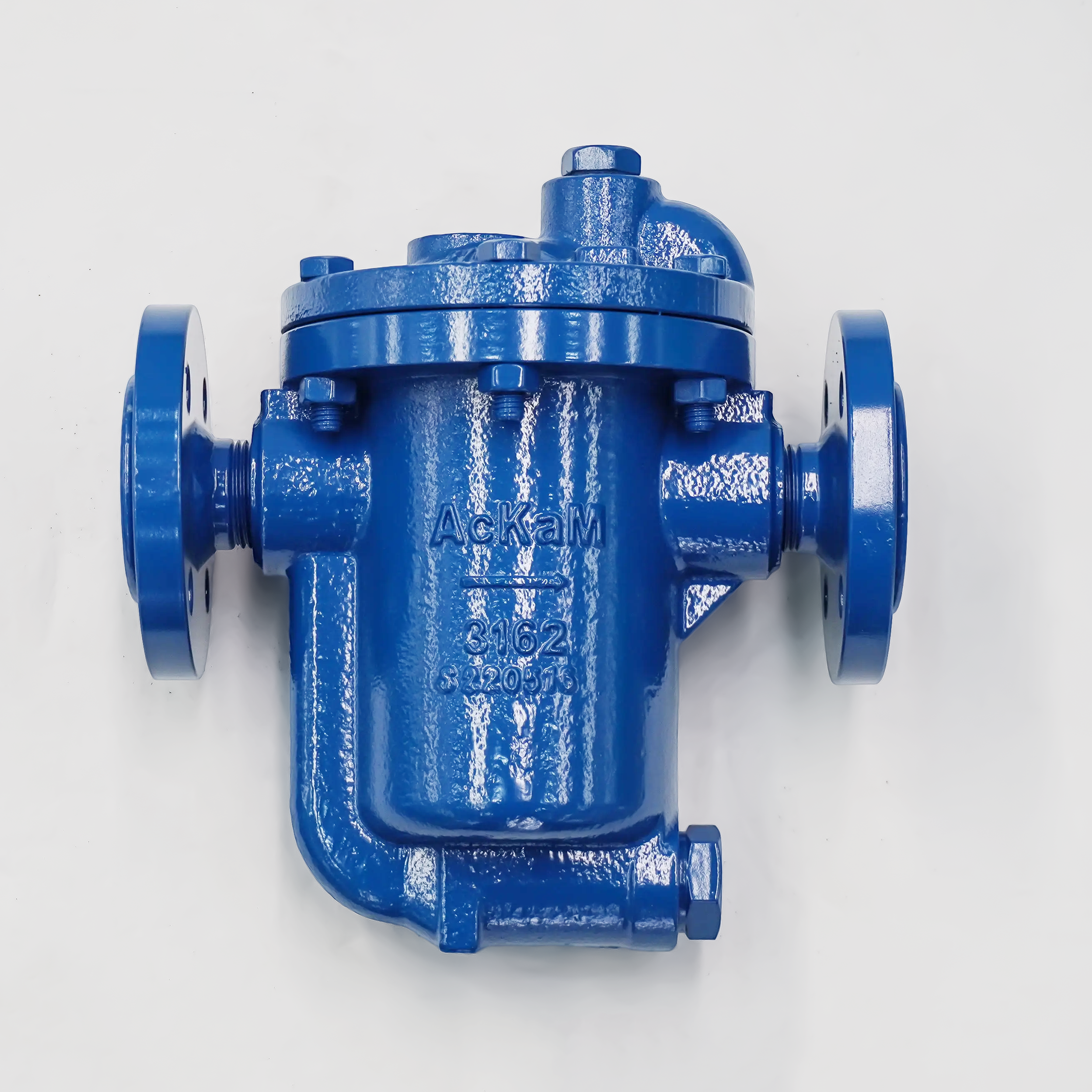
The inverted bucket type steam trap represents a sophisticated mechanical solution designed to efficiently remove condensate from steam systems while preventing valuable steam loss. This innovative device operates on a simple yet effective principle that leverages the density difference between steam and condensate water. At its core, the inverted bucket type steam trap consists of a specially designed inverted bucket mechanism that responds to the presence of steam or condensate within the trap body. When condensate enters the trap, it fills the chamber and causes the lightweight inverted bucket to float, which opens the discharge valve and allows condensate to flow out of the system. Conversely, when steam enters the trap, it becomes trapped under the inverted bucket, causing the bucket to rise and close the discharge valve, effectively preventing steam escape. The technological features of this steam trap design include robust construction materials that withstand high temperatures and pressures, precise manufacturing tolerances that ensure reliable operation, and a self-regulating mechanism that requires minimal maintenance intervention. The inverted bucket type steam trap incorporates advanced engineering principles to deliver consistent performance across varying operating conditions. Its applications span numerous industrial sectors including power generation facilities, chemical processing plants, food and beverage manufacturing operations, pharmaceutical production environments, and HVAC systems in commercial buildings. The versatility of the inverted bucket type steam trap makes it particularly valuable in applications where reliable condensate removal is critical for maintaining system efficiency and preventing equipment damage. These traps excel in handling varying condensate loads and can effectively manage both light and heavy condensate flows while maintaining excellent steam retention capabilities throughout their operational lifecycle.

Popular Products

The inverted bucket type steam trap delivers exceptional operational benefits that directly translate into cost savings and improved system performance for industrial facilities. This advanced steam management solution provides superior steam retention capabilities, ensuring that valuable steam remains within the system to maximize heat transfer efficiency. Unlike other trap designs that may experience steam loss during operation, the inverted bucket type steam trap maintains a tight seal when steam is present, dramatically reducing energy waste and lowering operational costs. The mechanical simplicity of this design eliminates the need for complex electronic controls or external power sources, making it inherently reliable and suitable for harsh industrial environments. Maintenance requirements are minimal due to the robust construction and self-cleaning action of the inverted bucket mechanism, which prevents debris accumulation and ensures consistent operation over extended periods. The trap handles varying condensate loads effectively, automatically adjusting its discharge rate based on actual system conditions without manual intervention. This adaptive capability ensures optimal performance across different operating scenarios, from startup conditions with heavy condensate loads to steady-state operations with lighter flows. The inverted bucket type steam trap demonstrates exceptional durability in high-pressure and high-temperature applications, withstanding thermal cycling and mechanical stress that would compromise lesser designs. Installation flexibility represents another significant advantage, as these traps can be mounted in various orientations and integrated into existing piping systems with minimal modifications. The consistent discharge of condensate at saturation temperature maximizes heat recovery opportunities and prevents subcooling that reduces overall system efficiency. Long-term reliability translates into reduced downtime and lower maintenance costs, while the precise steam and condensate separation capabilities ensure optimal heat transfer performance throughout the system. These practical benefits combine to deliver measurable improvements in energy efficiency, operational reliability, and total cost of ownership for industrial steam applications.

Tips And Tricks

Soaring to New Heights: AcKaM Industrial Surges in Billion-Dollar Market with 200% H1 Sales Growth

04

Nov

Soaring to New Heights: AcKaM Industrial Surges in Billion-Dollar Market with 200% H1 Sales Growth

View More
Innovation in Thermal Insulation Technology! AcKaM Delivers Keynote Speech at 2024 National Thermal Engineering Conference

05

Nov

Innovation in Thermal Insulation Technology! AcKaM Delivers Keynote Speech at 2024 National Thermal Engineering Conference

View More
AcKaM: Riding the Trillion-Yuan Wave to Pioneer Innovation

04

Nov

AcKaM: Riding the Trillion-Yuan Wave to Pioneer Innovation

View More

Get a Free Quote

Our representative will contact you soon.
Email
Name
Company Name
Message
0/1000

inverted bucket type steam trap

Superior Steam Conservation Technology

Superior Steam Conservation Technology

The inverted bucket type steam trap incorporates advanced steam conservation technology that sets it apart from conventional condensate removal solutions in industrial applications. This innovative mechanism utilizes the fundamental principle of buoyancy combined with precise engineering to achieve unparalleled steam retention performance. When steam enters the trap chamber, it becomes captured beneath the specially designed inverted bucket, creating a sealed environment that prevents valuable steam from escaping the system. The bucket's unique geometry and weight distribution ensure reliable floating action that consistently responds to the presence of steam, maintaining a tight seal at the discharge valve. This superior steam conservation capability directly impacts operational efficiency by preserving the thermal energy that would otherwise be lost through inferior trap designs. The technology behind this steam conservation system involves careful calibration of the bucket's buoyancy characteristics to respond accurately to density differences between steam and condensate. Advanced manufacturing techniques ensure precise tolerances that maintain optimal sealing performance throughout the trap's operational life. The result is measurably improved energy efficiency that translates into significant cost savings over time. Industrial facilities utilizing inverted bucket type steam traps typically experience reduced steam consumption rates and lower fuel costs compared to systems equipped with alternative trap technologies. The steam conservation benefits become particularly pronounced in large-scale operations where even small improvements in efficiency generate substantial economic returns. This technology proves especially valuable in applications requiring consistent temperature maintenance, such as heating systems, process equipment, and steam distribution networks. The reliability of the steam conservation mechanism ensures predictable performance that facility managers can depend upon for maintaining optimal system operation while minimizing energy waste and environmental impact.
Exceptional Durability and Reliability

Exceptional Durability and Reliability

The inverted bucket type steam trap demonstrates exceptional durability and reliability through its robust mechanical design and premium construction materials specifically selected for demanding industrial environments. Unlike electronic or thermostatic alternatives that may fail due to component degradation or environmental factors, the inverted bucket mechanism relies on fundamental physical principles that remain constant throughout the trap's operational lifetime. The trap body construction utilizes high-grade materials engineered to withstand extreme temperatures, corrosive environments, and mechanical stress associated with industrial steam applications. Precision manufacturing processes ensure consistent component dimensions and surface finishes that contribute to long-term operational reliability. The mechanical simplicity of the inverted bucket design eliminates potential failure points commonly found in more complex trap configurations, resulting in predictably reliable performance that facility managers can depend upon. Field testing and real-world applications consistently demonstrate operational lifespans measured in decades rather than years, providing exceptional value through reduced replacement costs and minimized maintenance interventions. The self-cleaning action inherent in the inverted bucket operation prevents debris accumulation that could compromise performance in other trap designs. This automatic cleaning capability maintains consistent operation even in systems with poor water quality or high particulate content. The trap's ability to handle thermal cycling without performance degradation ensures reliable operation through repeated startup and shutdown cycles common in industrial applications. Comprehensive quality control measures during manufacturing verify that each inverted bucket type steam trap meets stringent performance standards before delivery. The proven track record of these traps in challenging applications across diverse industries validates their exceptional durability credentials. Maintenance requirements remain minimal throughout the operational life, typically limited to periodic inspection and occasional replacement of wear components, making them ideal for remote or difficult-to-access installations where frequent maintenance would be impractical or costly.
Versatile Application Compatibility

Versatile Application Compatibility

The inverted bucket type steam trap offers remarkable versatility in application compatibility, making it the preferred choice for diverse industrial processes and system configurations across multiple sectors. This adaptability stems from the trap's ability to function effectively across wide ranges of pressure, temperature, and flow conditions without compromising performance or reliability. The design accommodates varying condensate loads seamlessly, from heavy startup conditions to steady-state operations, automatically adjusting discharge rates to match actual system requirements. This adaptive capability eliminates the need for multiple trap types within a single facility, simplifying inventory management and maintenance procedures. The inverted bucket mechanism performs consistently in both horizontal and vertical installations, providing installation flexibility that accommodates space constraints and piping configurations common in industrial environments. Chemical compatibility represents another crucial aspect of this versatility, as the trap materials and design resist corrosion from various steam additives, water treatment chemicals, and process fluids encountered in different applications. The trap functions effectively in power generation facilities where reliability is paramount, chemical processing plants requiring precise temperature control, food and beverage operations demanding sanitary conditions, and HVAC systems needing consistent comfort levels. Size availability ranges from compact units suitable for small process equipment to large-capacity traps capable of handling substantial condensate flows in major industrial installations. The inverted bucket type steam trap adapts to varying system pressures without requiring pressure-specific models, reducing complexity in system design and specification. Temperature variations across different applications pose no operational challenges, as the mechanical operation remains consistent regardless of ambient conditions or process temperatures. This universal compatibility extends to integration with existing steam systems, where retrofitting with inverted bucket type steam traps typically requires minimal piping modifications. The broad application range includes heating systems, process equipment, steam mains, trace heating, and specialized applications requiring reliable condensate removal with superior steam conservation performance.
Get a Free Quote

Our representative will contact you soon.
Email
Name
Company Name
Message
0/1000