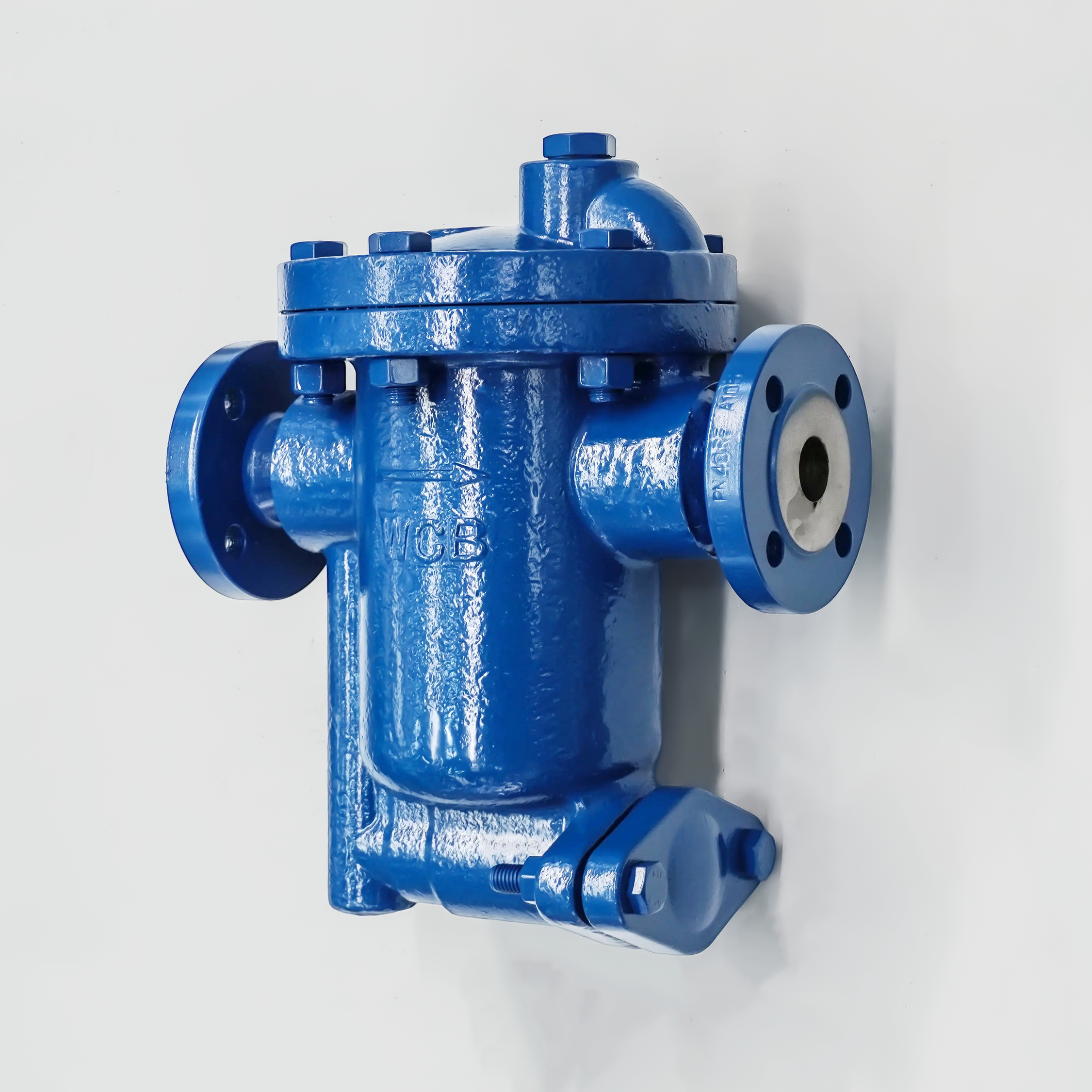
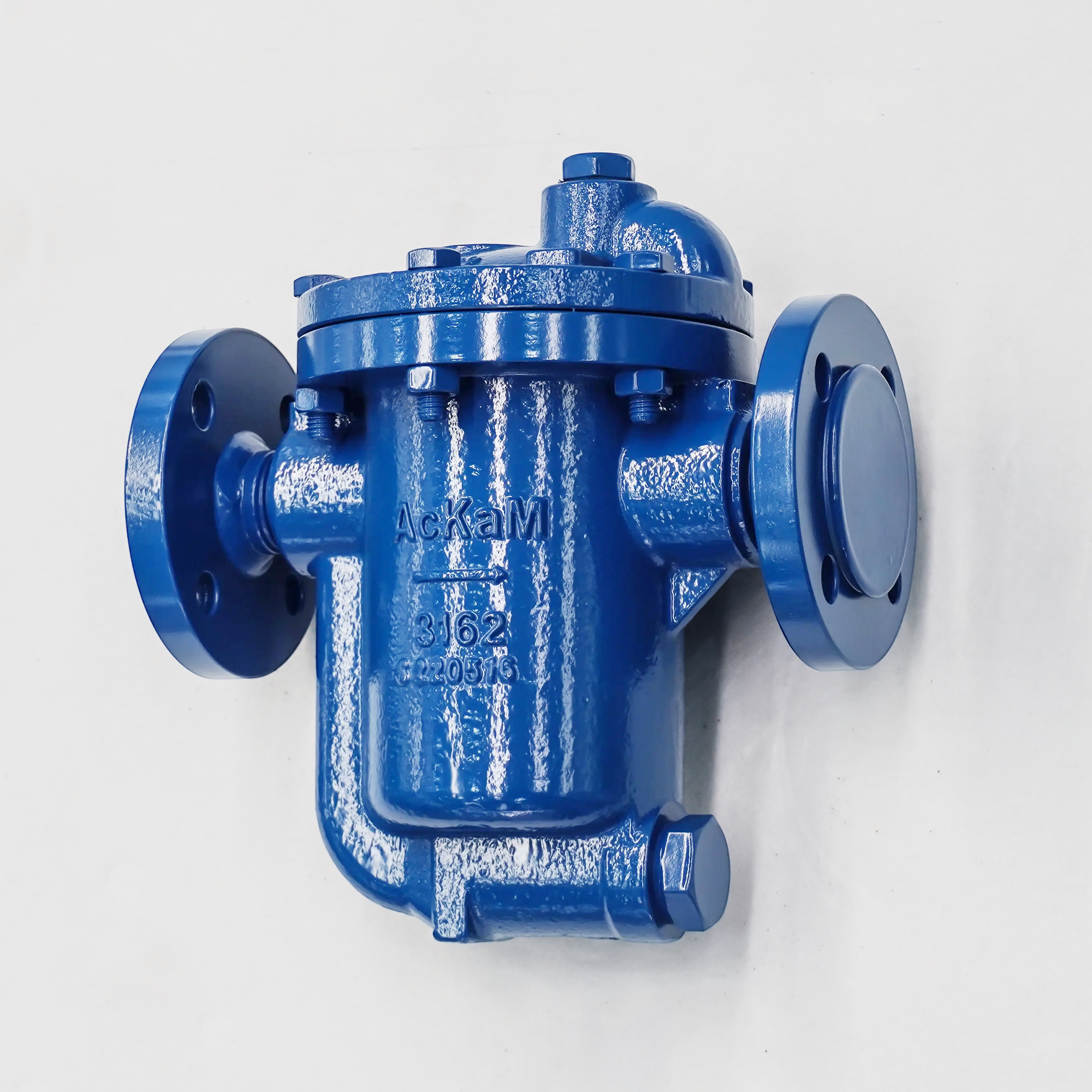
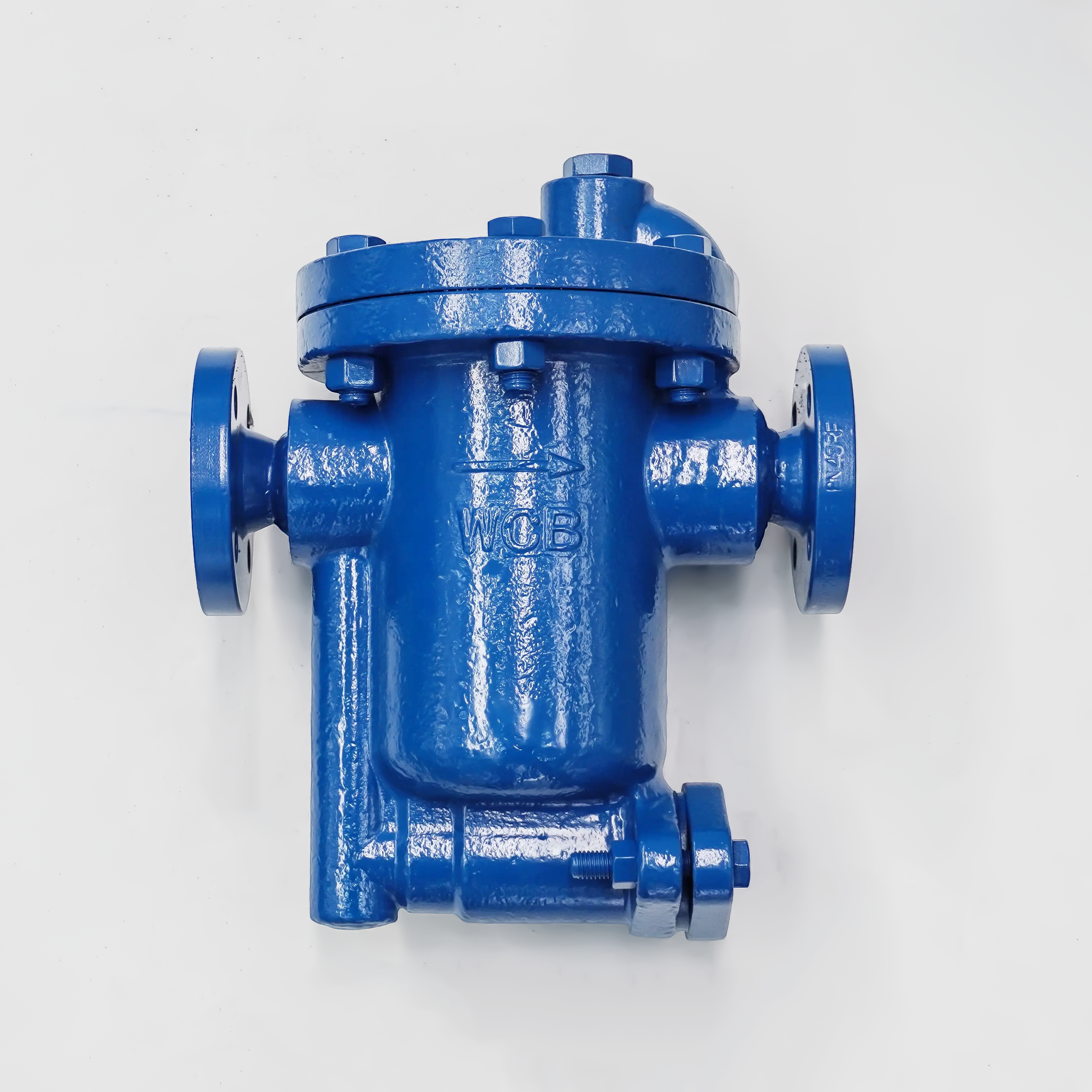
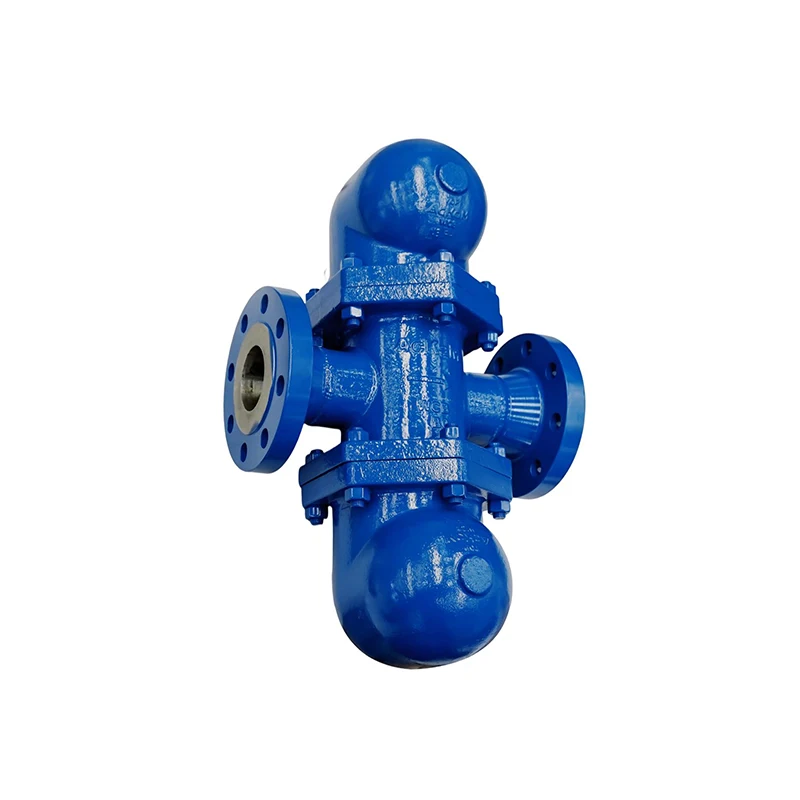
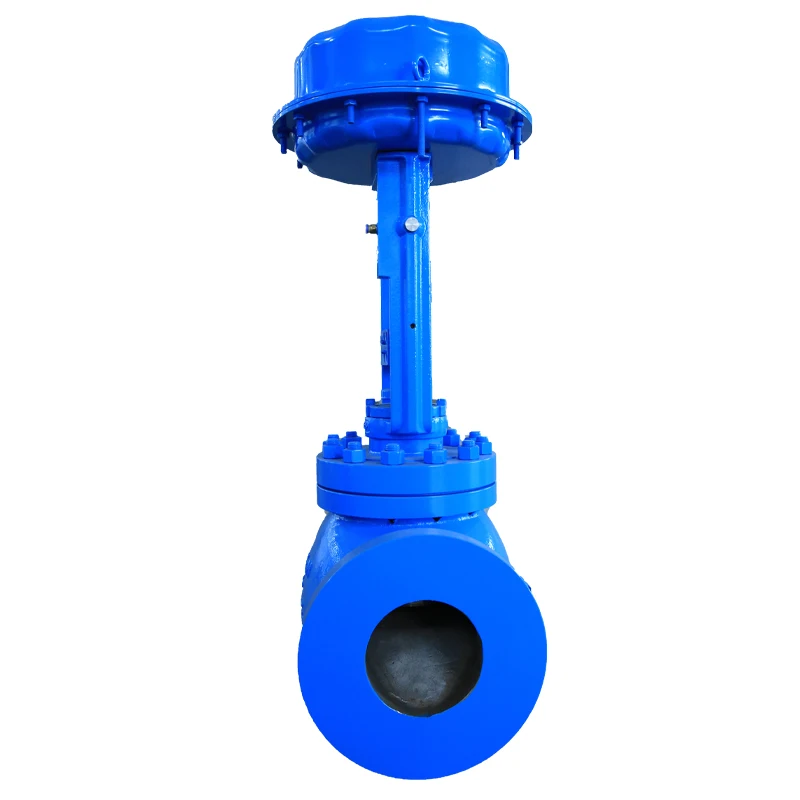
inverted steam trap
The inverted steam trap represents a specialized type of mechanical steam trap designed to efficiently manage condensate removal and steam conservation in industrial applications. This innovative device operates on a unique inverted bucket principle, where a buoyant bucket moves vertically within the trap body to control steam and condensate flow. The inverted steam trap features a bucket that floats when steam enters the chamber and sinks when condensate accumulates, creating an automatic valve mechanism that responds to changing fluid conditions. The main functions of an inverted steam trap include condensate discharge, air venting, and steam conservation, making it essential for maintaining optimal system performance. The technological features of this inverted steam trap design incorporate a robust bucket mechanism, precision-engineered valve seat, and durable construction materials that withstand high-pressure and high-temperature environments. The inverted bucket configuration allows for continuous operation without manual intervention, automatically adjusting to varying load conditions. Key applications for inverted steam traps span across manufacturing facilities, power generation plants, chemical processing units, and heating systems where reliable condensate management is critical. The inverted steam trap excels in applications requiring consistent performance under fluctuating steam loads, making it particularly valuable in industrial processes. The device efficiently handles both light and heavy condensate loads while maintaining excellent steam retention capabilities. The inverted steam trap design incorporates a thermostatic air vent that ensures rapid system startup and eliminates air pockets that could impede heat transfer. This comprehensive approach to steam system management makes the inverted steam trap an indispensable component for organizations seeking to optimize energy efficiency and reduce operational costs while maintaining reliable system performance.