Bucket Steam Trap Technology: Superior Condensate Removal Solutions for Industrial Applications

All Categories

Get a Free Quote

Our representative will contact you soon.
Email
Name
Company Name
Message
0/1000

bucket steam trap

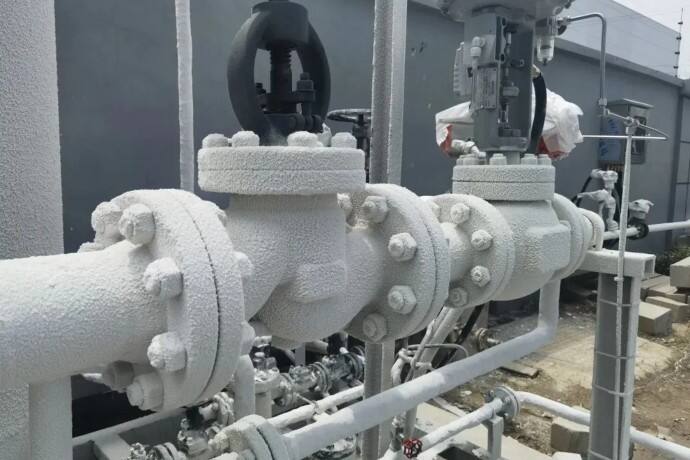
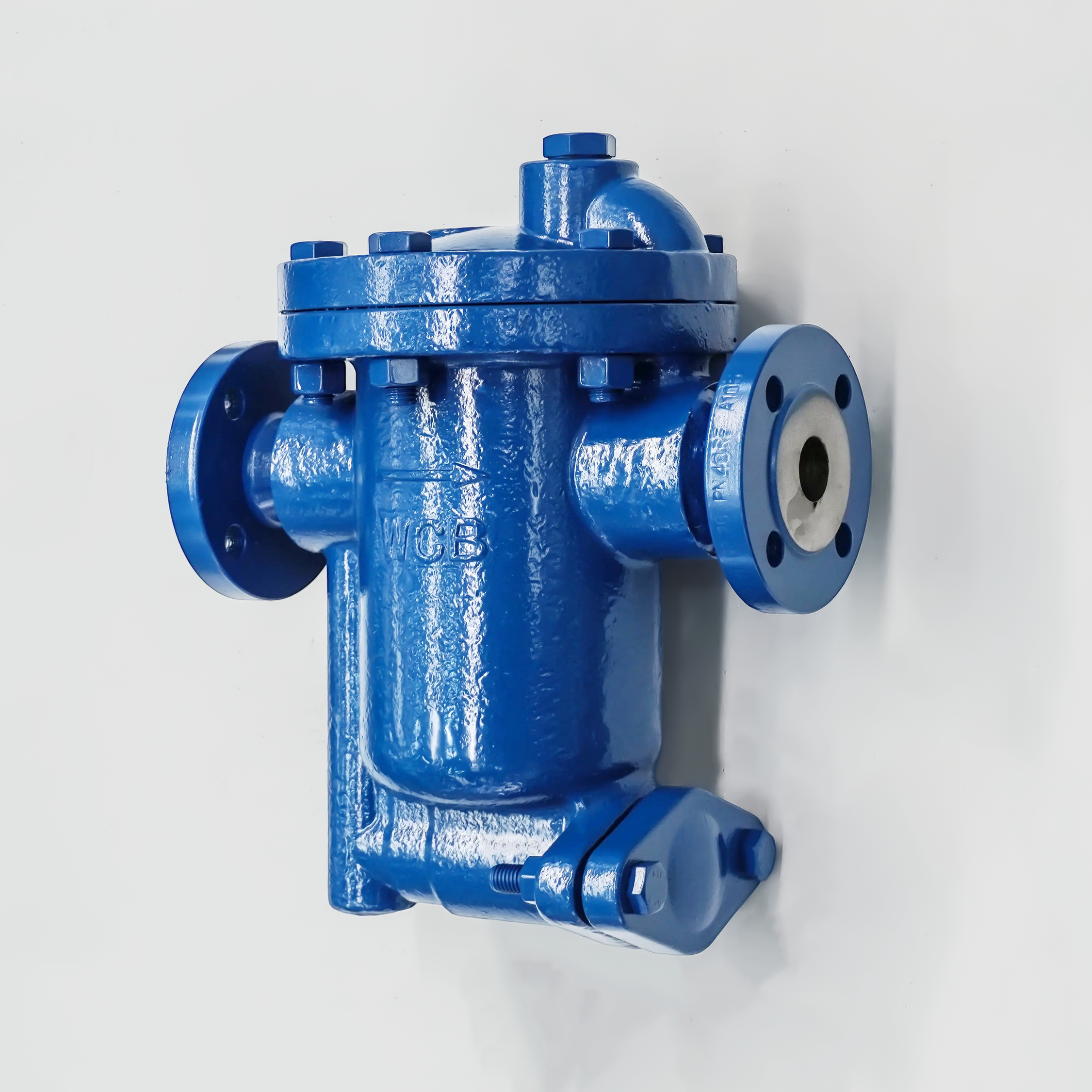
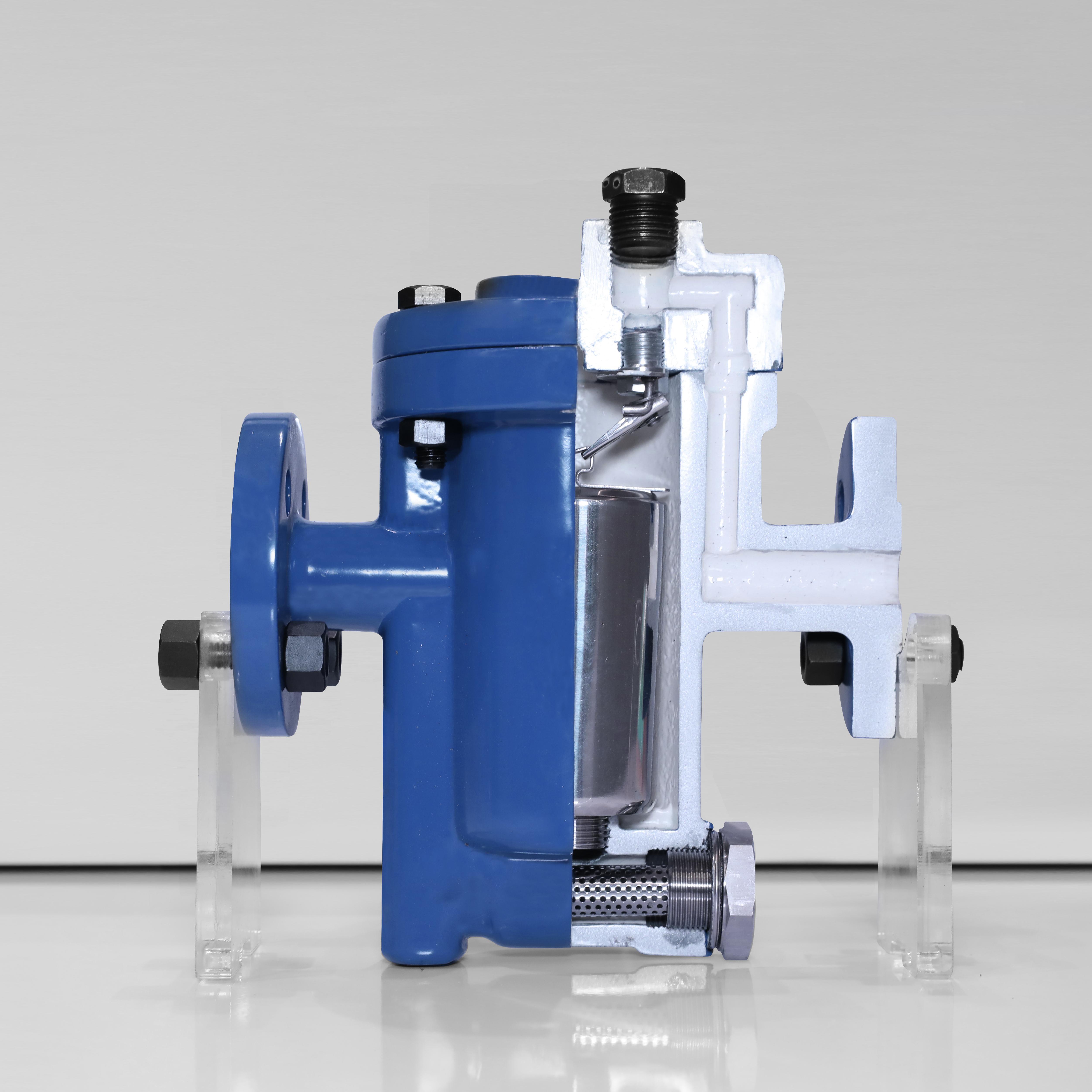
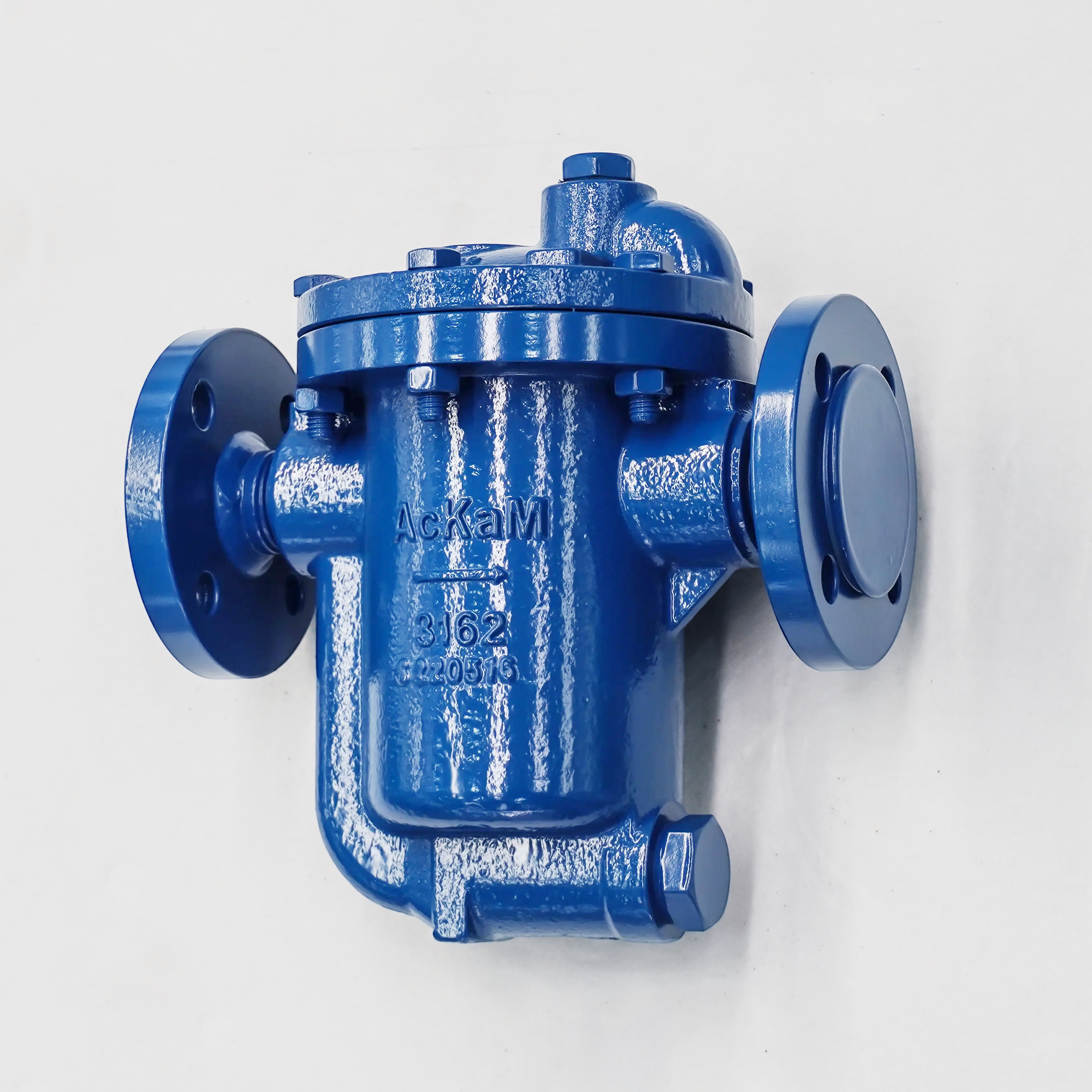
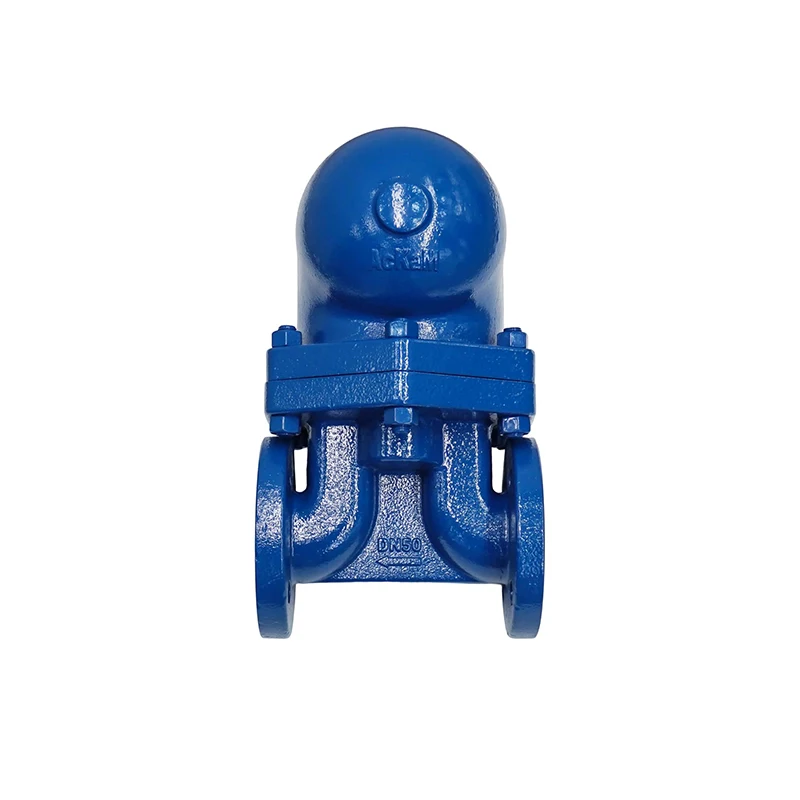
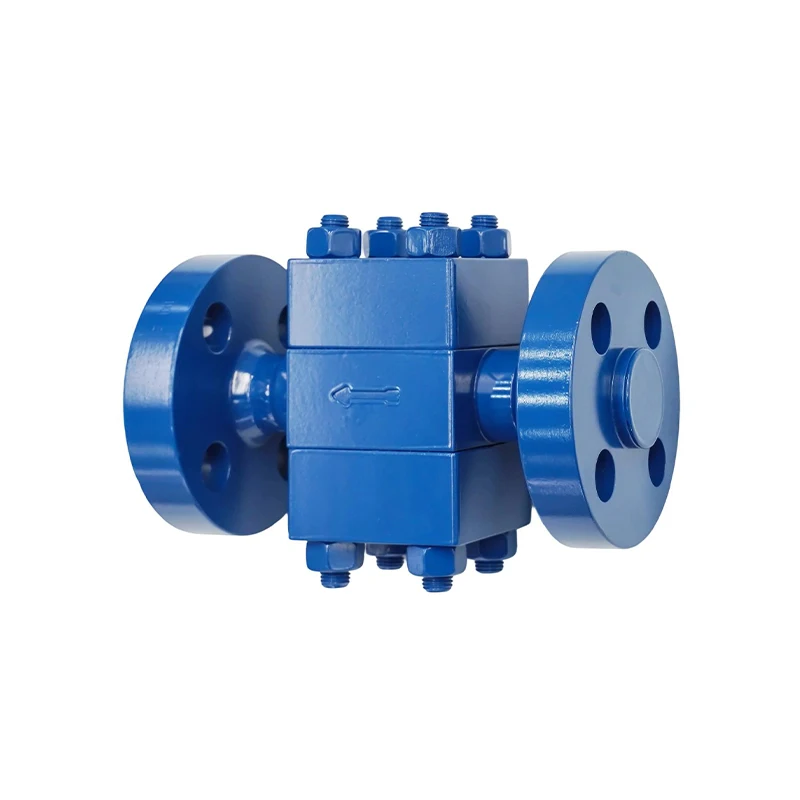
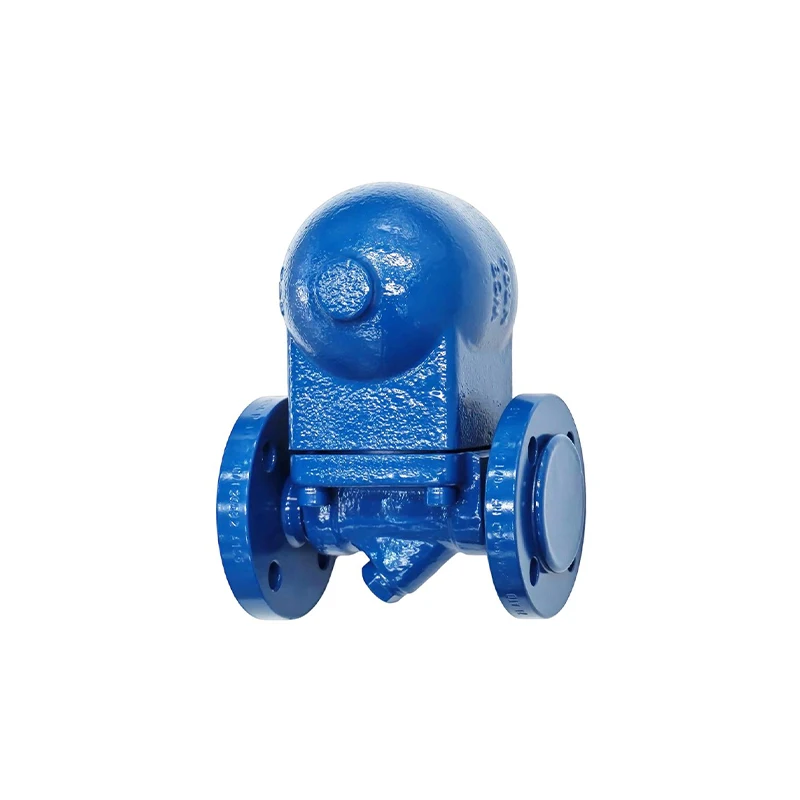
The bucket steam trap represents a sophisticated mechanical device designed to automatically remove condensate and non-condensable gases from steam systems while preventing steam loss. This essential component operates through a unique inverted bucket mechanism that responds to density differences between steam and condensate. When condensate enters the bucket steam trap, it fills the surrounding chamber and causes the inverted bucket to sink due to its increased weight. This downward movement opens the discharge valve, allowing condensate to flow out of the system. As steam enters the bucket, its lower density causes the bucket to float upward, closing the discharge valve and preventing valuable steam from escaping. The bucket steam trap incorporates a thermostatic air vent that automatically releases air and other non-condensable gases during system startup and operation. This feature ensures optimal heat transfer efficiency by eliminating air pockets that could impede steam flow. The robust construction typically features cast iron or stainless steel bodies with hardened valve seats to withstand high pressures and temperatures. Modern bucket steam trap designs include integral strainers to prevent debris from interfering with operation and check valves to prevent backflow. These devices find extensive applications across industrial processes including heating systems, process equipment, steam distribution networks, and manufacturing facilities. The bucket steam trap excels in applications requiring reliable condensate removal with minimal steam loss, making it particularly valuable in energy-conscious operations. Industries such as petrochemicals, pharmaceuticals, food processing, textiles, and power generation rely on bucket steam trap technology to maintain system efficiency. The versatility of the bucket steam trap allows it to handle varying condensate loads while maintaining consistent performance across different operating conditions.
New Product Releases

The bucket steam trap delivers exceptional reliability through its simple mechanical operation that requires no external power source or complex control systems. This robust design ensures continuous operation even in harsh industrial environments where electrical components might fail. Users benefit from significantly reduced maintenance costs since the bucket steam trap contains fewer moving parts compared to alternative condensate removal solutions. The mechanical simplicity translates to longer service life and fewer replacement requirements, providing excellent return on investment for facility operators. Energy efficiency stands as a primary advantage of the bucket steam trap, as its precise operation minimizes steam loss while ensuring complete condensate removal. This efficiency directly impacts operational costs by reducing fuel consumption and maintaining optimal heat transfer throughout the system. The bucket steam trap responds instantly to changing load conditions, automatically adjusting its discharge rate to match condensate generation without manual intervention. This responsive operation maintains consistent system pressure and temperature, improving overall process stability and product quality. Installation flexibility represents another significant benefit, as the bucket steam trap can operate in various orientations and locations within steam systems. This adaptability simplifies system design and allows engineers to optimize piping layouts without compromising trap performance. The built-in air venting capability eliminates the need for separate air removal devices, reducing system complexity and installation costs. Facility managers appreciate the visual indication features available on many bucket steam trap models, which allow quick assessment of operational status during routine inspections. The wide operating range of pressure and temperature makes the bucket steam trap suitable for diverse applications, from low-pressure heating systems to high-pressure industrial processes. Quality construction materials ensure compatibility with various steam qualities and chemical conditions encountered in different industries. The bucket steam trap provides consistent performance regardless of back pressure variations, maintaining reliable operation even when downstream conditions fluctuate. This versatility reduces inventory requirements since fewer trap variations are needed to serve multiple applications throughout a facility.

Practical Tips

Soaring to New Heights: AcKaM Industrial Surges in Billion-Dollar Market with 200% H1 Sales Growth

04

Nov

Soaring to New Heights: AcKaM Industrial Surges in Billion-Dollar Market with 200% H1 Sales Growth

View More
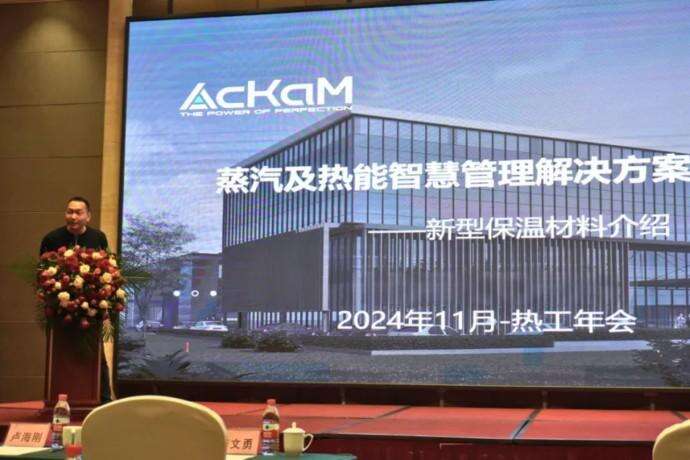
Innovation in Thermal Insulation Technology! AcKaM Delivers Keynote Speech at 2024 National Thermal Engineering Conference

05

Nov

Innovation in Thermal Insulation Technology! AcKaM Delivers Keynote Speech at 2024 National Thermal Engineering Conference

View More
AcKaM: Riding the Trillion-Yuan Wave to Pioneer Innovation

04

Nov

AcKaM: Riding the Trillion-Yuan Wave to Pioneer Innovation

View More

Get a Free Quote

Our representative will contact you soon.
Email
Name
Company Name
Message
0/1000

bucket steam trap

Superior Energy Conservation Technology

Superior Energy Conservation Technology

The bucket steam trap employs advanced density-based operation that achieves remarkable energy conservation through precise steam and condensate separation. This innovative mechanism utilizes the fundamental physics principle that steam possesses significantly lower density than liquid condensate, enabling the trap to distinguish between these phases with exceptional accuracy. When the system generates condensate, the bucket steam trap immediately recognizes the density change and opens the discharge valve to remove the liquid while retaining valuable steam within the system. This precise operation prevents energy waste that occurs with inferior trapping technologies that may discharge live steam along with condensate. The economic impact of this energy conservation becomes substantial over time, as facilities can reduce fuel consumption by up to fifteen percent compared to less efficient condensate removal methods. The bucket steam trap maintains this energy-saving performance across varying load conditions, automatically adjusting its response to match actual condensate generation rates rather than operating on predetermined cycles. This adaptive behavior ensures optimal energy utilization during both peak demand periods and low-load conditions. The thermodynamic efficiency gained through proper bucket steam trap operation extends beyond fuel savings to include improved heat transfer throughout the entire steam system. By eliminating steam loss and maintaining proper condensate removal, the bucket steam trap enables heat exchangers, radiators, and process equipment to operate at designed capacity levels. This enhanced thermal performance translates to improved product quality in manufacturing processes and better comfort conditions in building heating applications. Environmental benefits accompany the energy conservation achieved through bucket steam trap technology, as reduced fuel consumption directly correlates to lower carbon emissions and decreased environmental impact. Modern sustainability initiatives increasingly recognize the importance of efficient steam trap operation in achieving corporate environmental goals and regulatory compliance requirements.
Unmatched Durability and Reliability Engineering

Unmatched Durability and Reliability Engineering

The bucket steam trap incorporates premium engineering principles that deliver unmatched durability and operational reliability in demanding industrial environments. Advanced metallurgy and precision manufacturing techniques create a robust device capable of withstanding extreme temperature fluctuations, high-pressure conditions, and corrosive steam environments that would compromise lesser quality equipment. The bucket steam trap construction typically features heavy-duty cast materials with wall thicknesses exceeding standard requirements, providing substantial safety margins that extend operational life significantly beyond competing products. Critical components such as valve seats undergo specialized hardening processes that resist wear and erosion from high-velocity condensate flow and particulate matter commonly present in steam systems. This attention to material science and component durability translates to operational availability exceeding ninety-eight percent in properly maintained installations. The mechanical simplicity of the bucket steam trap design contributes significantly to its reliability advantage, as fewer moving parts reduce potential failure points and eliminate complex electronic components that might malfunction in harsh industrial conditions. Field experience demonstrates that properly sized bucket steam trap installations routinely operate for years without requiring component replacement or major maintenance interventions. Quality assurance protocols during manufacturing ensure each bucket steam trap meets stringent performance standards before shipment, including pressure testing, leak detection, and operational verification under simulated service conditions. The reliability engineering extends to include comprehensive testing of materials compatibility with various steam qualities and chemical additives commonly used in industrial boiler systems. Corrosion resistance properties built into bucket steam trap construction enable long-term operation in challenging environments where aggressive water chemistries or contaminated condensate might damage inferior equipment. Predictable maintenance schedules become possible with bucket steam trap technology, as wear patterns follow established timeframes that allow facility managers to plan service activities without unexpected downtime or emergency repairs that disrupt production schedules.
Versatile Application Adaptability Across Industries

Versatile Application Adaptability Across Industries

The bucket steam trap demonstrates exceptional versatility through its ability to adapt to diverse industrial applications while maintaining consistent performance across widely varying operating conditions. This adaptability stems from the fundamental physics-based operation that remains effective regardless of specific industry requirements or unique system configurations. Manufacturing facilities benefit from bucket steam trap installations that seamlessly handle the dynamic condensate loads typical of batch processing operations, where steam demand fluctuates dramatically throughout production cycles. The responsive nature of bucket steam trap operation ensures optimal condensate removal during high-demand periods while preventing steam loss during low-load conditions. Food and beverage processing industries rely on bucket steam trap technology to maintain sanitary conditions while providing reliable steam system operation essential for cooking, sterilization, and cleaning processes. The stainless steel construction options available for bucket steam trap installations meet stringent hygiene requirements while delivering the mechanical reliability necessary for continuous production schedules. Pharmaceutical manufacturing operations utilize bucket steam trap systems to maintain precise temperature control and contamination-free environments critical for product quality and regulatory compliance. The consistent operation and minimal maintenance requirements of bucket steam trap technology align perfectly with the validation and documentation requirements typical of regulated industries. Building heating applications showcase the versatility of bucket steam trap installations across different facility types, from commercial office buildings to industrial complexes and institutional facilities. The ability to operate effectively at lower pressures makes the bucket steam trap ideal for comfort heating systems while maintaining the robustness necessary for higher-pressure industrial applications. Power generation facilities incorporate bucket steam trap technology throughout their steam cycles to maximize thermal efficiency and minimize energy losses that directly impact generating capacity and operational profitability. The wide pressure and temperature ranges accommodated by bucket steam trap designs enable their use in various stages of power plant operation, from low-pressure auxiliary systems to high-pressure main steam applications. Petrochemical and refining operations depend on bucket steam trap reliability to maintain critical process conditions while withstanding the corrosive environments and extreme temperatures characteristic of hydrocarbon processing facilities.

Get a Free Quote

Our representative will contact you soon.
Email
Name
Company Name
Message
0/1000