Versatile Application Range and Performance Consistency
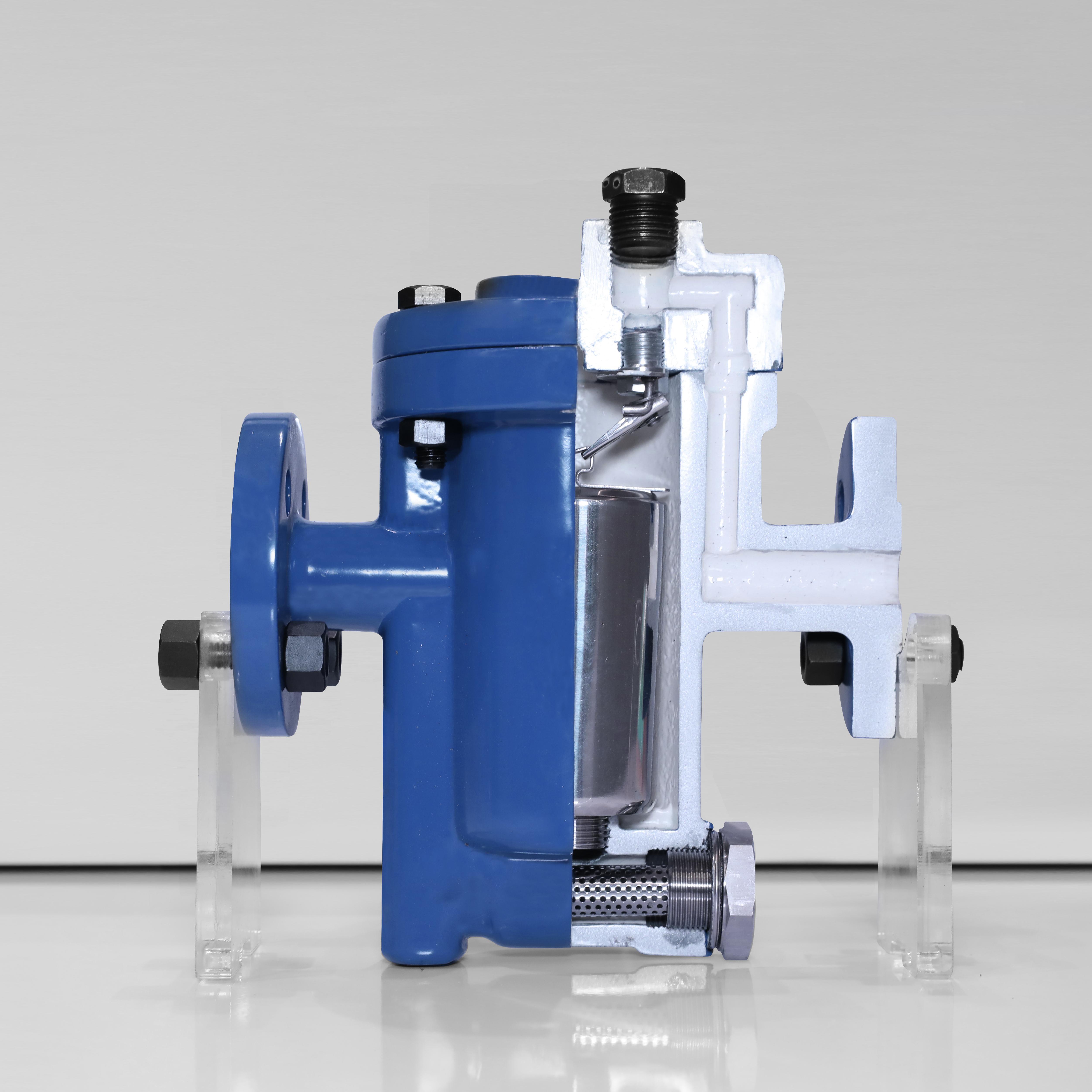
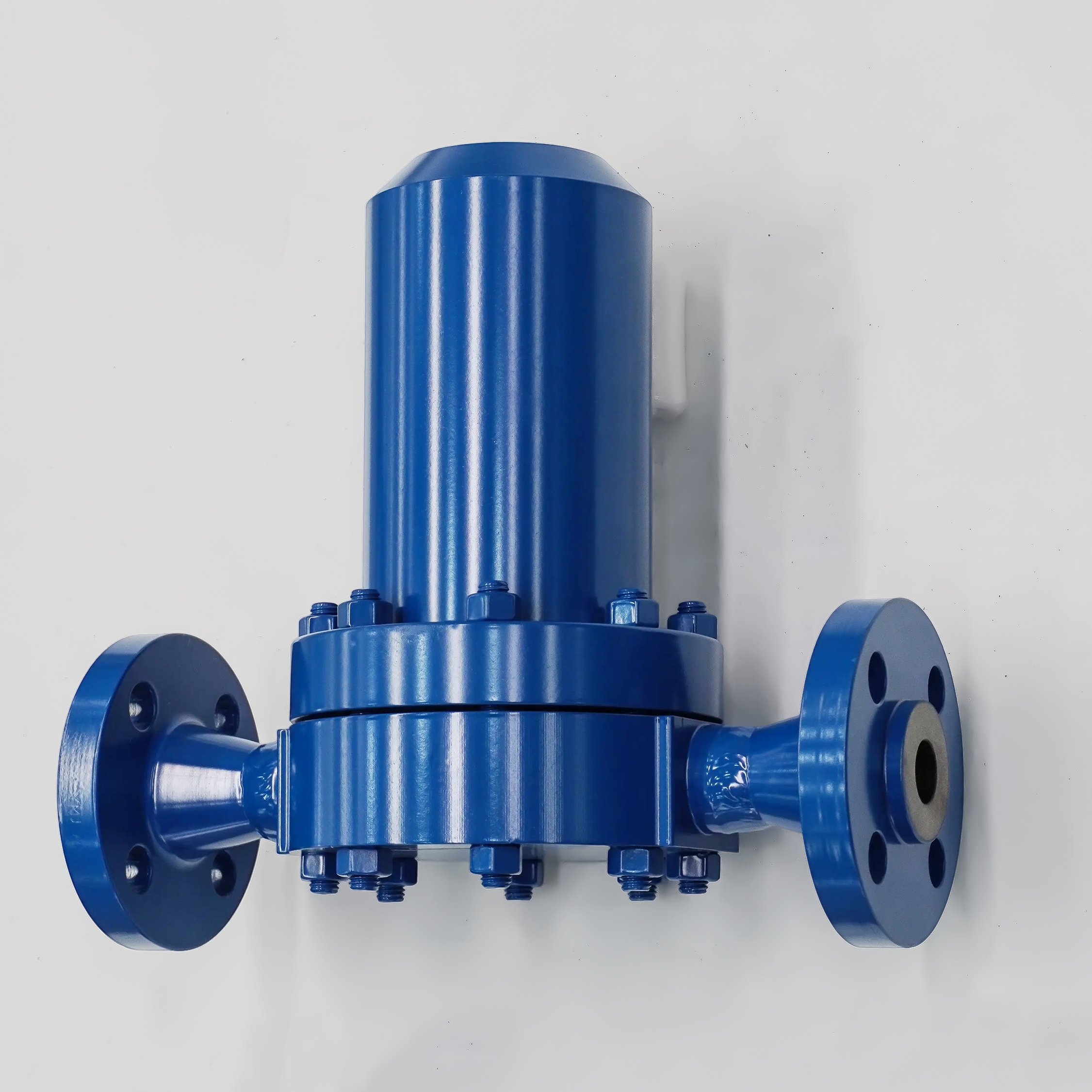
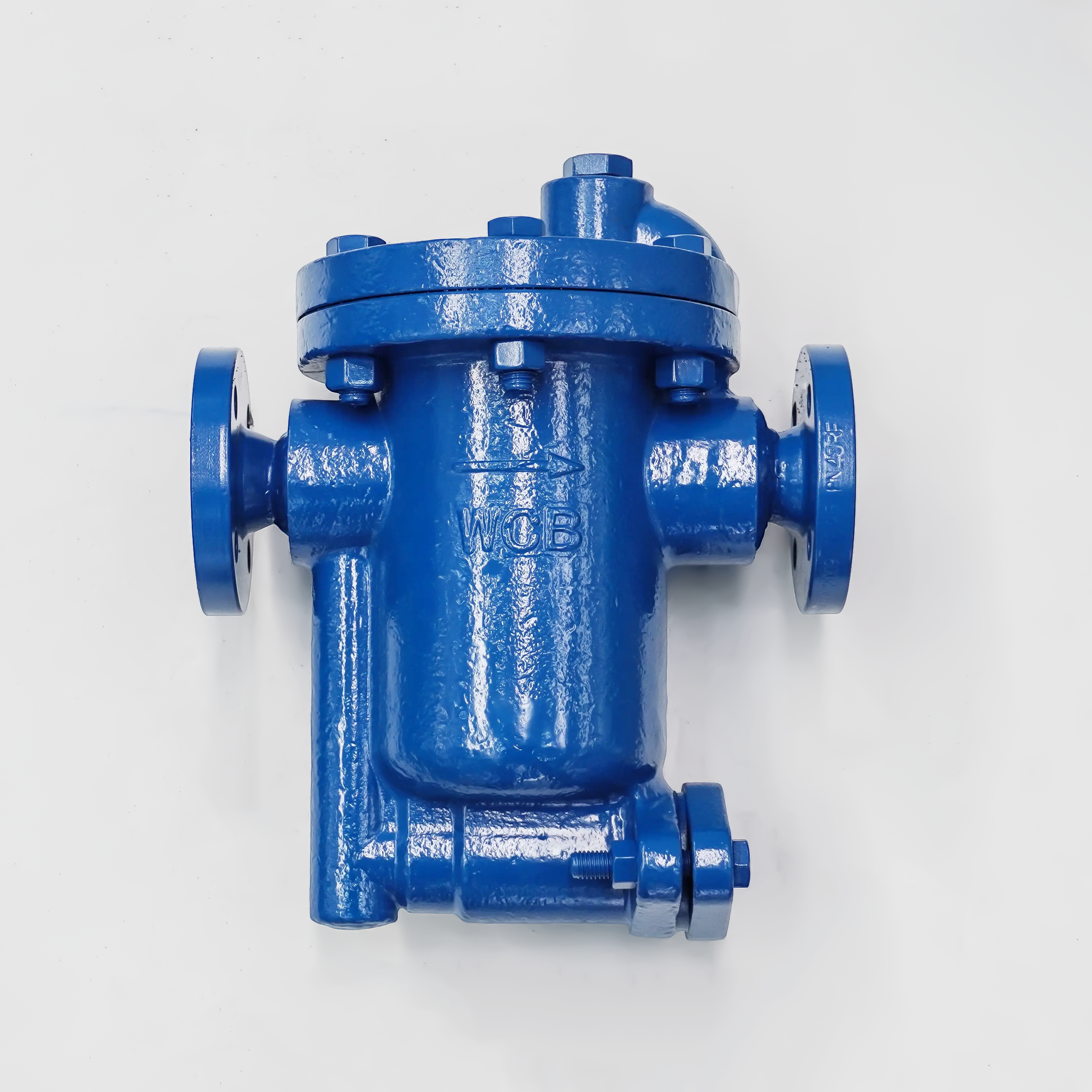
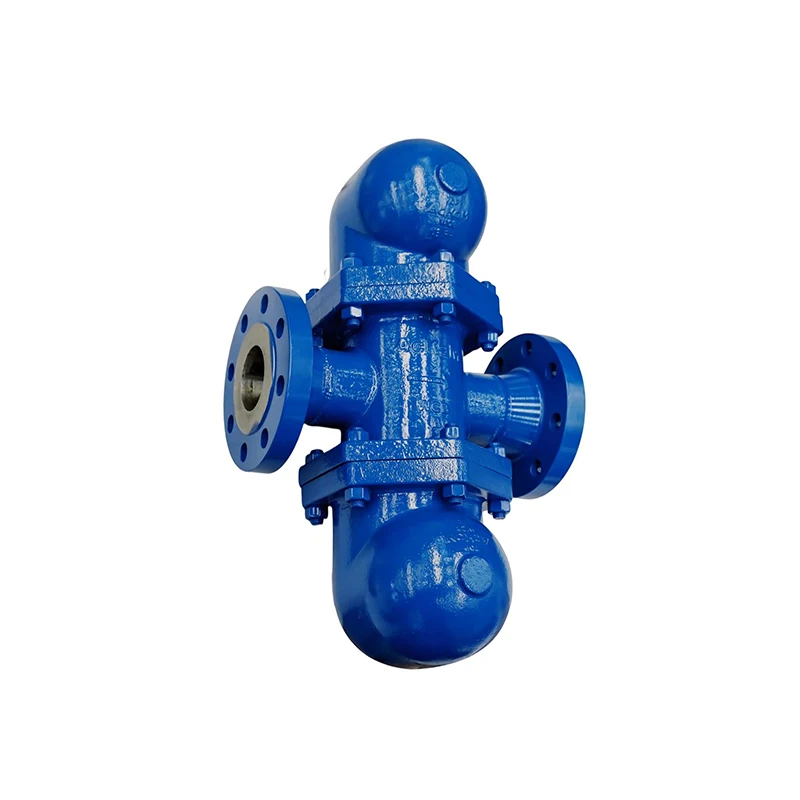
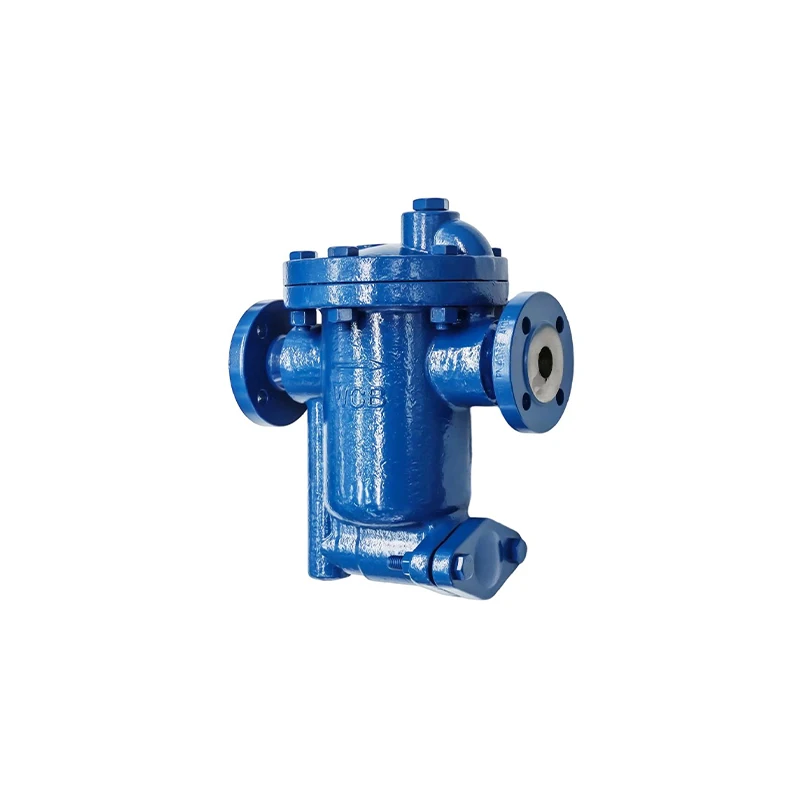
The inverted bucket trap offers remarkable versatility across an extensive range of industrial applications, demonstrating consistent performance characteristics regardless of specific installation requirements or operating conditions. This adaptability stems from the trap's ability to function effectively across wide pressure differentials, from low-pressure heating systems to high-pressure process applications, without requiring specialized modifications or configurations. The capacity range accommodates everything from small condensate loads in individual heat exchangers to high-volume discharge requirements in large industrial processes, making it suitable for diverse facility types including manufacturing plants, commercial buildings, and power generation facilities. Performance consistency remains stable across varying condensate temperatures, allowing the inverted bucket trap to handle both flash steam conditions and subcooled condensate without adjustment or performance degradation. The trap's response to changing load conditions occurs automatically through the mechanical operation, providing immediate adjustment to fluctuating steam demands without operator intervention or complex control systems. Installation flexibility allows mounting in horizontal, vertical, or angled orientations to accommodate space constraints and piping layouts, while maintaining full operational capability regardless of position. The inverted bucket trap performs reliably in applications with intermittent operation, continuous duty cycles, or seasonal variations in steam demand, demonstrating consistent condensate removal and steam conservation throughout all operating modes. Environmental tolerance extends to extreme temperature ranges, corrosive atmospheres, and high-vibration installations common in industrial settings. This comprehensive versatility eliminates the need for multiple trap types within a facility, simplifying inventory management, maintenance procedures, and operator training requirements while ensuring uniform performance standards across all steam system applications within the facility infrastructure.