Versatile Application Range and Easy Installation
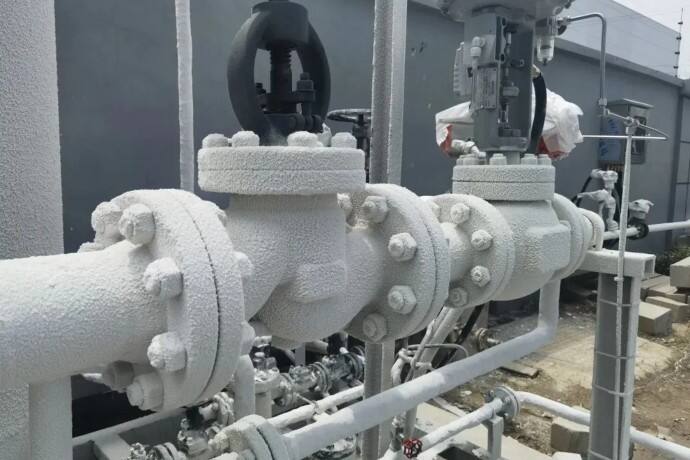
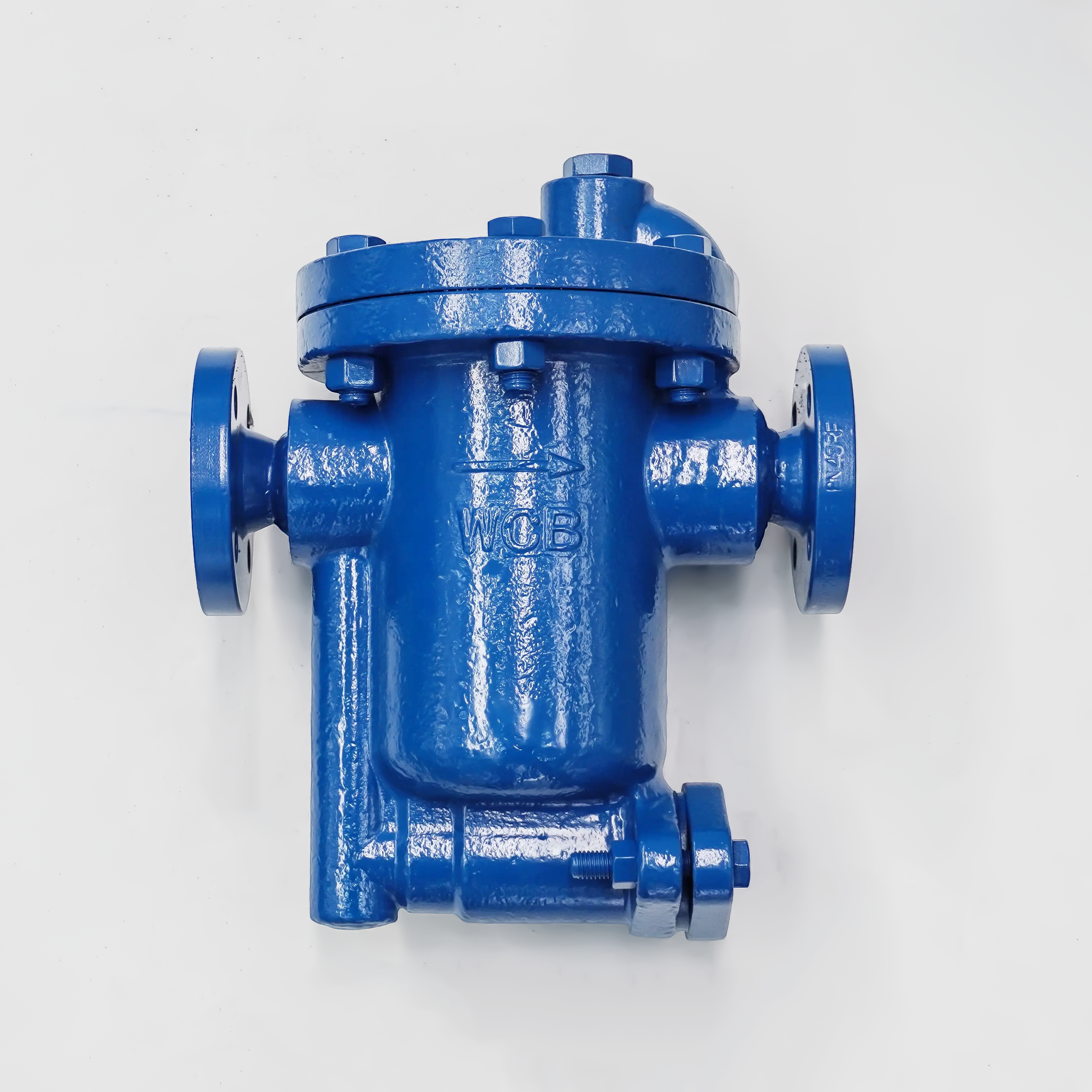
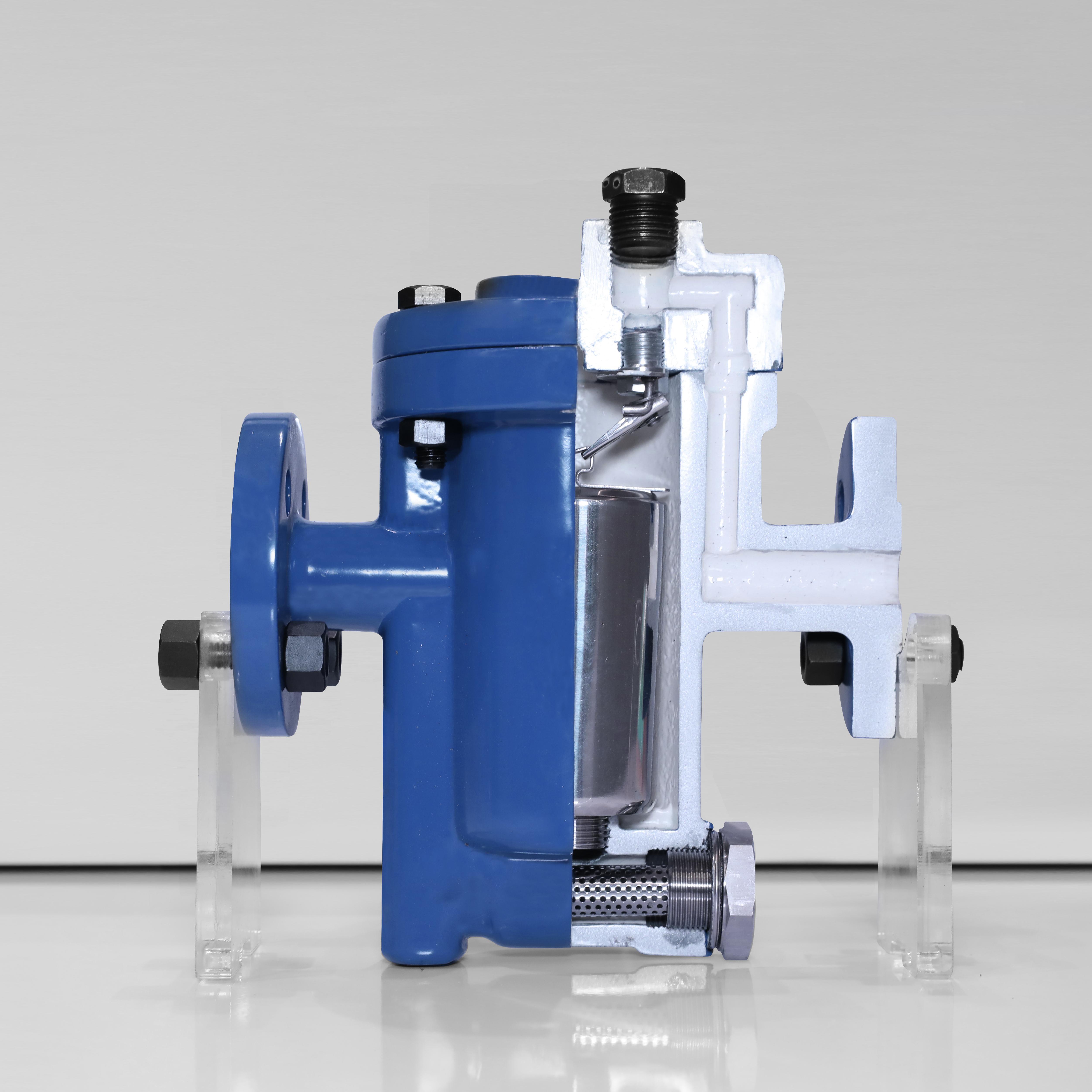
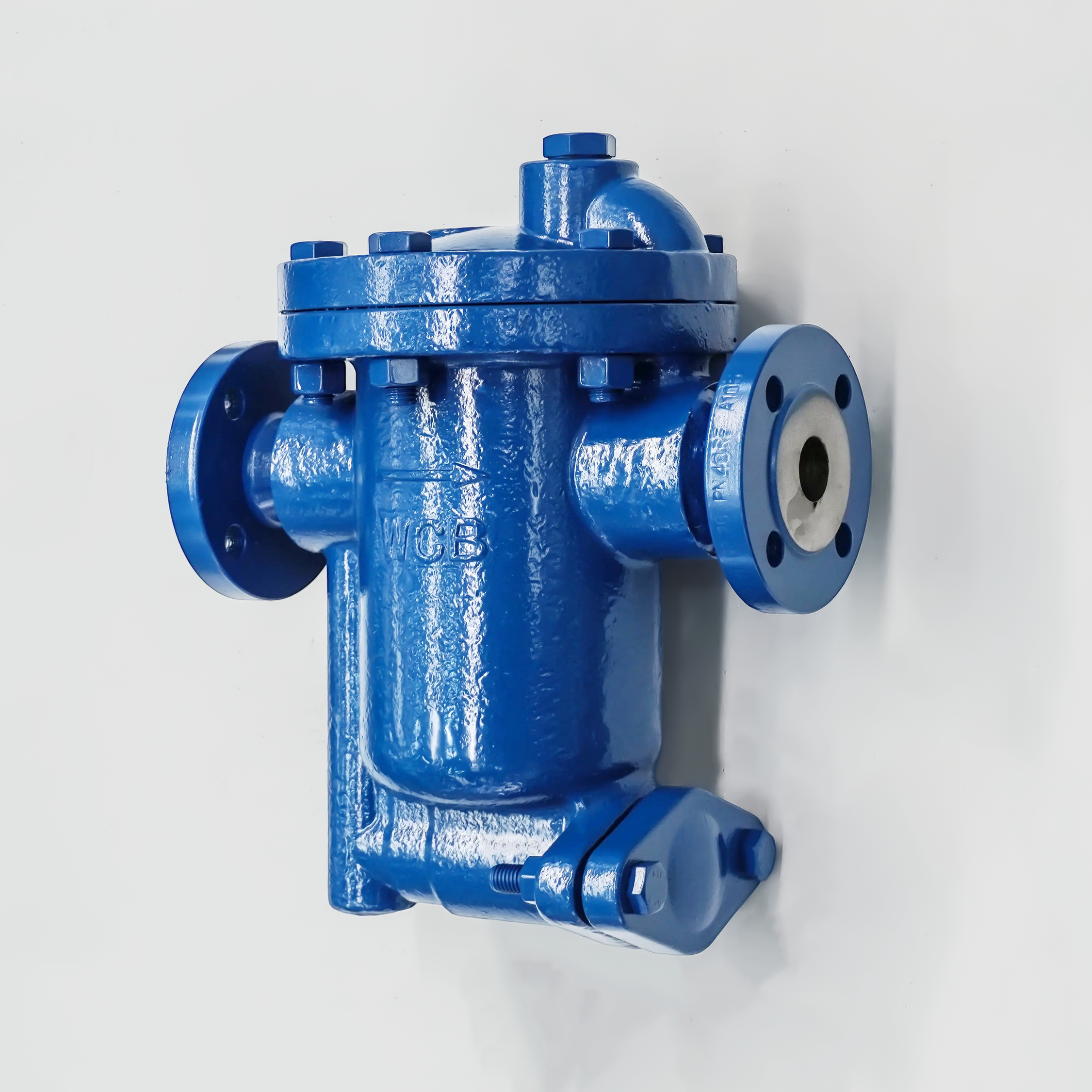
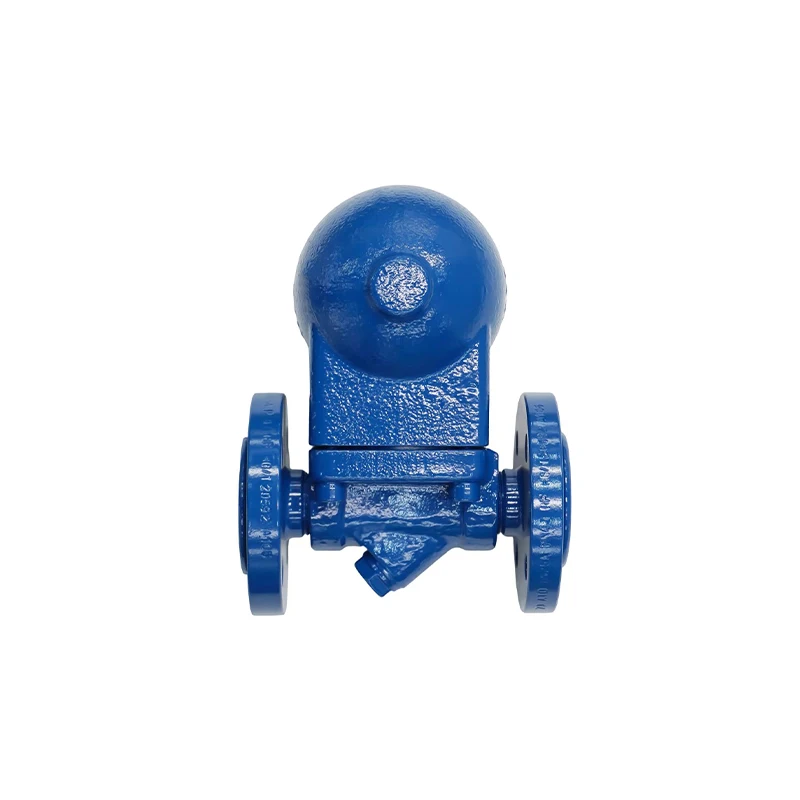
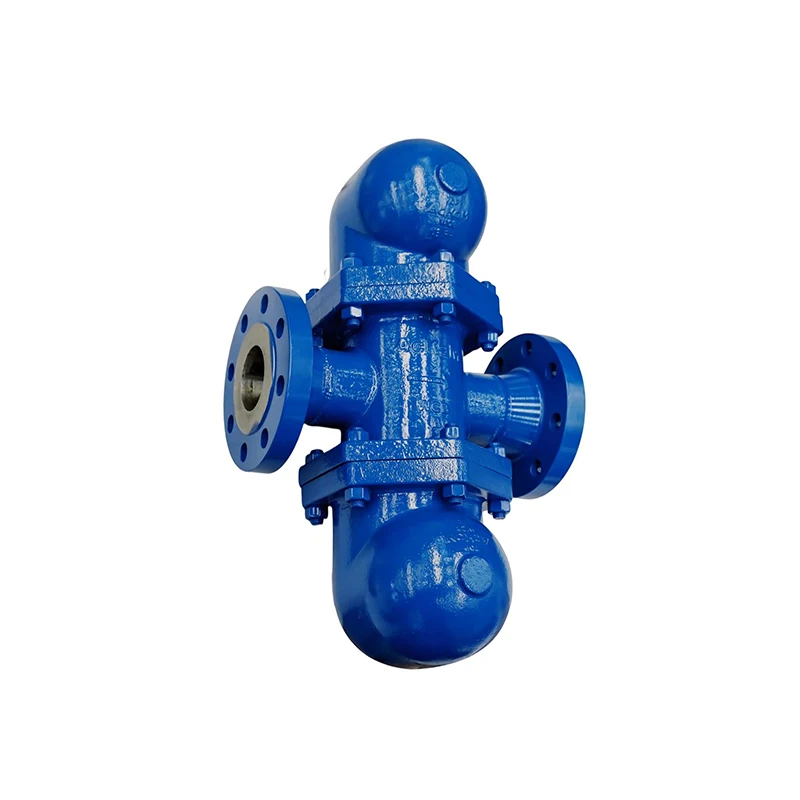
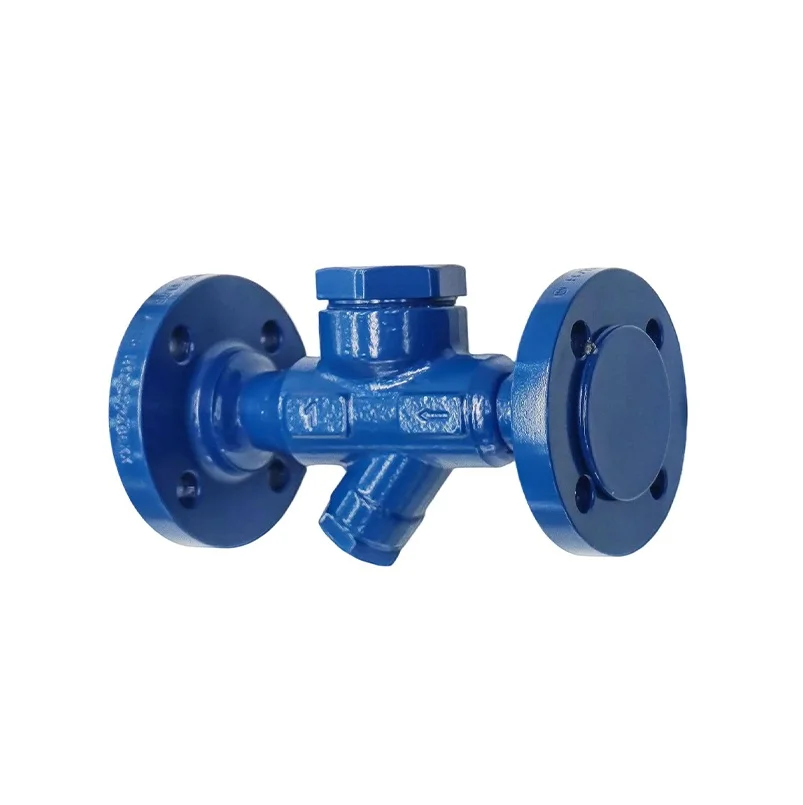
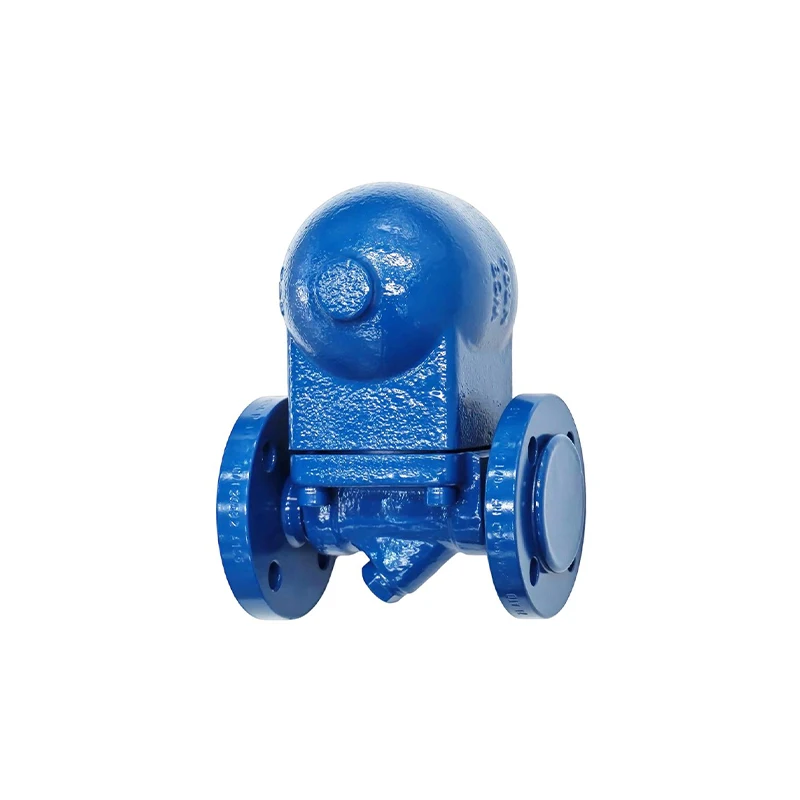
The bucket type steam trap offers remarkable versatility across diverse industrial applications, accommodating varying pressures, temperatures, and condensate loads while maintaining optimal performance characteristics that make it the preferred choice for engineers designing reliable steam systems. This adaptability stems from the scalable design architecture that allows manufacturers to produce units ranging from small fractional-inch connections suitable for instrument tracing applications to large multi-inch units capable of handling massive condensate loads in power generation facilities. The operating pressure range extends from full vacuum conditions up to several hundred PSI, making bucket type steam trap technology suitable for both low-pressure heating systems and high-pressure process applications without requiring specialized variants or modifications. Temperature handling capabilities encompass the full spectrum of steam system operating conditions, from low-temperature heating applications to superheated steam processes, with materials selection and design features optimized for each specific application range. Installation flexibility represents a significant advantage for system designers and maintenance personnel, as bucket type steam trap units function effectively in horizontal, vertical, or angled orientations without performance degradation, providing solutions for challenging piping layouts and space-constrained installations. The standard flange and threaded connection options ensure compatibility with existing piping systems, while optional features such as integral strainers, test connections, and isolation valves can be incorporated to meet specific application requirements. Startup performance is particularly noteworthy, as the bucket type steam trap automatically opens to discharge air and initial condensate loads, then transitions seamlessly to normal operation without manual intervention or complex startup procedures. This automatic operation eliminates the need for bypass lines and manual valves that complicate system design and operation while introducing potential failure points. The compact footprint and lightweight construction facilitate installation in confined spaces, while the robust mounting provisions accommodate various support configurations and piping stress conditions. Maintenance access is enhanced through removable bonnets and inspection ports that allow complete internal inspection and component replacement using standard tools and procedures. The universal applicability extends to specialized environments including food processing facilities requiring sanitary construction, chemical plants demanding corrosion-resistant materials, and marine applications where space and weight constraints are critical factors in equipment selection.