Advanced Nano Insulation Coating - Revolutionary Thermal Protection Technology for Energy Savings

All Categories

Get a Free Quote

Our representative will contact you soon.
Email
Name
Company Name
Message
0/1000

nano insulation coating

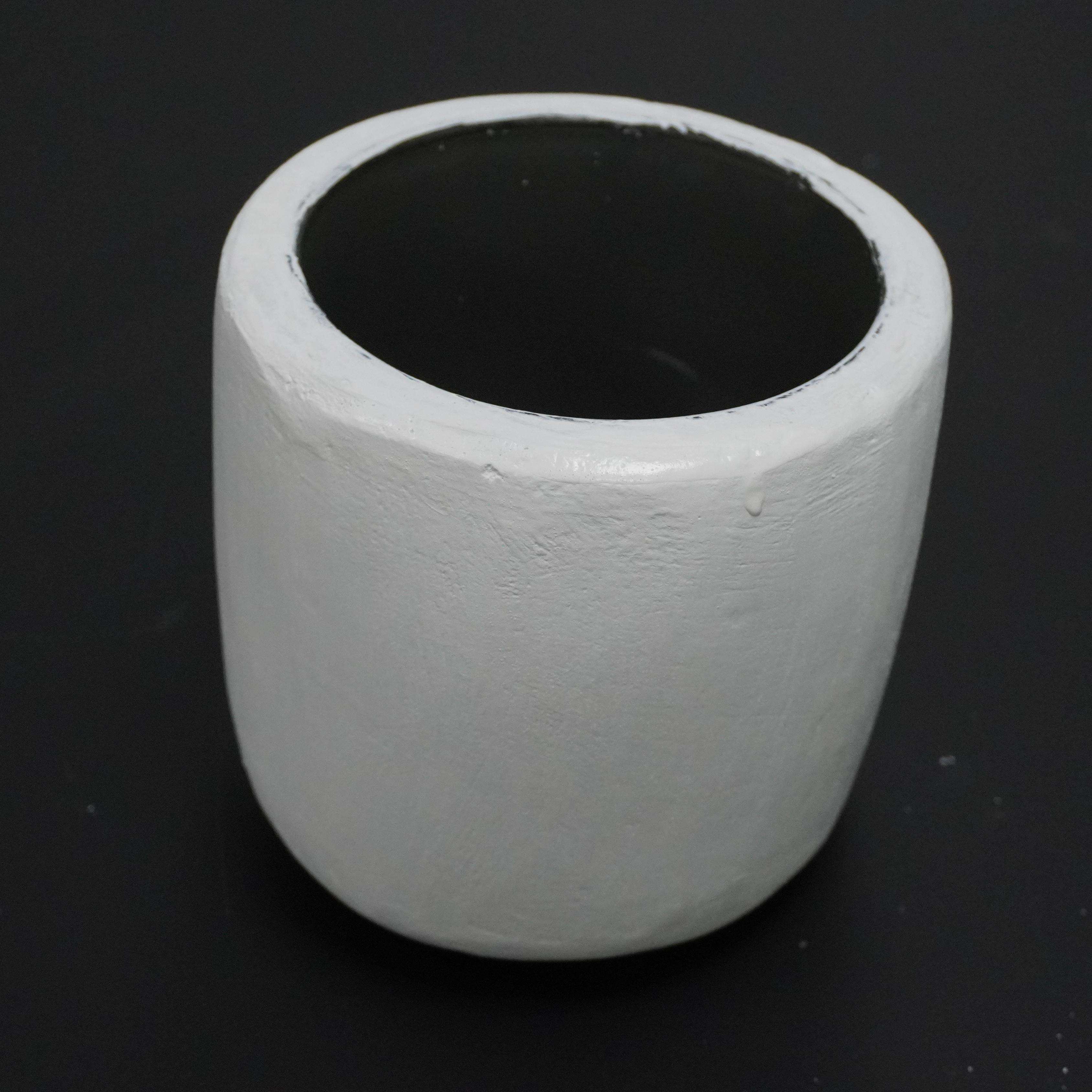
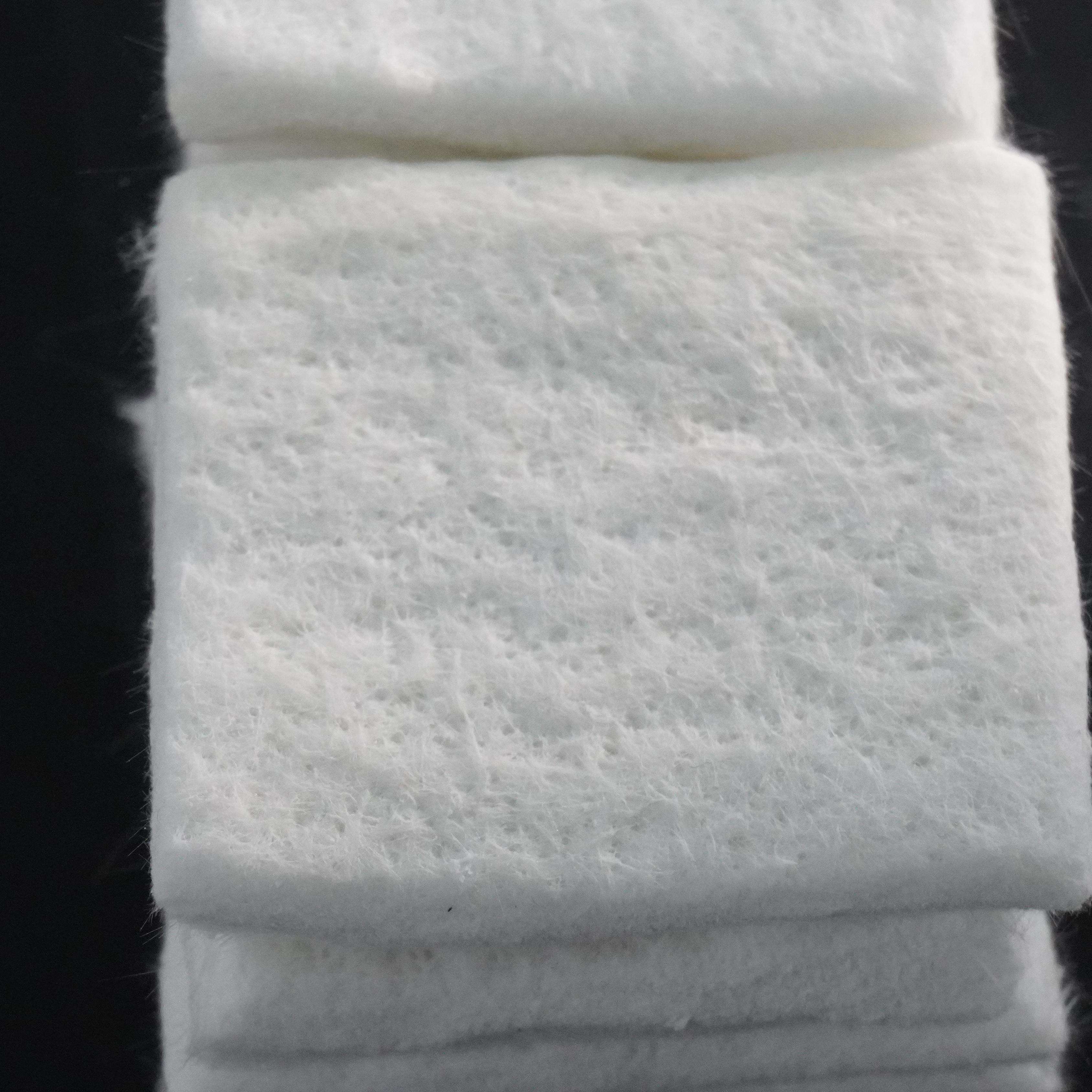
Nano insulation coating represents a revolutionary advancement in thermal protection technology that harnesses the power of nanotechnology to deliver superior insulation performance. This cutting-edge coating consists of microscopic particles engineered at the molecular level to create an ultra-thin barrier that effectively blocks heat transfer while maintaining exceptional durability and flexibility. The nano insulation coating works by incorporating billions of tiny air-filled ceramic microspheres that reflect radiant heat and reduce conductive heat flow through surfaces. These microspheres are suspended in a specially formulated polymer matrix that bonds seamlessly to various substrates including metal, concrete, wood, and composite materials. The coating typically measures just a few millimeters in thickness yet provides thermal resistance equivalent to traditional insulation materials that are significantly thicker and heavier. This nano insulation coating technology operates on multiple heat transfer mechanisms simultaneously, addressing conduction, convection, and radiation through its unique molecular structure. The ceramic microspheres contain vacuum-sealed air pockets that minimize thermal conductivity while the reflective properties of the spheres redirect radiant energy away from protected surfaces. Advanced manufacturing processes ensure uniform particle distribution throughout the coating matrix, creating consistent thermal performance across the entire application area. The nano insulation coating maintains its protective properties across extreme temperature ranges, from sub-zero conditions to high-heat industrial environments exceeding 300 degrees Fahrenheit. This versatility makes it suitable for diverse applications spanning residential buildings, commercial facilities, industrial equipment, marine vessels, and aerospace components. The coating demonstrates remarkable adhesion properties and weather resistance, forming a seamless protective membrane that withstands harsh environmental conditions including UV exposure, moisture, and chemical contaminants without degrading or losing effectiveness.

Popular Products

The nano insulation coating delivers exceptional energy savings by significantly reducing heating and cooling costs for property owners and facility managers. Studies demonstrate that buildings treated with this advanced coating experience energy consumption reductions of up to 30 percent compared to conventional insulation methods. The coating creates a thermal barrier that prevents heat loss during winter months and blocks unwanted heat gain during summer seasons, maintaining comfortable indoor temperatures with less reliance on HVAC systems. This translates into immediate cost savings on utility bills and long-term financial benefits through reduced energy consumption. Installation of nano insulation coating proves remarkably simple and cost-effective compared to traditional insulation upgrades. The liquid application process eliminates the need for costly demolition, structural modifications, or extensive construction work typically required for conventional insulation installations. Professional applicators can complete most projects in a fraction of the time needed for traditional methods, minimizing disruption to daily operations and reducing labor costs. The coating adheres directly to existing surfaces without requiring removal of current materials, making it an ideal retrofit solution for older buildings seeking improved energy efficiency. Maintenance requirements remain minimal once the nano insulation coating cures completely, as the durable formulation resists cracking, peeling, and deterioration under normal operating conditions. The coating provides multi-functional benefits beyond thermal insulation, including moisture protection, corrosion resistance, and sound dampening properties. These additional advantages eliminate the need for separate protective coatings, further reducing material costs and simplification maintenance schedules. The nano insulation coating also contributes to improved indoor air quality by creating a sealed barrier that prevents infiltration of dust, allergens, and outdoor pollutants. This feature proves particularly valuable for facilities housing sensitive equipment or personnel with respiratory concerns. Environmental benefits include reduced carbon footprint through lower energy consumption and decreased reliance on fossil fuels for heating and cooling. The coating contains no harmful chemicals or volatile organic compounds, making it safe for application in occupied buildings and environmentally sensitive areas.

Latest News

Soaring to New Heights: AcKaM Industrial Surges in Billion-Dollar Market with 200% H1 Sales Growth

04

Nov

Soaring to New Heights: AcKaM Industrial Surges in Billion-Dollar Market with 200% H1 Sales Growth

View More
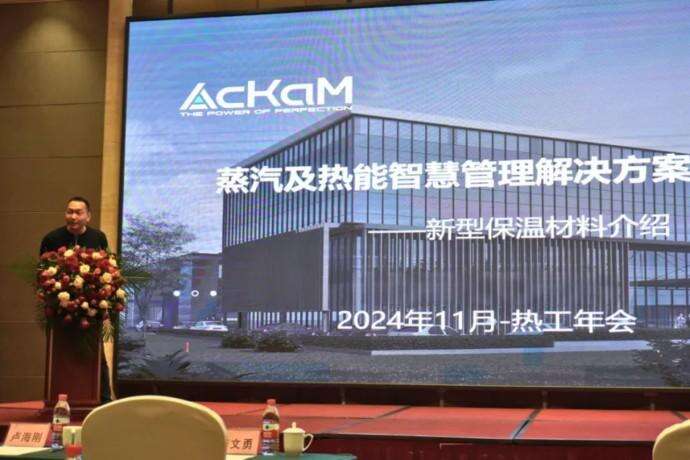
Innovation in Thermal Insulation Technology! AcKaM Delivers Keynote Speech at 2024 National Thermal Engineering Conference

05

Nov

Innovation in Thermal Insulation Technology! AcKaM Delivers Keynote Speech at 2024 National Thermal Engineering Conference

View More
AcKaM: Riding the Trillion-Yuan Wave to Pioneer Innovation

04

Nov

AcKaM: Riding the Trillion-Yuan Wave to Pioneer Innovation

View More

Get a Free Quote

Our representative will contact you soon.
Email
Name
Company Name
Message
0/1000

nano insulation coating

Ultra-Thin Technology Delivers Maximum Performance

Ultra-Thin Technology Delivers Maximum Performance

The most compelling feature of nano insulation coating lies in its ability to provide exceptional thermal protection using an incredibly thin application layer. Unlike traditional insulation materials that require substantial thickness to achieve effective thermal resistance, this advanced coating accomplishes superior results with applications measuring just 2-3 millimeters thick. This breakthrough stems from the revolutionary nanotechnology that incorporates billions of microscopic ceramic microspheres, each containing vacuum-sealed air pockets that create highly effective thermal barriers. The engineering behind this technology focuses on maximizing surface area contact while minimizing material volume, resulting in thermal performance that rivals or exceeds conventional insulation systems using 95 percent less material thickness. This space-saving advantage proves invaluable for retrofitting existing structures where available space for traditional insulation remains limited or nonexistent. Building owners no longer need to sacrifice interior square footage or undertake expensive structural modifications to improve energy efficiency. The ultra-thin profile also eliminates weight concerns associated with heavy traditional insulation materials, making it suitable for applications where structural load capacity limits installation options. Manufacturing facilities benefit particularly from this feature when insulating equipment, pipes, and machinery where thick insulation would interfere with operation or maintenance access. The coating maintains uniform thickness across complex geometries and irregular surfaces, conforming seamlessly to curves, corners, and detailed architectural features that challenge conventional insulation installation. This adaptability ensures complete thermal coverage without gaps or thermal bridges that compromise overall system performance. Quality control during application becomes simpler as the thin profile allows visual verification of coverage completeness, unlike thick insulation systems where hidden gaps may remain undetected. The reduced material requirements also translate into lower shipping costs and storage space needs, providing additional economic advantages for large-scale projects requiring significant quantities of insulation materials.
Versatile Application Across Multiple Industries

Versatile Application Across Multiple Industries

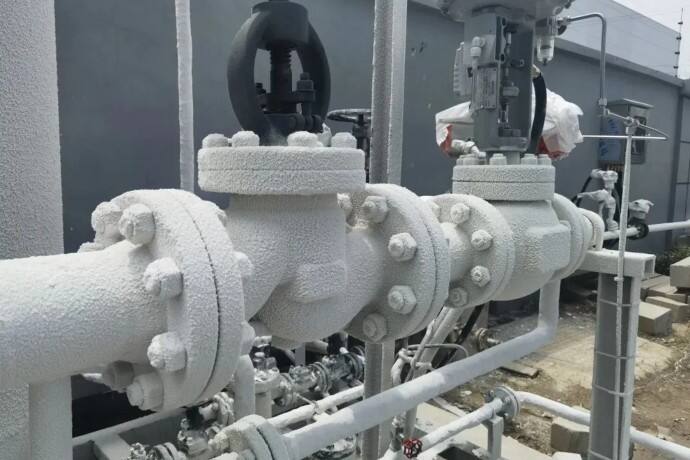
The nano insulation coating demonstrates remarkable versatility through its ability to perform effectively across diverse industrial applications and environmental conditions. This adaptability stems from the coating's engineered formulation that maintains thermal performance and structural integrity across temperature ranges spanning from arctic conditions below negative 40 degrees Fahrenheit to industrial high-heat environments exceeding 500 degrees Fahrenheit. Manufacturing facilities utilize this coating for insulating process equipment, storage tanks, and piping systems where traditional insulation proves impractical due to space constraints or maintenance access requirements. The coating bonds effectively to metal surfaces commonly found in industrial settings, creating seamless thermal barriers that resist corrosion and chemical exposure while maintaining accessibility for routine inspections and repairs. Marine applications benefit from the coating's resistance to saltwater exposure and humidity, making it ideal for ship hulls, offshore platforms, and coastal structures where traditional insulation materials deteriorate rapidly. The aerospace industry leverages the weight-saving advantages and temperature resistance for aircraft components and spacecraft applications where every ounce matters and extreme temperature fluctuations occur regularly. Commercial building applications range from warehouse facilities seeking to reduce heating and cooling costs to food processing plants requiring precise temperature control for product quality and safety compliance. The coating proves equally effective on concrete, steel, aluminum, and composite substrates, eliminating compatibility concerns that limit other insulation options. Residential applications include attic spaces, basement walls, and crawl spaces where traditional insulation installation proves challenging or where existing insulation has degraded over time. The coating's flexibility accommodates building movement and settling without cracking or losing adhesion, ensuring long-term performance in dynamic structural environments. Agricultural facilities use the coating for grain storage buildings, livestock housing, and greenhouse applications where temperature control directly impacts productivity and operational costs. The coating's resistance to ammonia and other agricultural chemicals makes it suitable for environments where conventional materials would require frequent replacement due to chemical degradation.
Long-Term Durability and Cost-Effectiveness

Long-Term Durability and Cost-Effectiveness

The nano insulation coating provides exceptional long-term value through its engineered durability and minimal maintenance requirements over extended service periods. Independent testing demonstrates that properly applied coating maintains thermal performance characteristics for over 25 years under normal operating conditions, significantly exceeding the service life of many traditional insulation materials that degrade, compress, or lose effectiveness over time. This longevity stems from the stable polymer matrix that encapsulates the ceramic microspheres, protecting them from environmental factors that typically compromise insulation performance including moisture infiltration, UV radiation, and thermal cycling. The coating resists common failure modes that plague conventional insulation systems such as settling, compression, rodent damage, and moisture absorption that leads to mold growth and reduced thermal effectiveness. Financial analysis reveals that the initial investment in nano insulation coating typically recovers through energy savings within 3-5 years, depending on local utility rates and building usage patterns. Subsequent years provide pure profit through continued energy cost reductions while avoiding replacement and maintenance expenses associated with traditional insulation systems. The coating eliminates recurring costs for insulation replacement, pest control treatments, and mold remediation that frequently impact buildings with conventional insulation materials. Maintenance requirements remain minimal throughout the coating's service life, requiring only occasional visual inspections and basic cleaning to maintain optimal performance. This simplicity reduces long-term operational costs and eliminates the specialized maintenance procedures required for some traditional insulation systems. The coating's resistance to mechanical damage means it withstands normal building maintenance activities without requiring protection or special handling procedures that add complexity and cost to routine operations. Property values benefit from the permanent energy efficiency improvements that nano insulation coating provides, as energy-efficient buildings command premium prices in real estate markets increasingly focused on sustainability and operational costs. The coating's contribution to LEED certification and other green building standards adds additional value for commercial properties seeking environmental certifications. Insurance benefits may include reduced premiums due to improved fire resistance and moisture control properties that reduce claims risk for property damage and mold-related issues that commonly affect buildings with traditional insulation materials.

Get a Free Quote

Our representative will contact you soon.
Email
Name
Company Name
Message
0/1000