Versatile Application and Long-Term Durability
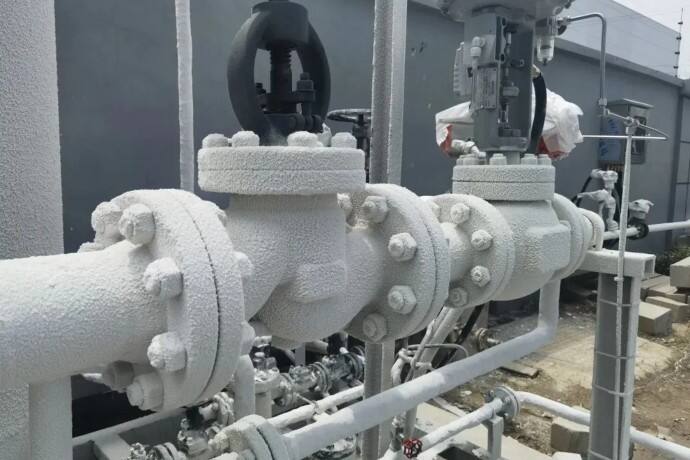
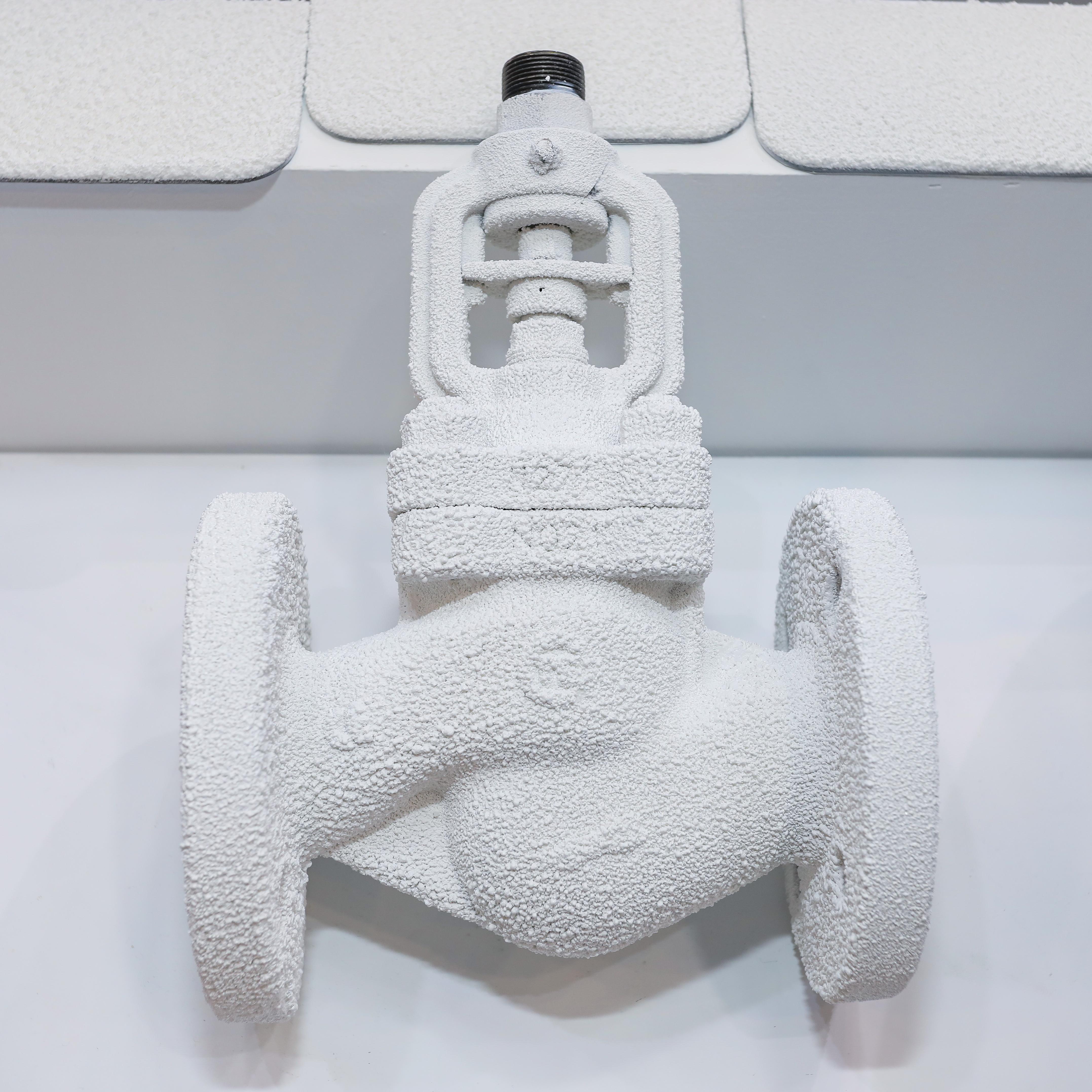
Versatile application capabilities and exceptional long-term durability distinguish nano insulation paint as the preferred solution for diverse thermal protection needs across residential, commercial, and industrial sectors. The remarkable adaptability of this coating technology allows effective application on virtually any surface type, including concrete, metal, wood, existing paint, and specialized substrates that challenge traditional insulation methods. This versatility eliminates compatibility concerns and simplifies project planning for complex building configurations or mixed-material construction. The application process accommodates various methods including brush, roller, and spray techniques, allowing users to select the most appropriate approach for their specific project requirements and skill levels. Standard paint application equipment works effectively with nano insulation paint, eliminating the need for specialized tools or expensive installation machinery. The coating adheres excellently to properly prepared surfaces and cures to form a seamless, continuous thermal barrier that conforms to complex geometries and detailed architectural features. Surface preparation requirements remain minimal, typically involving basic cleaning and priming procedures that most property owners can complete independently. The paint flows smoothly during application, self-levels to minimize brush marks, and provides excellent coverage rates that maximize material efficiency. Temperature and humidity tolerance during application allows work to proceed under various weather conditions, reducing project delays and scheduling constraints. Long-term durability represents a cornerstone advantage that sets nano insulation paint apart from competing products and traditional insulation materials. The advanced polymer chemistry and ceramic microsphere technology create a coating system designed to withstand decades of exposure to harsh environmental conditions without performance degradation. Ultraviolet radiation resistance prevents color fading and material breakdown that commonly affects exterior coatings. Moisture resistance eliminates problems associated with water infiltration, freeze-thaw cycling, and humidity exposure that destroy conventional insulation materials. The flexible coating accommodates thermal expansion and contraction cycles that occur with seasonal temperature changes, preventing cracking and delamination that compromise thermal performance. Chemical resistance ensures compatibility with cleaning agents and mild industrial exposures without coating damage. The durability extends to mechanical properties, with excellent abrasion resistance and impact tolerance that protect against normal wear and accidental damage. Maintenance requirements remain minimal throughout the coating lifetime, typically involving periodic cleaning and occasional touch-up applications in high-wear areas. The consistent long-term performance eliminates the degradation patterns common with traditional insulation materials that lose effectiveness over time through settling, compression, or moisture damage.