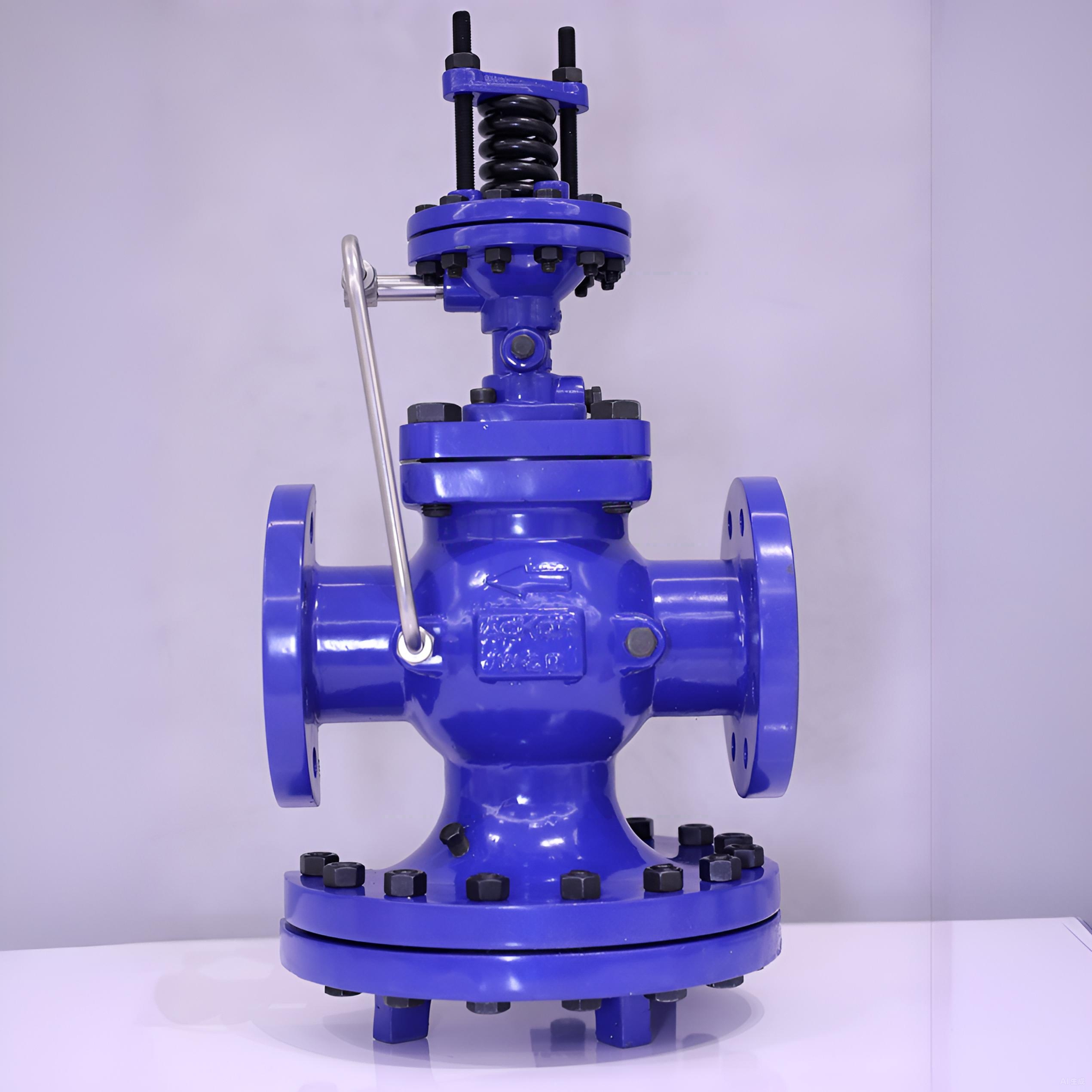
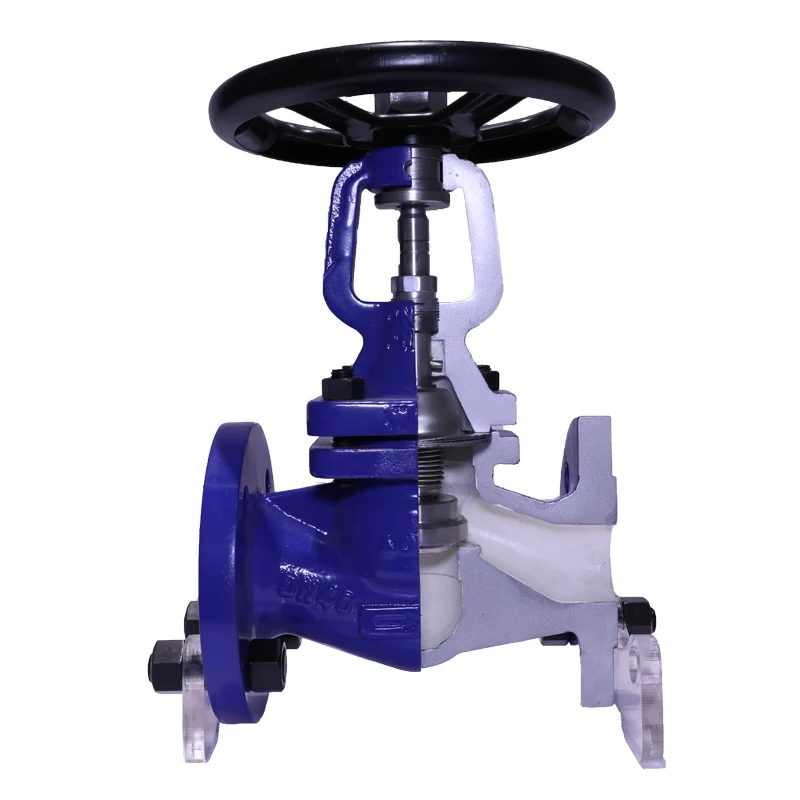
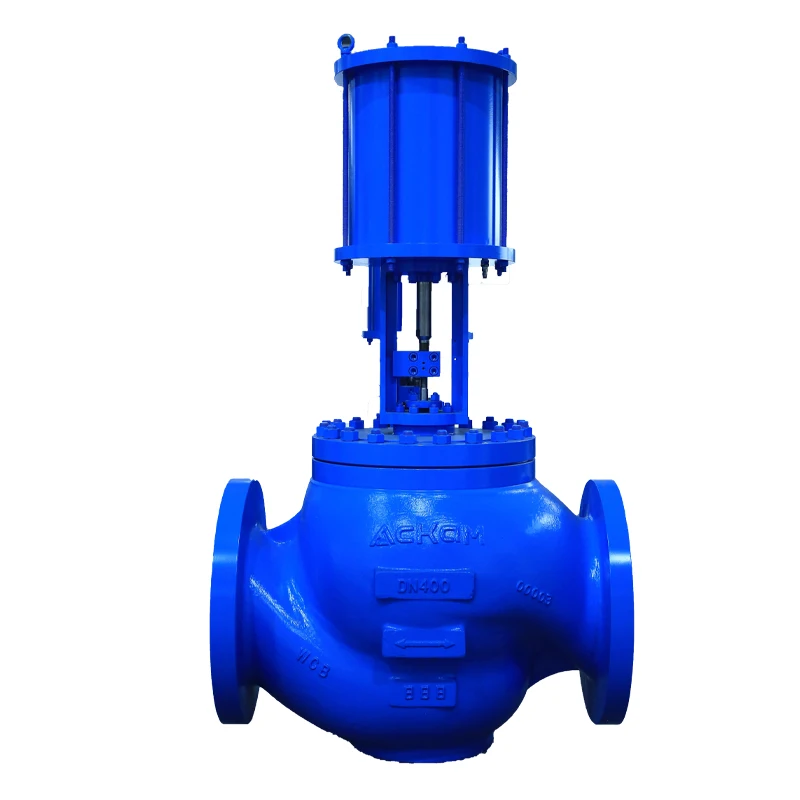
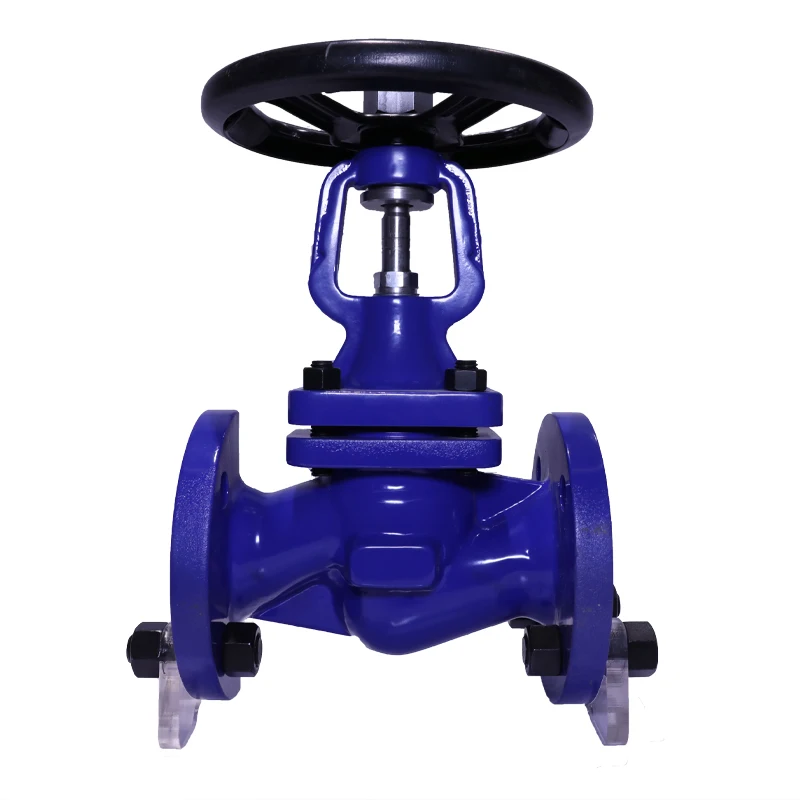
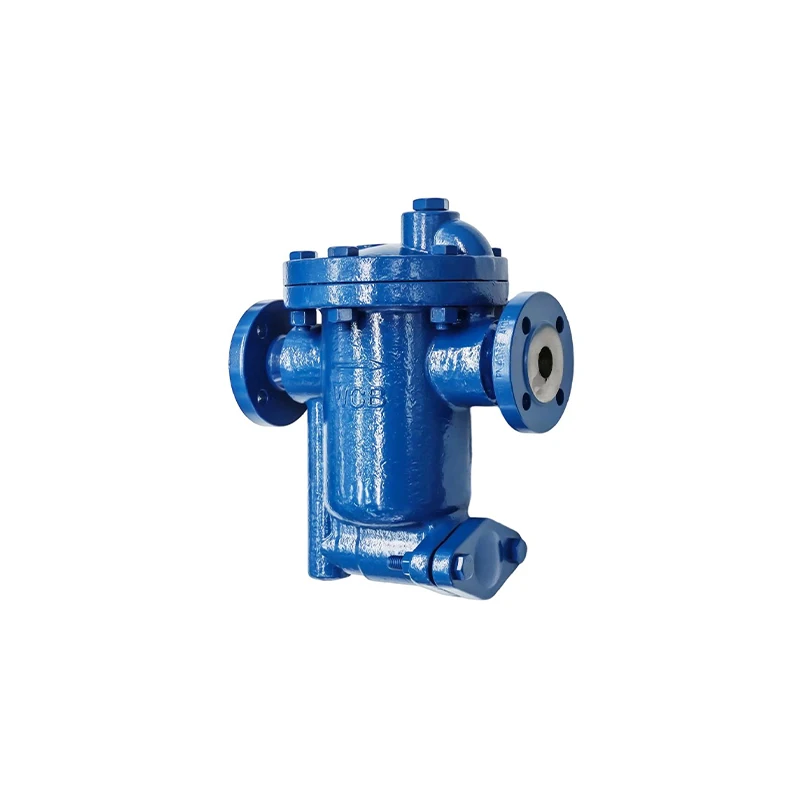
precise steam pressure control
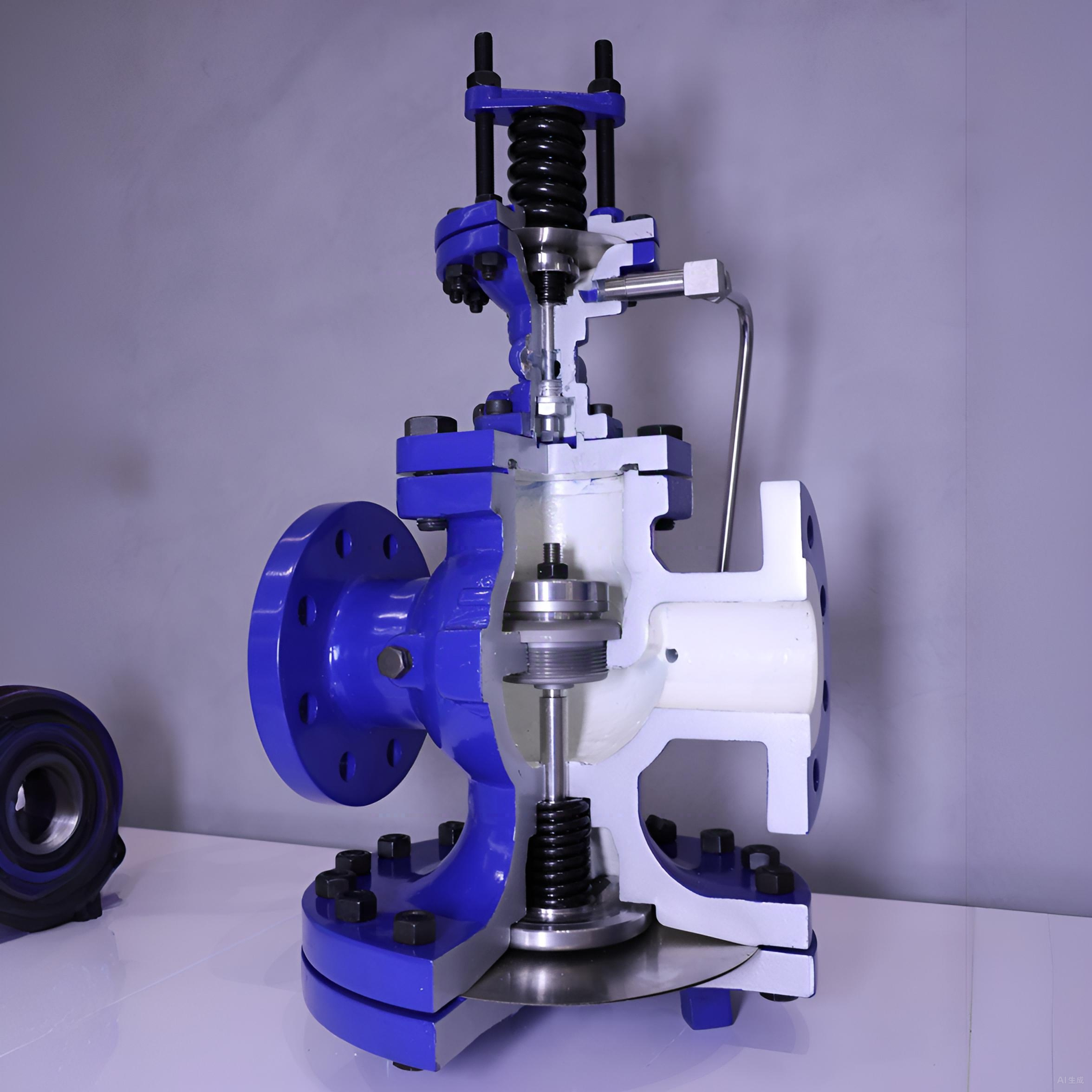
Precise steam pressure control represents a critical advancement in industrial automation technology, delivering unparalleled accuracy in managing steam systems across diverse manufacturing environments. This sophisticated control system maintains steam pressure within extremely tight tolerances, typically achieving accuracy levels of ±0.1% or better, ensuring optimal process conditions for demanding applications. The core functionality revolves around real-time monitoring and adjustment of steam flow rates, temperature parameters, and pressure levels through advanced sensor networks and intelligent feedback mechanisms. Modern precise steam pressure control systems integrate seamlessly with existing industrial infrastructure, utilizing cutting-edge digital controllers that process multiple input signals simultaneously. These systems employ proprietary algorithms that continuously analyze pressure variations, environmental conditions, and load demands to make instantaneous adjustments. The technological foundation includes high-precision pressure transducers, rapid-response control valves, and sophisticated PLC programming that enables microsecond-level response times. Key operational features encompass automatic setpoint adjustment, predictive maintenance capabilities, and comprehensive data logging for process optimization. The control architecture supports multiple communication protocols, enabling integration with SCADA systems, distributed control systems, and cloud-based monitoring platforms. Safety mechanisms include redundant pressure relief systems, emergency shutdown protocols, and fail-safe operations that protect equipment and personnel. Advanced precise steam pressure control systems feature adaptive learning capabilities that optimize performance based on historical data patterns and operational trends. Remote monitoring capabilities allow operators to oversee multiple installations from centralized control rooms, enhancing operational efficiency and reducing response times to system anomalies. The modular design philosophy ensures scalability from small laboratory applications to large industrial complexes, with customizable configurations that accommodate specific process requirements. Energy efficiency optimization algorithms reduce steam consumption while maintaining precise control parameters, contributing to sustainable manufacturing practices and operational cost reduction.