Professional Steam Distribution Station Solutions - Efficient Steam Management Systems

All Categories

Get a Free Quote

Our representative will contact you soon.
Email
Name
Company Name
Message
0/1000

steam distribution station

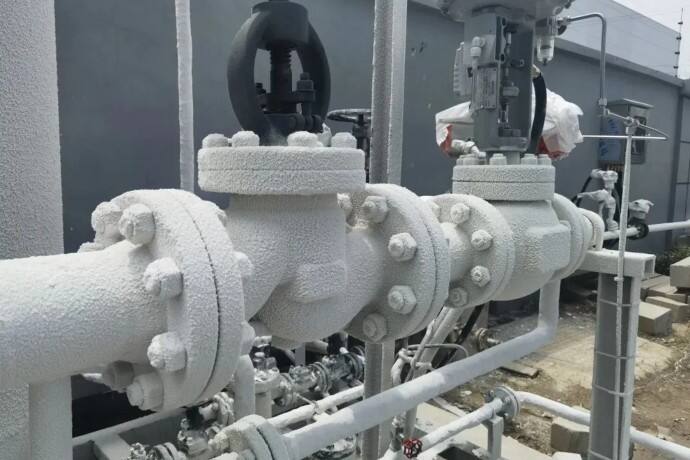
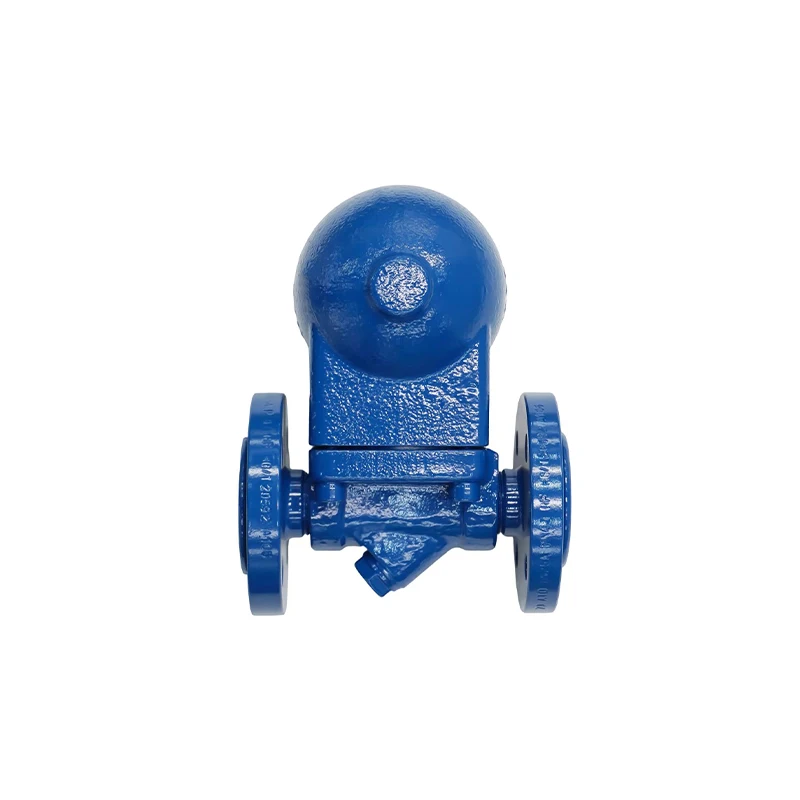
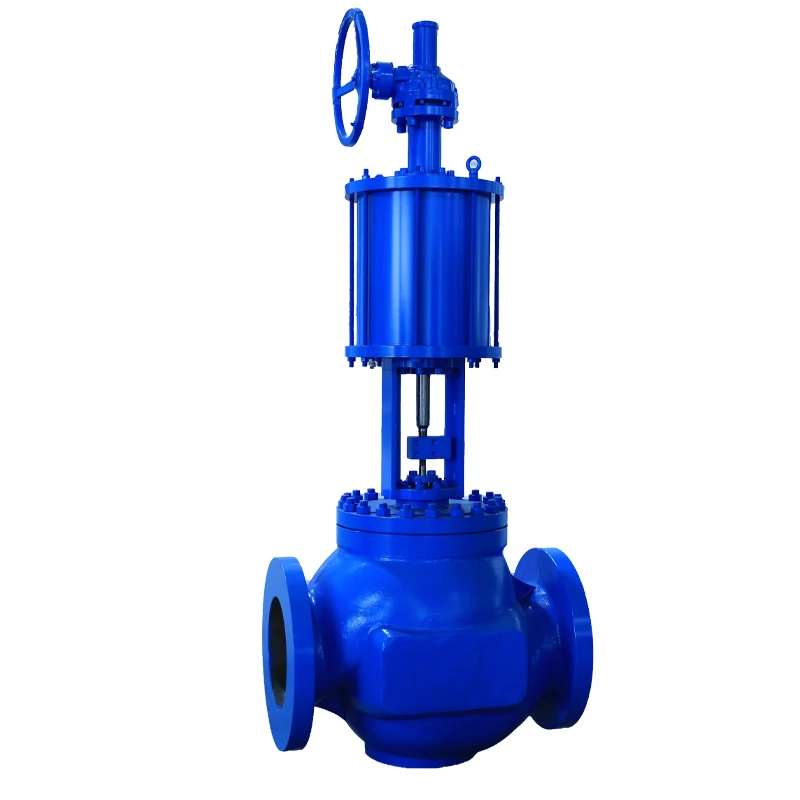
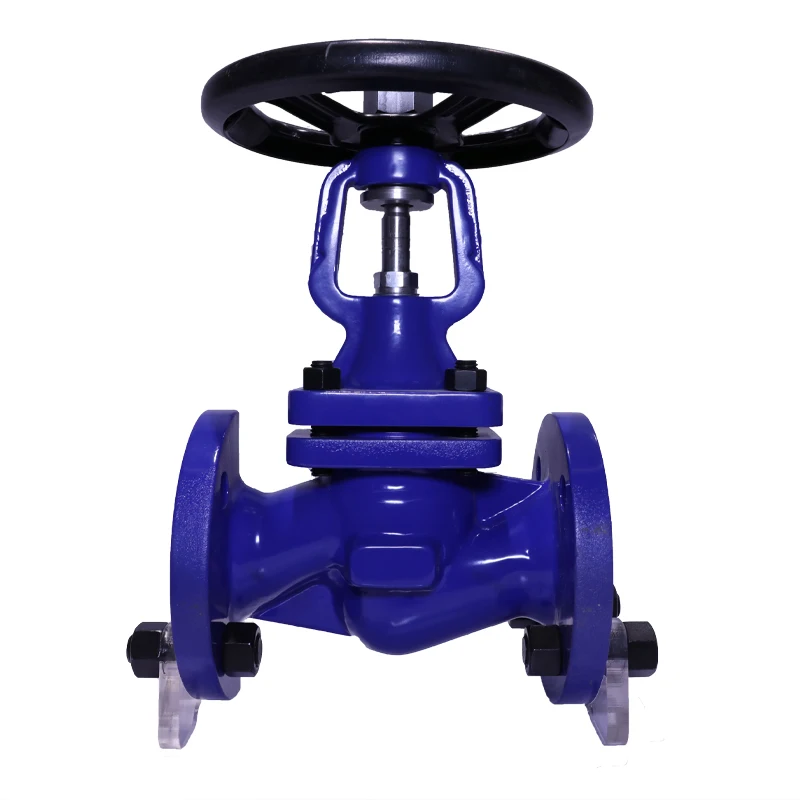
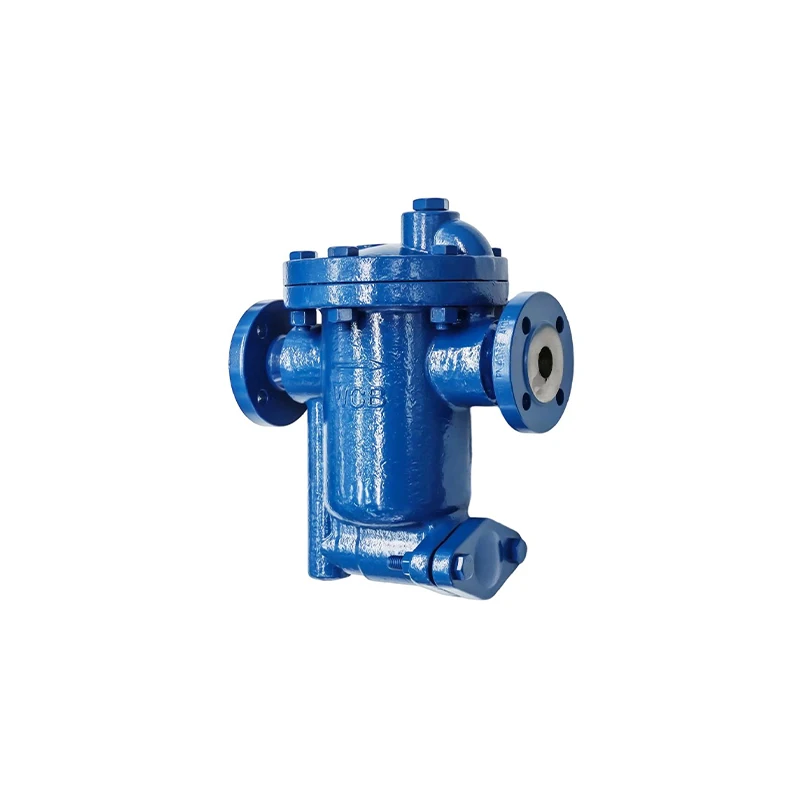
A steam distribution station serves as a critical infrastructure component that manages the controlled delivery of steam from central boilers to multiple end-use points throughout industrial facilities, commercial buildings, and district heating networks. This sophisticated system functions as the nerve center for steam management, ensuring reliable and efficient distribution while maintaining optimal pressure and temperature parameters across diverse applications. The primary function of a steam distribution station involves receiving high-pressure steam from generation sources and systematically reducing pressure through specialized valve assemblies, allowing for safe and controlled distribution to various consumption points. Modern steam distribution stations incorporate advanced pressure reduction valves, temperature monitoring systems, and automated control mechanisms that continuously adjust flow rates based on real-time demand fluctuations. These stations feature robust pipeline networks constructed from high-grade materials capable of withstanding extreme thermal conditions and pressure variations. The technological architecture includes sophisticated metering systems that track steam consumption patterns, enabling facility managers to optimize energy usage and identify potential inefficiencies. Steam distribution stations utilize state-of-the-art insulation technologies to minimize heat loss during transport, ensuring maximum energy efficiency throughout the distribution network. Safety mechanisms integrated within these systems include emergency shut-off valves, pressure relief devices, and leak detection systems that protect personnel and equipment from potential hazards. The control systems employ digital sensors and programmable logic controllers that provide real-time monitoring and remote operation capabilities. Applications for steam distribution stations span numerous industries including manufacturing plants, hospitals, universities, food processing facilities, pharmaceutical companies, and textile operations. These installations prove essential in district heating systems where centralized steam generation serves multiple buildings within urban environments. The modular design of contemporary steam distribution stations allows for scalable expansion as facility requirements evolve, making them adaptable to changing operational demands while maintaining consistent performance standards across all connected systems.
Popular Products

Steam distribution stations deliver exceptional operational efficiency by centralizing steam management and eliminating the need for multiple individual boiler systems throughout large facilities. This centralized approach reduces capital expenditure significantly while streamlining maintenance requirements and operational complexity. The system provides precise temperature and pressure control, ensuring consistent steam quality delivered to all end-use applications regardless of distance from the generation source. Energy conservation represents a major advantage, as modern steam distribution stations incorporate heat recovery systems that capture condensate and return it to boilers, reducing fuel consumption and water treatment costs. The automated control capabilities enable facility operators to monitor and adjust steam flow remotely, reducing labor requirements while improving response times to changing demand patterns. Safety enhancements built into steam distribution stations protect workers and equipment through comprehensive monitoring systems that detect pressure anomalies, temperature fluctuations, and potential leaks before they become hazardous. Maintenance costs decrease substantially compared to distributed boiler systems, as technicians can focus their expertise on a centralized location rather than servicing equipment scattered throughout the facility. The standardized components used in steam distribution stations simplify spare parts inventory management and reduce procurement complexities. Environmental benefits include reduced emissions through optimized combustion efficiency and better fuel utilization rates achieved through centralized generation and distribution. Reliability improves dramatically as redundant systems and backup components ensure continuous steam supply even during maintenance periods or equipment failures. The scalable design allows facilities to expand their steam capacity incrementally without major infrastructure overhauls, providing flexibility for future growth. Cost predictability becomes easier to achieve as operators gain better visibility into steam consumption patterns and can implement more effective budgeting strategies. Quality assurance improves through consistent steam parameters delivered to all applications, eliminating variations that could affect product quality or process efficiency. The professional installation and commissioning of steam distribution stations ensures optimal performance from day one, while ongoing technical support provides long-term operational confidence for facility managers and engineering teams.

Tips And Tricks

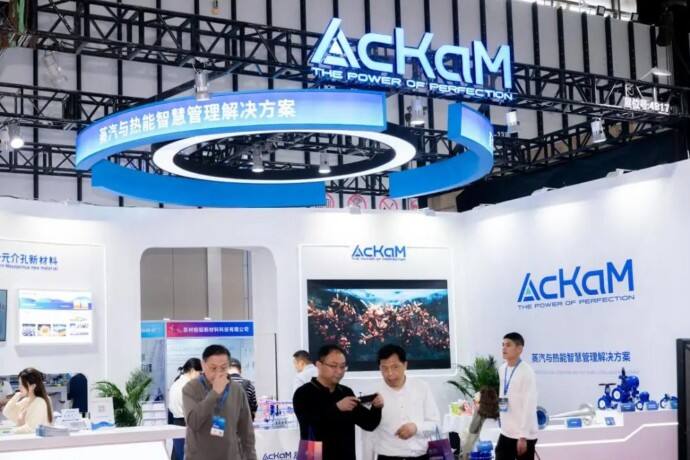
Soaring to New Heights: AcKaM Industrial Surges in Billion-Dollar Market with 200% H1 Sales Growth

04

Nov

Soaring to New Heights: AcKaM Industrial Surges in Billion-Dollar Market with 200% H1 Sales Growth

View More
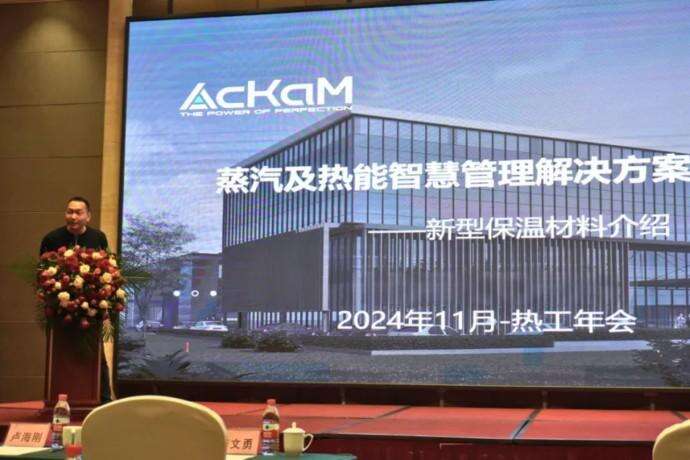
Innovation in Thermal Insulation Technology! AcKaM Delivers Keynote Speech at 2024 National Thermal Engineering Conference

05

Nov

Innovation in Thermal Insulation Technology! AcKaM Delivers Keynote Speech at 2024 National Thermal Engineering Conference

View More
AcKaM: Riding the Trillion-Yuan Wave to Pioneer Innovation

04

Nov

AcKaM: Riding the Trillion-Yuan Wave to Pioneer Innovation

View More

Get a Free Quote

Our representative will contact you soon.
Email
Name
Company Name
Message
0/1000

steam distribution station

Advanced Pressure Management and Control Systems

Advanced Pressure Management and Control Systems

The sophisticated pressure management system represents the cornerstone of any high-performance steam distribution station, delivering unparalleled control over steam parameters throughout the entire distribution network. This advanced technology employs precision-engineered pressure reducing valves that automatically adjust to maintain consistent downstream pressure regardless of upstream fluctuations or varying demand conditions. The control system integrates multiple sensors positioned strategically throughout the distribution network, continuously monitoring pressure levels and making real-time adjustments to ensure optimal performance. These intelligent systems prevent pressure spikes that could damage sensitive equipment while maintaining sufficient pressure to meet peak demand requirements. The pressure management technology includes sophisticated algorithms that predict demand patterns based on historical data and current operational conditions, enabling proactive adjustments that enhance system stability and efficiency. Multi-stage pressure reduction capabilities allow the steam distribution station to serve applications requiring different pressure levels simultaneously, eliminating the need for separate pressure reduction equipment at individual consumption points. The control interface provides operators with comprehensive dashboards displaying real-time pressure readings, flow rates, and system status information, enabling informed decision-making and rapid response to changing conditions. Emergency pressure relief mechanisms protect the entire system from potentially dangerous overpressure situations, automatically venting excess pressure while maintaining safe operating conditions. The modular design of the pressure management system allows for easy expansion and modification as facility requirements change, ensuring long-term adaptability and value retention. Advanced diagnostic capabilities continuously monitor valve performance and predict maintenance requirements, reducing unexpected downtime and extending equipment lifespan. The pressure control system integrates seamlessly with building management systems, providing facility operators with centralized monitoring and control capabilities that improve operational efficiency and reduce staffing requirements.
Energy Efficiency and Heat Recovery Technology

Energy Efficiency and Heat Recovery Technology

Modern steam distribution stations incorporate cutting-edge energy efficiency technologies that dramatically reduce operational costs while minimizing environmental impact through optimized resource utilization. The integrated heat recovery system captures thermal energy from condensate return lines, preheating boiler feedwater and reducing fuel consumption by up to thirty percent compared to conventional systems. Advanced insulation materials and techniques minimize heat loss throughout the distribution network, ensuring maximum energy reaches end-use applications rather than being wasted to the surrounding environment. The condensate recovery system employs sophisticated pumps and heat exchangers that return valuable thermal energy to the generation source, creating a closed-loop system that maximizes energy efficiency while reducing water treatment requirements. Smart control algorithms continuously optimize steam flow patterns based on real-time demand data, eliminating energy waste associated with oversupply conditions and reducing unnecessary fuel consumption. The energy management system provides detailed consumption analytics that help facility managers identify optimization opportunities and track energy savings over time. Variable frequency drives on pump motors and fan systems adjust operational speeds based on actual demand, reducing electrical consumption during low-demand periods while maintaining full capacity when needed. The thermal efficiency monitoring system continuously tracks energy performance and alerts operators to potential inefficiencies, enabling proactive maintenance that preserves optimal performance levels. Heat exchanger technologies integrated within the steam distribution station maximize thermal transfer efficiency while minimizing maintenance requirements through advanced materials and design features. The energy recovery capabilities extend beyond condensate management to include waste heat capture from various processes, creating additional opportunities for energy savings and improved overall facility efficiency. Automated optimization features continuously adjust system parameters to maintain peak efficiency regardless of changing operational conditions, ensuring consistent energy performance throughout varying demand cycles and seasonal fluctuations.
Comprehensive Safety and Monitoring Infrastructure

Comprehensive Safety and Monitoring Infrastructure

The robust safety and monitoring infrastructure integrated within modern steam distribution stations provides comprehensive protection for personnel, equipment, and facilities through multiple layers of advanced safety systems and real-time monitoring capabilities. The multi-sensor monitoring network continuously tracks critical parameters including temperature, pressure, flow rates, and steam quality throughout the entire distribution system, providing early warning of potential issues before they develop into safety hazards. Automated emergency shutdown systems respond instantaneously to dangerous conditions, isolating affected sections while maintaining steam supply to unaffected areas, minimizing operational disruption while ensuring personnel safety. The leak detection system employs advanced sensing technologies that identify steam leaks at their earliest stages, preventing energy waste and eliminating potential safety risks associated with high-temperature steam exposure. Redundant safety systems ensure continued protection even if primary safety components experience failures, providing multiple backup layers that maintain safe operating conditions under all circumstances. The comprehensive alarm system provides both local and remote notifications of safety conditions, enabling rapid response from maintenance personnel and facility operators regardless of their location within the facility. Fire suppression systems specifically designed for steam applications provide specialized protection for equipment and surrounding areas, utilizing appropriate suppression agents that effectively address steam-related fire risks. The safety monitoring system integrates with facility emergency response procedures, automatically notifying emergency personnel and initiating appropriate response protocols during serious safety events. Personnel access controls prevent unauthorized individuals from entering potentially dangerous areas while ensuring trained personnel can quickly access equipment during emergency situations. The monitoring infrastructure includes predictive maintenance capabilities that identify potential equipment failures before they occur, preventing safety incidents while optimizing maintenance scheduling and reducing operational disruptions. Safety training integration provides facility personnel with real-time safety information and guidance through digital displays and mobile applications, ensuring everyone remains informed about current safety conditions and proper emergency procedures throughout their work activities.

Get a Free Quote

Our representative will contact you soon.
Email
Name
Company Name
Message
0/1000