pressure reducing valve for irrigation system
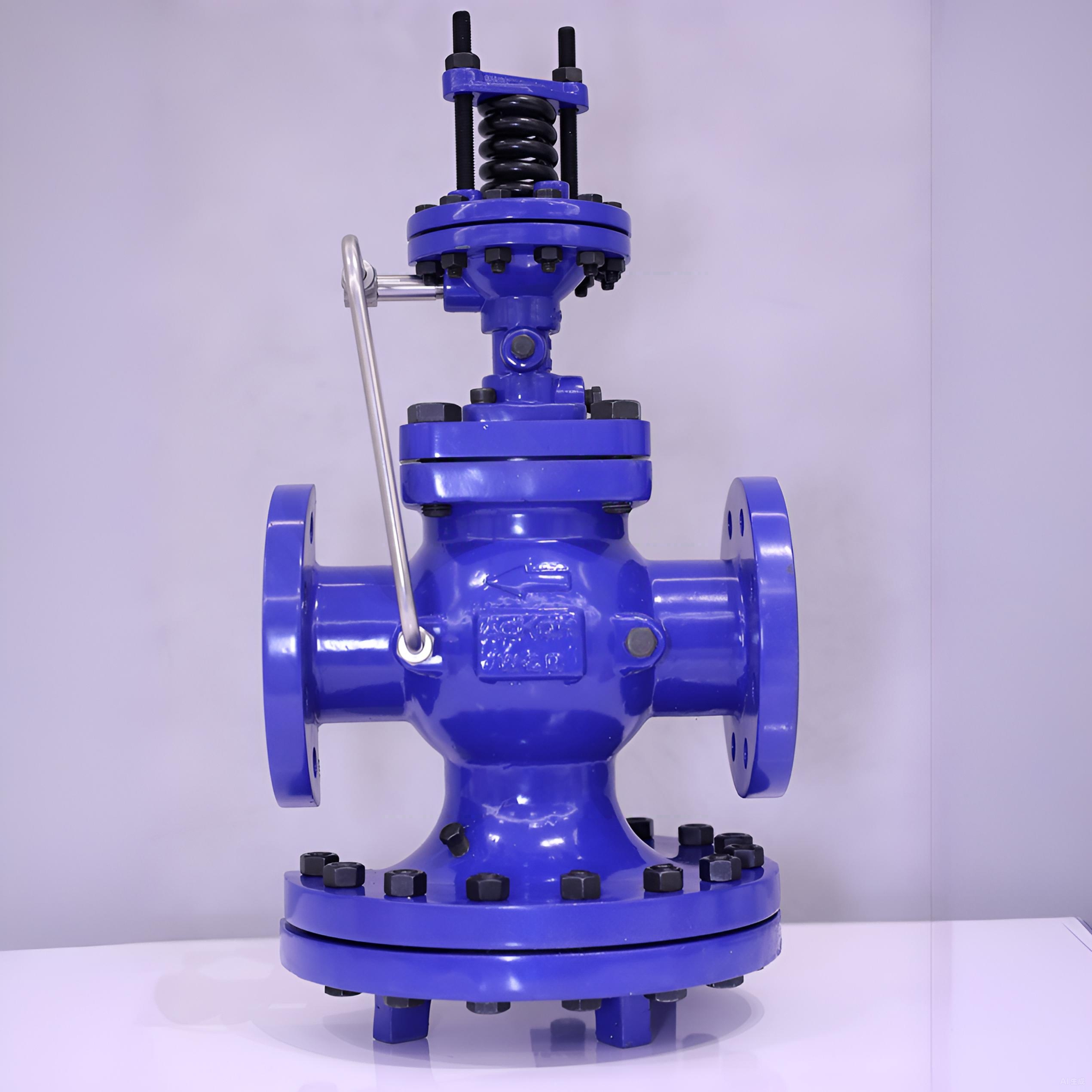
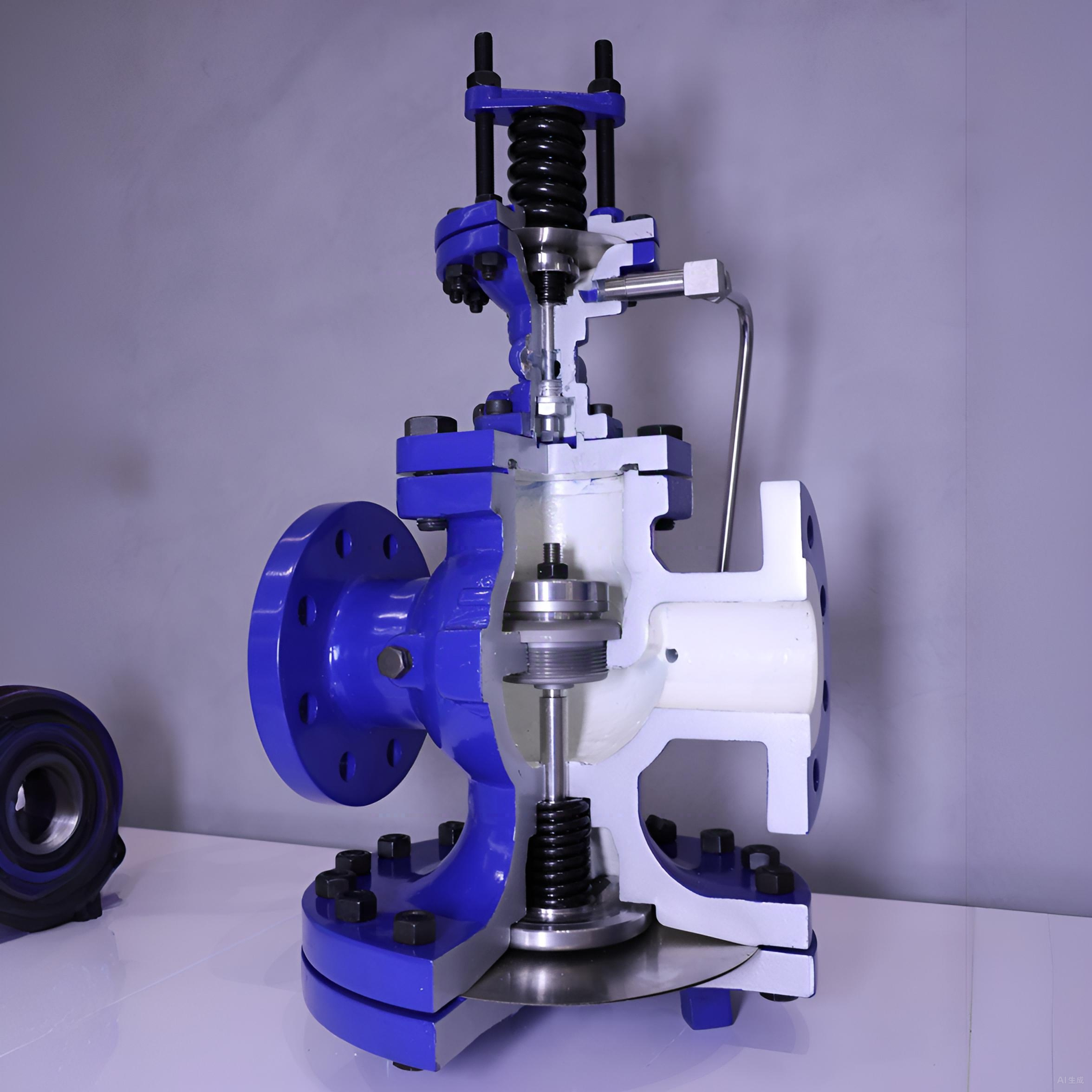
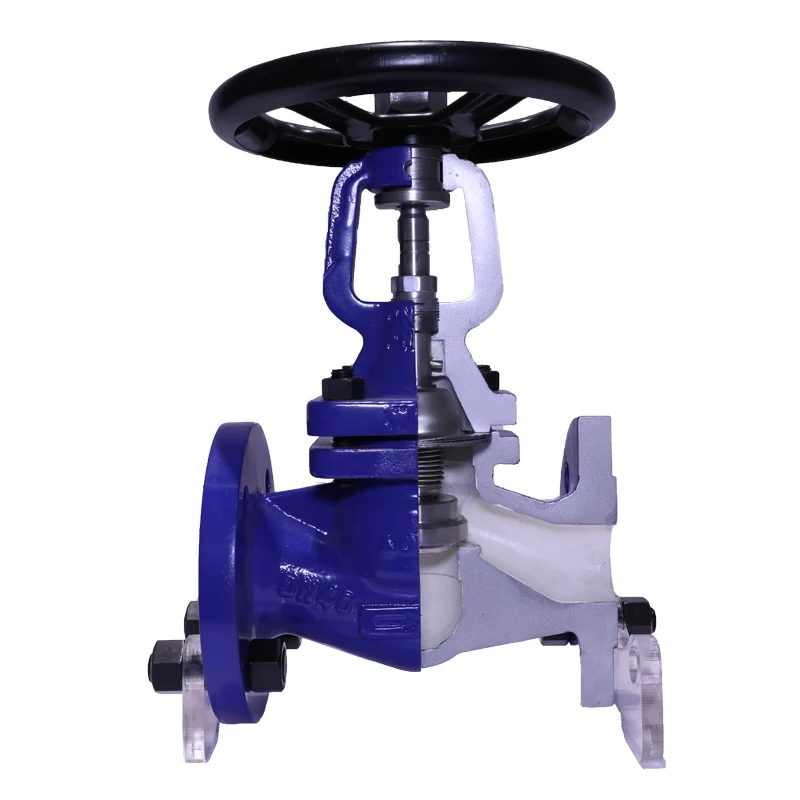
A pressure reducing valve for irrigation system is an essential component that regulates and maintains optimal water pressure throughout agricultural and landscaping applications. This specialized device automatically reduces incoming high water pressure to a preset, lower pressure level, ensuring consistent and controlled water distribution across irrigation networks. The pressure reducing valve for irrigation system operates through a spring-loaded diaphragm mechanism that responds to downstream pressure changes, opening and closing to maintain steady output pressure regardless of fluctuations in supply pressure or flow demands. Modern pressure reducing valves incorporate advanced materials such as corrosion-resistant brass, stainless steel internals, and durable polymer components that withstand harsh outdoor conditions and chemical treatments commonly used in irrigation systems. These valves feature adjustable pressure settings, typically ranging from 10 to 75 PSI, allowing operators to customize water pressure according to specific crop requirements, soil conditions, and irrigation equipment specifications. The pressure reducing valve for irrigation system includes built-in filtration capabilities to prevent debris from interfering with valve operation, while pressure gauges provide real-time monitoring of system performance. Installation versatility allows these valves to be integrated into various irrigation configurations, including drip systems, sprinkler networks, and micro-irrigation setups. The valve's compact design facilitates easy maintenance access, while weatherproof housing protects internal components from environmental exposure. Advanced models feature flow control capabilities, enabling simultaneous pressure and flow rate management for enhanced irrigation efficiency. The pressure reducing valve for irrigation system contributes significantly to water conservation efforts by preventing over-pressurization that leads to excessive water waste, equipment damage, and uneven distribution patterns that compromise crop health and yield optimization.